
How to Heal My Lungs After Quitting Smoking: Effective Tips and Strategies
Understanding the Impact of Smoking on Your Lungs
Quitting smoking is a monumental step towards improving your health. However, the journey doesn't end there. Many former smokers are often left wondering how to heal their lungs after years of smoking. The good news is, your lungs have an incredible capacity for self-repair. Here's a guide to help you on your path to lung healing.
The Healing Process
1. Time is on Your Side
The healing process can vary from person to person, but it's important to remember that time is on your side. According to the American Lung Association, it can take up to 10 years for your lungs to recover from the damage caused by smoking.
2. Monitor Your Progress
Regular check-ups with your healthcare provider can help you monitor your lung function and overall health progress. It's also beneficial to keep track of any changes in symptoms or breathing patterns.
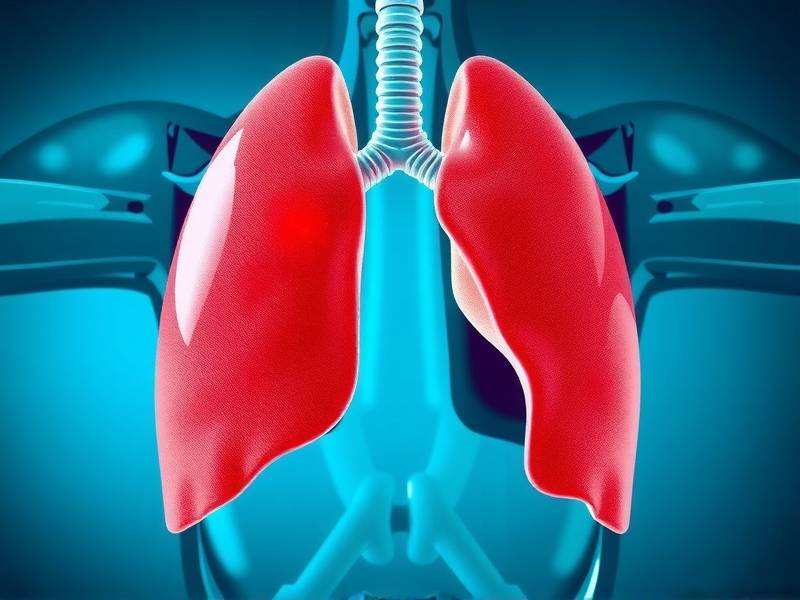
Effective Tips for Lung Healing
1. Deep Breathing Exercises
Deep breathing exercises can help improve lung capacity and reduce shortness of breath. Practices like pranayama (a form of yoga breathing) or simple deep belly breathing can be effective.
2. Increase Physical Activity
Regular physical activity not only helps with weight management but also strengthens the respiratory system. Start with low-impact exercises like walking or swimming and gradually increase intensity as tolerated.
3. Stay Hydrated
Drinking plenty of water helps keep the mucus in your lungs thin, making it easier for you to cough it up and clear out the lungs.
4. Avoid Exposure to Air Pollutants
Secondhand smoke, dust, and other air pollutants can further damage your lungs. Try to minimize exposure by avoiding smoky environments and wearing masks when necessary.
Strategies for Long-Term Lung Health
1. Maintain a Healthy Diet
A balanced diet rich in fruits, vegetables, lean proteins, and whole grains can provide essential nutrients that support lung health.
2. Consider Supplements
Vitamin D and antioxidants such as vitamin C and beta-carotene may help protect against further lung damage. Consult with a healthcare provider before starting any new supplement regimen.
3. Stay Positive
Emotional well-being plays a significant role in recovery from smoking-related conditions. Surround yourself with supportive friends and family members who encourage you on your journey.
Conclusion
Healing your lungs after quitting smoking is a gradual process that requires patience, dedication, and a holistic approach to health and wellness. By incorporating these tips into your daily routine, you'll be well on your way to restoring lung function and improving overall quality of life.
Remember, every puff counts – both while you're smoking and in the aftermath as you work towards healthier lungs. Take each day as an opportunity for improvement, and celebrate even small victories along the way.
By following these strategies, you're not only taking care of yourself but also setting an example for others looking to quit smoking or improve their lung health after quitting.
Stay committed, stay informed, and above all else – stay hopeful!