
Why Don't People Quit Smoking? The Truth Behind the Habit
Introduction: The Compelling Nature of Smoking
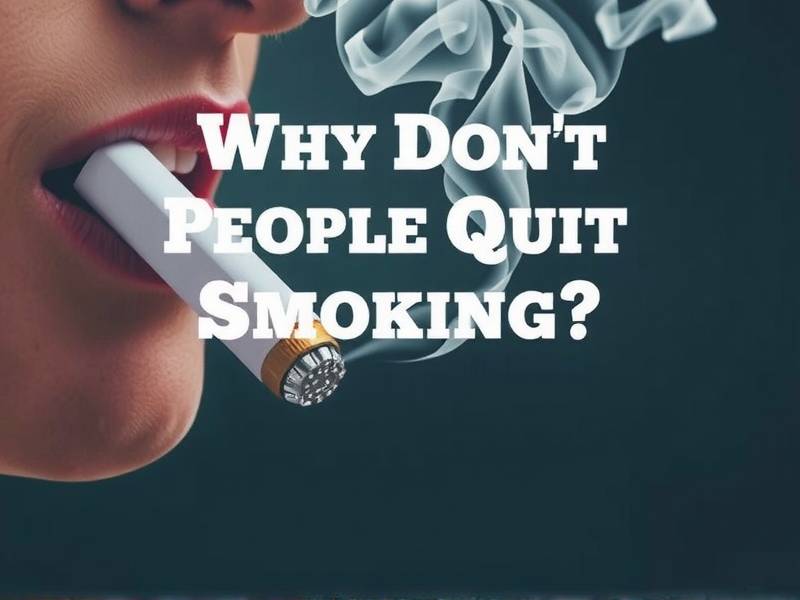
Smoking has been a deeply ingrained habit across cultures for centuries. Despite the overwhelming evidence linking it to numerous health issues, millions of people continue to smoke. But why? This article delves into the psychological, social, and physiological factors that make quitting smoking such a challenging endeavor.
Psychological Barriers: The Power of Habit and Emotional Attachments
The Habitual Nature of Smoking
One of the primary reasons why people struggle to quit smoking is the habit itself. Smoking has become an ingrained part of daily life for many, often associated with specific activities or emotional states. This habitual nature makes it difficult for individuals to break the cycle without significant effort.
Emotional Attachments and Cravings
Emotional attachments to smoking are another significant barrier. For many, smoking serves as a coping mechanism for stress, anxiety, or boredom. Breaking this association can be emotionally challenging and may require alternative strategies to manage these emotions effectively.
Social Factors: Peer Pressure and Social Norms
Peer Influence
Peer pressure plays a significant role in maintaining the habit. For those who smoke due to social influence or as a part of a group identity, quitting can feel like losing an essential aspect of their social life.

Social Norms and Stigma
Social norms also contribute to the persistence of smoking habits. In some communities, smoking is seen as a rite of passage or a symbol of adulthood. Additionally, stigma against non-smokers can make individuals feel alienated if they choose to quit.
Physiological Dependence: The Role of Nicotine Addiction
Nicotine's Impact on the Brain
Nicotine is highly addictive due to its effect on the brain's reward system. When smoked, nicotine creates a sense of relaxation and pleasure by increasing levels of dopamine in the brain. This physiological dependence makes it incredibly challenging for smokers to quit without experiencing withdrawal symptoms.
Withdrawal Symptoms and Relapse Risk
Withdrawal symptoms such as irritability, anxiety, and cravings can be severe enough to lead individuals back to smoking even after they have made a conscious decision to quit. This vulnerability increases the risk of relapse.
Strategies for Quitting Smoking: Overcoming Challenges
Identifying Triggers and Developing Coping Mechanisms
One effective strategy for quitting smoking is identifying triggers that lead to cravings and developing alternative coping mechanisms. This could include exercise, meditation, or engaging in hobbies that provide emotional fulfillment.
Seeking Support from Friends, Family, or Professionals
Quitting smoking is often easier when supported by loved ones or professionals who can offer encouragement and guidance throughout the process.
Utilizing戒烟辅助工具和药物
Numerous戒烟辅助 tools and medications are available to help mitigate withdrawal symptoms and increase success rates. These include nicotine replacement therapy (NRT), prescription medications like bupropion (Zyban) or varenicline (Chantix), and non-nicotine medications like clonidine or nortriptyline.
Conclusion: Embracing Change for a Healthier Future
While quitting smoking remains a significant challenge for many individuals due to various factors such as psychological barriers, social influences, and physiological dependence on nicotine, it is not impossible. By understanding these challenges and adopting effective strategies for overcoming them, smokers can take steps toward breaking free from this harmful habit and embracing a healthier future.