
Can Quitting Smoking Really Be Dangerous? The Truth You Need to Know
Can Quitting Smoking Really Be Dangerous? The Truth You Need to Know
Introduction: The idea that quitting smoking can be dangerous might seem counterintuitive. After all, we're often told that smoking is harmful and quitting is beneficial. However, the journey to a smoke-free life can come with unexpected challenges. In this article, we'll delve into the truth behind the potential dangers of quitting smoking and provide you with the information you need to make an informed decision.
Understanding Nicotine Withdrawal

One of the most common reasons people believe quitting smoking can be dangerous is due to nicotine withdrawal. Nicotine is an addictive substance found in tobacco products, and when you stop using it, your body goes through a series of physical and psychological changes.
Physical Symptoms
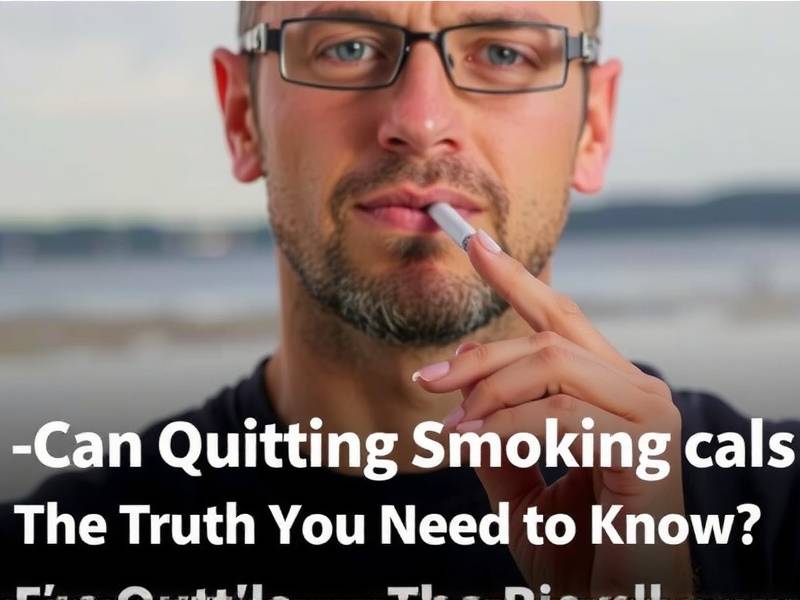
During nicotine withdrawal, you may experience a range of physical symptoms such as:
- Increased appetite
- Insomnia
- Irritability
- Anxiety
- Headaches
- Nausea
While these symptoms can be uncomfortable, they are typically short-lived and your body will eventually adjust to the absence of nicotine.
Psychological Symptoms
Nicotine also affects the brain's reward system, making it difficult for smokers to cope without it. This can lead to psychological symptoms such as:
- Cravings for cigarettes
- Feelings of frustration or irritability
- Difficulty concentrating
These psychological symptoms can be more challenging than the physical ones but are also temporary.
The Risk of Relapse
Another concern when it comes to quitting smoking is the risk of relapse. It's not uncommon for individuals to experience cravings or triggers that lead them back to smoking. However, relapse does not mean that quitting was dangerous; rather, it's a reminder that breaking a habit like smoking requires patience and persistence.
The Benefits of Quitting Smoking
Despite these challenges, there are numerous benefits associated with quitting smoking:
- Reduced risk of heart disease, stroke, and lung cancer
- Improved lung function and overall respiratory health
- Enhanced sense of taste and smell
- Lowered risk of developing various types of cancer
Professional Support Can Make a Difference
If you're considering quitting smoking, seeking professional support can make a significant difference. Therapy, support groups, and prescription medications can help alleviate withdrawal symptoms and increase your chances of success.
Conclusion:
While it's true that quitting smoking can come with some challenges, the dangers associated with continued smoking far outweigh any risks associated with withdrawal. By understanding these risks and seeking professional support when needed, you can embark on your journey to a smoke-free life with confidence. Remember that every attempt at quitting brings you one step closer to achieving your goal – a healthier future.