
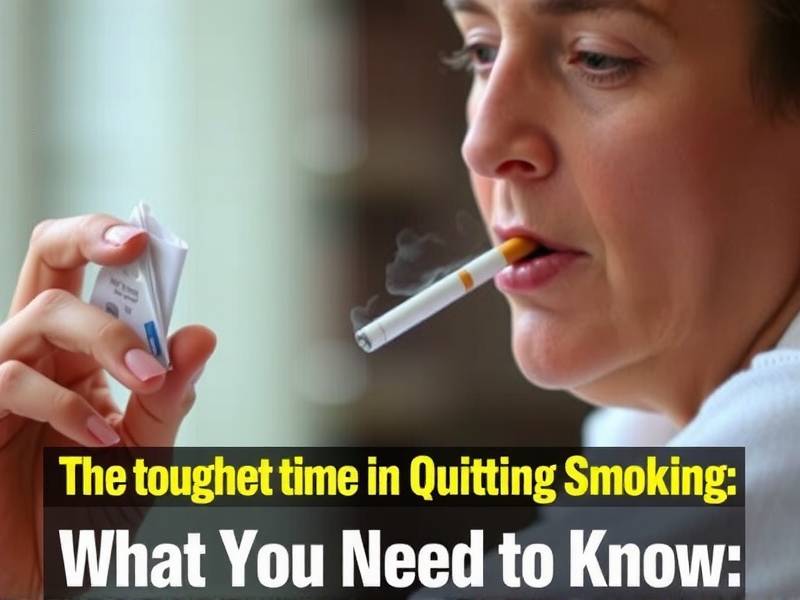
The toughest Time in Quitting Smoking: What You Need to Know
The Toughest Time in Quitting Smoking: What You Need to Know
Understanding the Withdrawal Process
Quitting smoking is a challenging endeavor, often fraught with physical and psychological hurdles. The toughest time in quitting smoking typically occurs during the initial stages of withdrawal. This period is marked by intense cravings, irritability, and a general sense of discomfort. Understanding what to expect can help you navigate this challenging phase more effectively.
The Physical Aspects of Withdrawal
One of the primary reasons why the early days of quitting smoking are so difficult is the physical withdrawal symptoms. These symptoms include:
- Nicotine Withdrawal: Nicotine is an addictive substance that affects your brain's reward system. When you stop smoking, your body goes into withdrawal, leading to cravings and discomfort.
- Increased Appetite: Many people experience an increase in appetite when they quit smoking. This can lead to weight gain, which can be discouraging.
- Sleep Disruption: Smoking can affect your sleep patterns. Quitting may initially disrupt your sleep further.
The Psychological Challenges
The psychological aspects of quitting smoking are equally challenging:
- Cravings: Cravings for nicotine are powerful and can be overwhelming. They often occur at predictable times, such as when you would normally smoke.
- Irritability and Anxiety: Without nicotine's calming effect, you may feel more irritable or anxious.
- Coping with Stress: Smoking is often a coping mechanism for stress. Finding alternative ways to manage stress is crucial.
Strategies for Navigating the Toughest Time
To help manage the toughest time in quitting smoking, consider these strategies:

1. Identify Triggers and Plan Ahead
Identify situations or triggers that make you want to smoke and plan how to cope with them. For example, if you usually smoke while drinking coffee, find a substitute activity or snack.
2. Use Nicotine Replacement Therapy (NRT)
NRT products like gum, patches, lozenges, inhalers, or nasal sprays can help alleviate withdrawal symptoms by delivering nicotine in controlled doses.
3. Seek Support
Joining a support group or finding an accountability partner can provide emotional support and encouragement during this challenging time.
4. Practice Relaxation Techniques
Techniques such as deep breathing exercises, meditation, or yoga can help reduce stress and anxiety.
5. Stay Hydrated and Eat Healthily
Drinking plenty of water and eating nutritious foods can help alleviate some withdrawal symptoms and improve overall well-being.
Long-Term Success: Patience and Persistence
Remember that quitting smoking is a process that requires patience and persistence. The toughest time will pass eventually, but it's essential to stay committed to your goal.
Quitting smoking is one of the best decisions you can make for your health. By understanding what to expect during the toughest time in quitting smoking and employing effective strategies for managing withdrawal symptoms, you increase your chances of long-term success.
Stay strong; every day without a cigarette brings you one step closer to being smoke-free!