
How to Help the Elderly Breathe Better After Quitting Smoking
Understanding the Challenge
As we age, our respiratory health becomes increasingly vulnerable. For the elderly who have been smokers, the transition to a smoke-free life can be a significant step towards improving their breathing. However, this journey is not without its challenges. This article aims to provide practical tips and insights on how to support the elderly in enhancing their respiratory health post-quitting smoking.
The Importance of Support
1. Empathy and Encouragement
The first step in helping the elderly breathe better after quitting smoking is to offer empathy and encouragement. Understand that withdrawal symptoms can be tough, and patience is key. Regularly remind them of the benefits of quitting, such as reduced risk of chronic obstructive pulmonary disease (COPD) and other respiratory issues.
Creating a Smoke-Free Environment
2. Eliminate Smoking Triggers
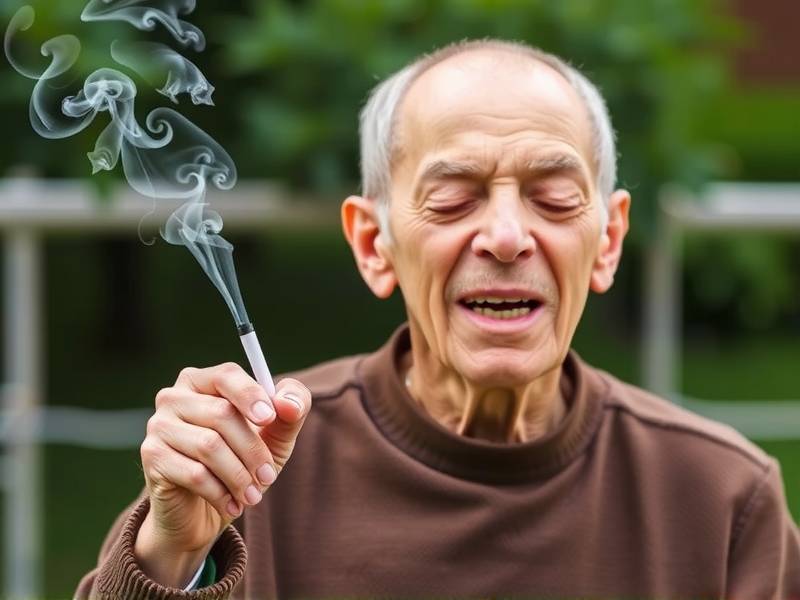
Identify and eliminate smoking triggers in their environment. This could mean removing ashtrays, avoiding smoking areas, or even rearranging furniture to minimize temptation.
3. Substitute Activities
Encourage the elderly to engage in new activities that can substitute smoking habits. Activities like gardening, walking, or joining a social group can help distract them from cravings.
Lifestyle Adjustments
4. Regular Exercise
Physical activity is crucial for improving lung function. Encourage the elderly to incorporate regular exercise into their routine, such as walking, swimming, or yoga.
5. Healthy Diet
A balanced diet rich in fruits, vegetables, and lean proteins can support lung health. Educate them about foods that are beneficial for respiratory health.
Professional Support
6. Consult Healthcare Providers
It's essential for the elderly to consult with healthcare providers regularly to monitor their lung function and receive appropriate treatment if needed.
7. Pulmonary Rehabilitation Programs
Many communities offer pulmonary rehabilitation programs specifically designed for individuals looking to improve their lung function after quitting smoking. Encourage them to explore these options.
Emotional Well-being
8. Manage Stress Levels
Stress can exacerbate withdrawal symptoms and hinder the healing process of lungs post-quitting smoking. Teach relaxation techniques like deep breathing exercises or meditation.

9. Seek Support Groups
Support groups for ex-smokers can provide emotional support and practical advice from others who have gone through similar experiences.
Conclusion
Helping the elderly breathe better after quitting smoking is a compassionate endeavor that requires patience, understanding, and consistent support. By creating a supportive environment, encouraging lifestyle changes, seeking professional help when necessary, and managing emotional well-being effectively, you can significantly contribute to their improved quality of life post-quitting smoking.