How Long Does It Take for Lungs to Repair After Quitting Smoking?
The Journey to Lung Repair: How Long After Quitting Smoking?
Introduction: Quitting smoking is a significant step towards a healthier life. However, many smokers wonder about the timeline for lung repair after quitting. This article delves into the process of lung repair and provides insights into how long it takes for the lungs to heal after smoking cessation.
How Does Smoking Affect the Lungs? Smoking damages the delicate tissues of the lungs, leading to various respiratory problems. The primary concern is the accumulation of tar and other harmful substances that clog the airways, making it difficult for oxygen to reach the bloodstream.
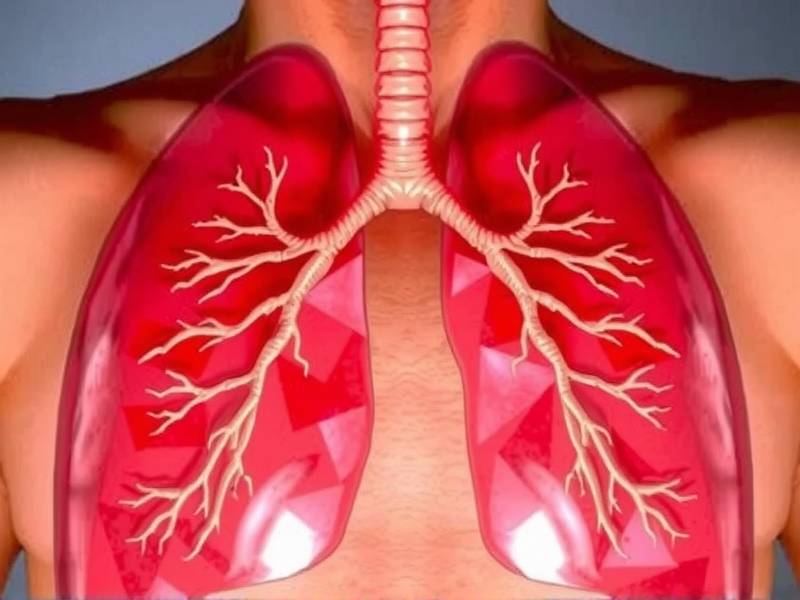
The Process of Lung Repair After Quitting Smoking
-
Immediate Benefits: Upon quitting smoking, your body begins its healing process almost immediately. Within hours, your blood pressure and heart rate start to normalize, and carbon monoxide levels decrease. Within a few days, your sense of smell and taste improve.
-
Short-term Improvements: In the first few weeks after quitting, your lungs start to clear out some of the accumulated tar and mucus. You may experience an increase in coughing as your body tries to expel these substances. However, this is a sign that your lungs are beginning to repair themselves.
-
Long-term Healing: The process of lung repair can take several years after quitting smoking. Here's a breakdown of what happens:
- Within one year: Your risk of heart disease decreases significantly.
- Within five years: Your risk of stroke drops by half.
- Within ten years: Your risk of cancer decreases by half.
- Within fifteen years: Your risk of lung cancer decreases by about 90%.
It's important to note that while these statistics provide a general timeline for lung repair, individual experiences may vary.
Factors Affecting Lung Repair Several factors can influence how quickly your lungs repair after quitting smoking:
- Age: Younger individuals tend to heal faster than older smokers.
- Duration and intensity of smoking: Longer and more intense smoking habits can lead to more severe damage.
- Genetic predisposition: Some people may have a higher susceptibility to lung damage due to genetics.
- Environmental factors: Exposure to secondhand smoke or air pollution can further impair lung function.
Conclusion: Quitting smoking is a crucial step towards improving lung health and reducing the risk of various diseases. While it may take several years for your lungs to fully repair after quitting, every day without smoking brings you closer to better health. Embrace this journey and celebrate each milestone along the way!