
Is It Okay to Vape While Quitting Smoking? A Comprehensive Guide
Is It Okay to Vape While Quitting Smoking? A Comprehensive Guide
Introduction: Quitting smoking is a significant step towards a healthier lifestyle, but the process can be challenging. With the rise of vaping, many smokers are considering using e-cigarettes as a tool to help them quit. But is it okay to vape while quitting smoking? This comprehensive guide will explore the benefits and risks of vaping during the quitting process, providing you with all the information you need to make an informed decision.
I. Understanding Vaping and Smoking

-
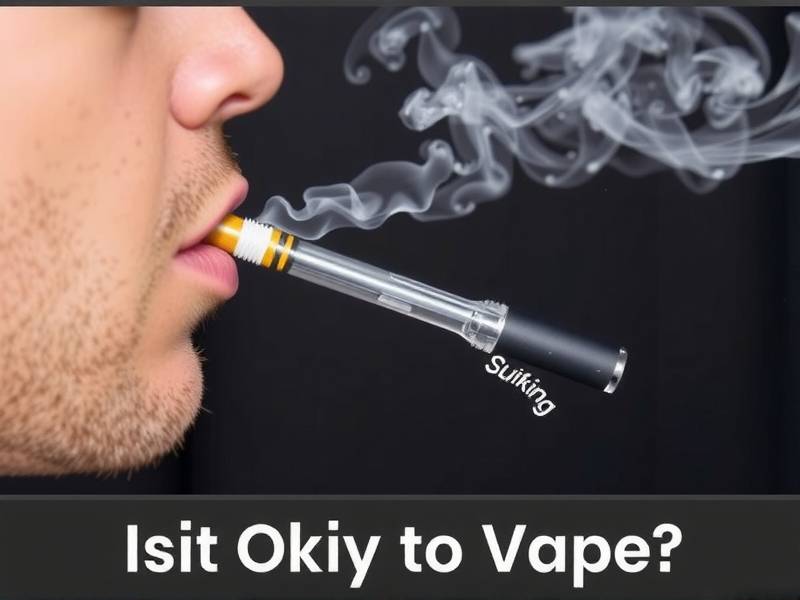
What is Vaping? Vaping involves inhaling vapor produced by an e-cigarette or other similar devices. The vapor typically contains nicotine, flavorings, and other chemicals.
-
What is Smoking? Smoking involves inhaling tobacco smoke, which contains thousands of harmful chemicals and carcinogens.
II. The Role of Nicotine in Quitting Smoking
-
Nicotine's Effects on the Brain Nicotine is highly addictive and affects the brain's reward system, leading to cravings and withdrawal symptoms when trying to quit smoking.
-
Using Nicotine Replacement Therapy (NRT) NRT products like gum, patches, lozenges, and inhalers provide controlled doses of nicotine without the harmful effects of tobacco smoke.
III. Benefits of Vaping During Quitting Smoking
-
Gradual Reduction in Nicotine Intake Vaping allows smokers to gradually reduce their nicotine intake while still experiencing satisfaction from the act of smoking.
-
Simulating the Smoking Experience Vaping can mimic some aspects of traditional smoking, such as hand-to-mouth movement and visual appeal, which may help ease withdrawal symptoms.
IV. Risks and Concerns Associated with Vaping During Quitting Smoking
-
Unknown Long-term Health Effects While e-cigarettes are generally considered safer than traditional cigarettes, their long-term health effects are still being studied.
-
Potential for Relapse Using e-cigarettes during quitting may increase the risk of relapse into traditional smoking due to continued nicotine exposure.
V. Alternatives to Vaping for Quitting Smoking
-
Behavioral Therapies Cognitive-behavioral therapy (CBT) and other behavioral therapies can help smokers develop coping strategies for cravings and stress during quitting.
-
Prescription Medications Medications like varenicline (Chantix) or bupropion (Zyban) have been shown to increase quit rates when combined with behavioral support.
Conclusion: The decision to vape while quitting smoking depends on individual circumstances and preferences. While it may offer some benefits for certain smokers, it's essential to weigh the potential risks against these advantages before deciding whether it's right for you. Consult with healthcare professionals or addiction specialists for personalized advice on your quit journey.
Remember that quitting smoking is a significant achievement that deserves celebration regardless of whether you choose to vape or not. Stay focused on your goals and seek support from friends, family, or support groups as needed throughout your journey towards a smoke-free life.