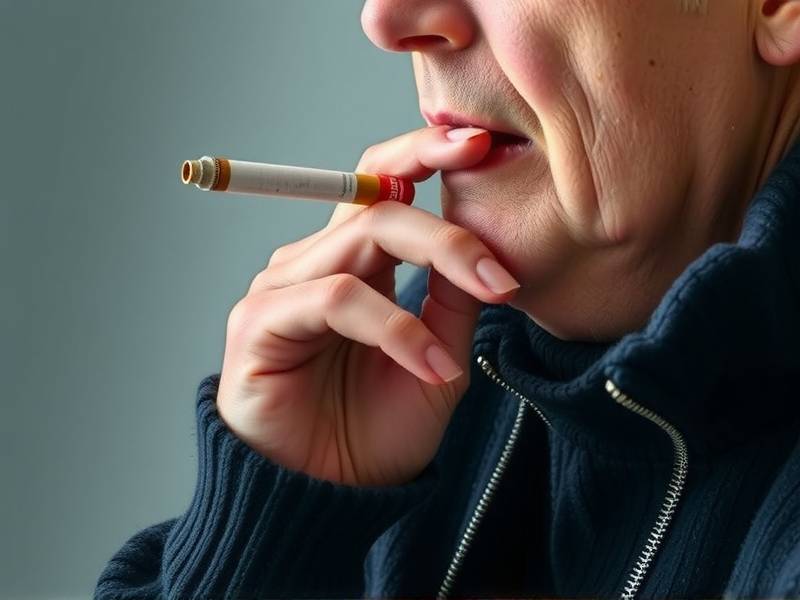
Does COPD Get Worse If You Quit Smoking? The Truth You Need to Know
Does COPD Get Worse If You Quit Smoking? The Truth You Need to Know
Introduction: Chronic Obstructive Pulmonary Disease (COPD) is a serious lung condition that affects millions of people worldwide. For those struggling with COPD, the question often arises: does quitting smoking make the condition worse? In this article, we delve into the truth behind this concern and provide you with valuable insights.
Understanding COPD and Smoking

COPD is a progressive lung disease characterized by chronic inflammation and narrowing of the airways. Smoking is the leading cause of COPD, accounting for approximately 80-90% of cases. When you smoke, harmful chemicals enter your lungs, leading to inflammation and damage over time.
The Benefits of Quitting Smoking
Contrary to popular belief, quitting smoking can significantly improve your COPD symptoms and overall health. Here are some key benefits:
- Reduced Inflammation: Quitting smoking helps reduce inflammation in the lungs, which can slow down the progression of COPD.
- Improved Breathing: As your lungs heal from the damage caused by smoking, you may notice an improvement in breathing.
- Increased Oxygen Levels: Smokers with COPD often have lower oxygen levels. Quitting smoking can help increase oxygen saturation in your blood.
- Enhanced Quality of Life: By quitting smoking, you can enjoy a better quality of life with reduced symptoms and fewer hospitalizations.
Will Quitting Make My COPD Worse?
The short answer is no. In fact, quitting smoking can help alleviate many symptoms associated with COPD. However, it's essential to understand that quitting may initially cause some withdrawal symptoms or exacerbations in your condition.
- Withdrawal Symptoms: As your body adjusts to not having nicotine, you may experience withdrawal symptoms such as irritability, anxiety, and cravings.
- Exacerbations: Some individuals may experience exacerbations shortly after quitting due to increased mucus production or changes in lung function.
It's crucial to consult with a healthcare professional for personalized advice on managing these symptoms during the quitting process.
Support and Resources
Quitting smoking is challenging; however, there are numerous resources available to help you succeed:
- Nicotine Replacement Therapy (NRT): NRT products like gum, patches, lozenges, or inhalers can help reduce withdrawal symptoms.
- Medications: Certain medications can help manage symptoms like shortness of breath and coughing.
- Support Groups: Joining a support group can provide emotional support and practical advice from others who have overcome similar challenges.
- Professional Help: A healthcare professional can guide you through the quitting process and offer tailored recommendations.
Conclusion:
In conclusion, quitting smoking is beneficial for individuals with COPD as it helps reduce inflammation and improve lung function over time. While there may be initial challenges or exacerbations after quitting, seeking support from healthcare professionals and utilizing available resources can make the process more manageable.
Remember that it's never too late to quit smoking and improve your health outcomes. Take control of your life today by making the decision to quit for a healthier tomorrow!