
Can Quitting Smoking Really Cause Stomach Cramps?
Can Quitting Smoking Really Cause Stomach Cramps?
Introduction: Quitting smoking is a significant step towards a healthier lifestyle, but the journey can sometimes be fraught with unexpected challenges. One common concern among smokers looking to quit is the possibility of experiencing stomach cramps. This article delves into this topic, exploring the relationship between quitting smoking and stomach cramps, and offering insights to help those considering a smoke-free life.
Understanding Stomach Cramps: A Common Symptom

Stomach cramps are not an uncommon symptom, and they can be caused by a variety of factors. These include dietary changes, stress, dehydration, and even certain medications. When it comes to quitting smoking, it's essential to understand that these cramps may be a result of the body's adjustment to life without nicotine.
The Role of Nicotine in Stomach Function
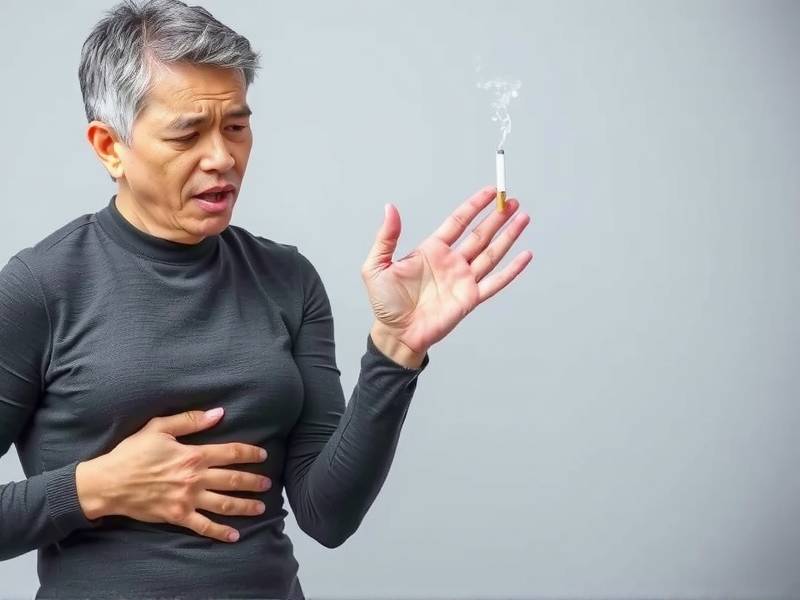
Nicotine, the primary addictive substance in cigarettes, affects various bodily functions. One such function is the regulation of stomach acid production and movement. When you quit smoking, your body starts to adjust to this change, which can sometimes lead to discomfort or cramping.
Common Causes of Stomach Cramps While Quitting Smoking
- Nicotine Withdrawal: As your body adjusts to lower levels of nicotine, it may experience withdrawal symptoms that can include stomach cramps.
- Dietary Changes: Smokers often experience changes in appetite and food preferences when they quit. This can lead to digestive issues and stomach cramps.
- Stress: Quitting smoking can be stressful for some individuals. Stress can exacerbate stomach problems.
- Dehydration: Nicotine acts as a diuretic, so you may need to drink more water when you quit. Dehydration can contribute to stomach discomfort.
Managing Stomach Cramps During Quitting Smoking
If you're experiencing stomach cramps while trying to quit smoking, here are some strategies that might help:
- Stay Hydrated: Drink plenty of water throughout the day.
- Eat Small Meals: Eating smaller meals more frequently can help reduce stomach discomfort.
- Avoid Trigger Foods: Some foods may exacerbate stomach issues for some individuals; identify these foods and avoid them.
- Manage Stress: Engage in stress-reducing activities such as yoga or meditation.
- Consider Over-the-Counter Medications: In some cases, over-the-counter antacids or anti-inflammatory medications may help alleviate symptoms.
Conclusion:
While quitting smoking is a positive step towards better health, it's important to be aware of potential side effects like stomach cramps. Understanding these symptoms and implementing strategies for managing them can make your journey towards a smoke-free life more comfortable and successful.
Remember that if your symptoms persist or worsen despite these measures, it's always advisable to consult with a healthcare professional who can provide personalized advice based on your specific circumstances.
By addressing common concerns like these, we hope this article has provided valuable information for those looking to kick the habit for good!