
Do Lungs Really Recover When You Quit Smoking? The Science Behind the Healing Process
Do Lungs Really Recover When You Quit Smoking? The Science Behind the Healing Process
Introduction: The decision to quit smoking is one of the most significant steps a person can take for their health. Many smokers are motivated by the promise of improved lung function and overall well-being. But do lungs really recover when you quit smoking? Let's delve into the science behind this healing process.
Understanding Lung Damage from Smoking Smoking introduces numerous harmful chemicals into the lungs, leading to inflammation, scarring, and reduced function. Over time, this damage can lead to serious conditions like chronic obstructive pulmonary disease (COPD) and lung cancer.
The Healing Journey Begins When you quit smoking, your body starts to heal almost immediately. Here’s what happens:
1. Oxygen Levels Rise Within just 48 hours of quitting, your carbon monoxide levels drop to near normal, and your oxygen levels increase. This means your body is better equipped to repair damaged tissues.
2. Cilia Begin to Repair Cilia are tiny hair-like structures that line the airways in your lungs. They help trap dust and mucus, preventing it from entering deeper into your lungs. Smoking paralyzes these cilia, but once you quit, they start to regain their functionality.
3. Inflammation Decreases Quitting smoking reduces inflammation in your lungs significantly within weeks or months after stopping. This can lead to improved breathing and reduced symptoms of chronic respiratory conditions.
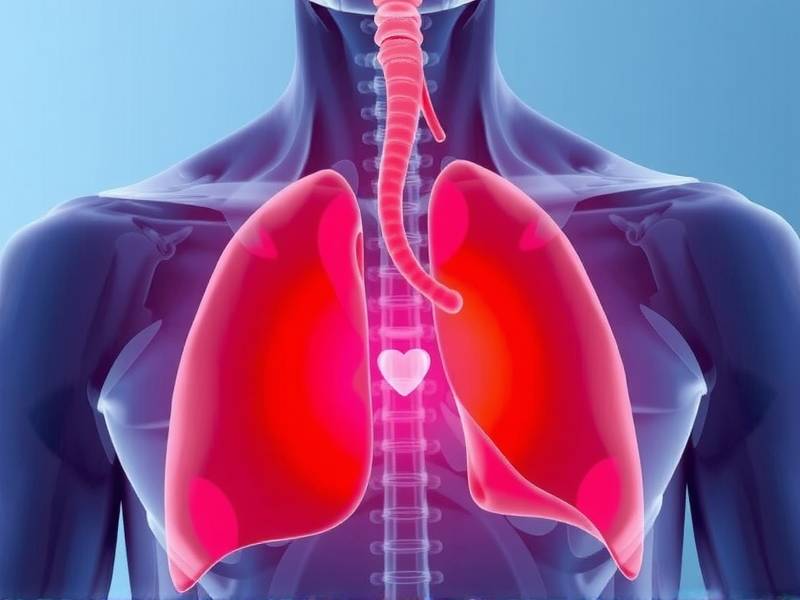
4. Lung Capacity Improves After about 2-12 weeks of not smoking, lung function often improves as the cilia clear out mucus more effectively.
5. Long-Term Recovery Over several years without smoking, there is a significant reduction in risk for lung cancer and other respiratory diseases. Your lungs continue to heal and may eventually reach a level where they are similar to those of a nonsmoker who never smoked.
The Role of Time It's important to note that while some improvements occur quickly, full recovery takes time—years in some cases. The extent of recovery also depends on how long you smoked and how much damage was done before quitting.
Conclusion: The science is clear: quitting smoking does lead to lung recovery over time. While it may not happen overnight or even within months for everyone, the benefits are significant and worth every effort it takes to quit for good. So if you’re considering quitting or have already taken that step, remember that your lungs are on their way toward healing—and with each passing day without a cigarette, they get stronger and healthier.