
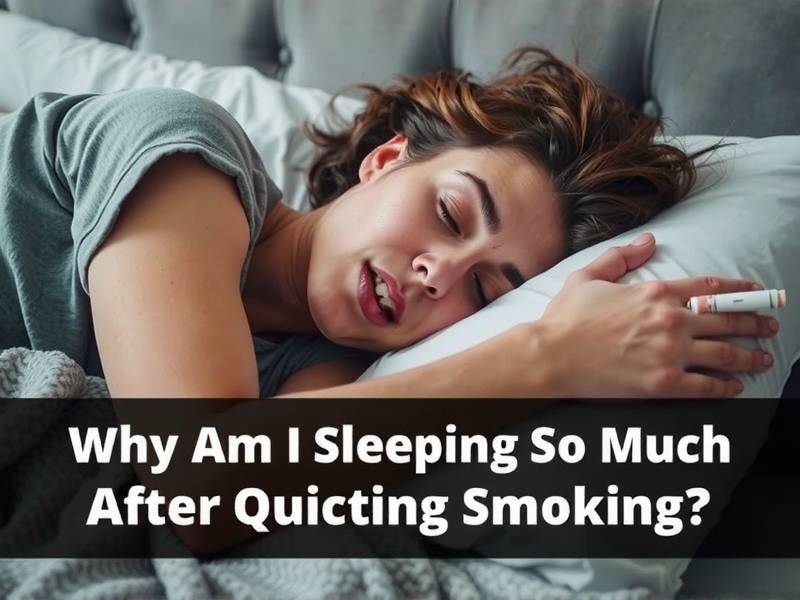
Why Am I Sleeping So Much After Quitting Smoking?
Exploring the Surprising Link Between Quitting Smoking and Increased Sleep: Why Am I Sleeping So Much?
Introduction: Have you ever wondered why you're sleeping more than usual after quitting smoking? It's a common question among those who have recently taken the leap to a smoke-free lifestyle. In this article, we'll delve into the reasons behind this phenomenon and shed light on the intriguing connection between quitting smoking and increased sleep.
Section 1: The Body's Adjustment Process After quitting smoking, your body goes through a period of adjustment as it heals from the years of exposure to nicotine. One of the notable changes is an increase in sleep patterns. Let's explore some of the reasons behind this:

-
Nicotine Withdrawal: Nicotine is a stimulant that keeps you alert and awake. When you quit smoking, your body experiences withdrawal symptoms, including drowsiness and increased sleepiness. This is because your body is trying to restore its natural balance without nicotine's influence.
-
Improved Oxygen Supply: Quitting smoking allows your body to receive more oxygen-rich blood. This enhanced oxygen supply can lead to better overall health, including improved sleep quality.
-
Reduced Stress Levels: Smokers often turn to cigarettes as a stress reliever. After quitting, many individuals find that their stress levels decrease, which can contribute to feeling more relaxed and sleepy.
Section 2: The Role of Hormones Hormonal changes also play a significant role in why you might be sleeping more after quitting smoking:
-
Serotonin Levels: Serotonin is a neurotransmitter that regulates mood and sleep. Nicotine can affect serotonin levels, leading to mood swings and disrupted sleep patterns. Quitting smoking allows your serotonin levels to stabilize, resulting in improved mood and better sleep.
-
Melatonin Production: Melatonin is the hormone responsible for regulating sleep-wake cycles. Quitting smoking can increase melatonin production, leading to more restful nights of sleep.
Section 3: Tips for Managing Increased Sleepiness If you're struggling with excessive sleepiness after quitting smoking, here are some tips to help manage this symptom:
-
Establish a Consistent Sleep Schedule: Try going to bed and waking up at the same time each day to establish a regular sleep pattern.
-
Create a Relaxing Bedtime Routine: Engage in calming activities before bedtime, such as reading or taking a warm bath, to help signal your body that it's time for rest.
-
Stay Active During the Day: Regular physical activity can help regulate your sleep-wake cycles and reduce feelings of drowsiness during the day.
Conclusion: Quitting smoking may lead to an increase in sleep due to various factors like nicotine withdrawal, improved oxygen supply, hormonal changes, and better stress management. While it might be challenging at first, understanding these reasons can help you navigate through increased sleepiness as your body adjusts to its new smoke-free state. Remember that these changes are temporary, and with time, you'll find your new normal balance between restful nights and energetic days!