
How to Improve Your Lungs Health After Quitting Smoking
Revitalize Your Lungs: A Comprehensive Guide to Post-Quit Smoking Health
Introduction: The decision to quit smoking is a monumental step towards better health. However, the journey doesn't end there. Many smokers are eager to understand how they can improve their lung health after quitting. This article delves into practical steps and insights to help you breathe easier and enhance your overall well-being.
Understanding the Impact of Smoking on Lungs
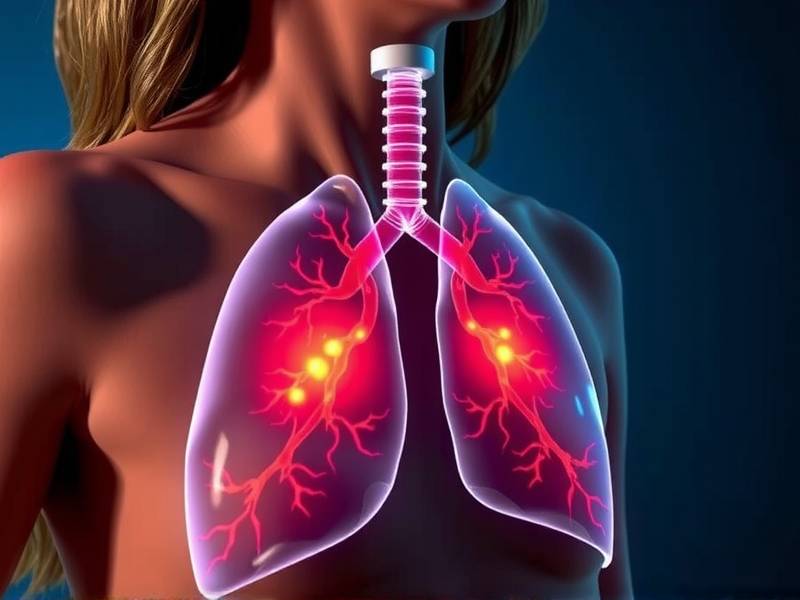
Before we dive into the ways to improve lung health, it's crucial to understand the damage caused by smoking. According to the American Lung Association, smoking can lead to chronic obstructive pulmonary disease (COPD), emphysema, and lung cancer. The good news is that your lungs have an incredible capacity for repair and regeneration.
Step 1: Stay Hydrated
One of the simplest ways to support lung health is by staying hydrated. Water helps thin mucus, making it easier for your lungs to expel toxins and pollutants. Aim for at least eight glasses of water a day.
Step 2: Adopt a Healthy Diet
Nutrition plays a pivotal role in lung repair. Incorporate foods rich in antioxidants, vitamins C and E, selenium, and omega-3 fatty acids. Fruits like berries, vegetables like kale and spinach, nuts, seeds, and fatty fish are great choices.
Step 3: Exercise Regularly
Physical activity improves blood circulation and helps remove carbon monoxide from your body. Engaging in activities such as walking, cycling, or swimming can significantly boost lung function.
Step 4: Avoid Environmental Toxins
Your lungs are also affected by external factors like air pollution and secondhand smoke. Minimize exposure by staying informed about air quality indices and avoiding smoky environments.
Step 5: Practice Breathing Exercises
Pursed-lip breathing is a technique that can help improve lung capacity by encouraging deeper breaths. This practice has been shown to be beneficial for individuals with COPD.
Step 6: Consider Pulmonary Rehabilitation
Pulmonary rehabilitation programs offer structured exercise routines tailored to individuals with chronic respiratory conditions. These programs can help manage symptoms and improve quality of life.
Step 7: Regular Check-Ups
It's essential to monitor your lung health through regular check-ups with a healthcare provider. They can assess your breathing capacity and recommend additional treatments if needed.
Conclusion: Improving lung health after quitting smoking is a gradual process that requires commitment and consistency. By adopting these steps, you're not only enhancing your respiratory system but also setting the stage for a healthier future. Remember that every breath you take post-quit is one step closer to healthier lungs and a better life.