
How Long Do Your Lungs Take to Recover After Quitting Smoking?
The Journey to Lung Recovery
Quitting smoking is a significant step towards a healthier life, and many smokers are eager to know how quickly their lungs can bounce back. The journey of lung recovery is unique for each individual, but understanding the general timeline can provide hope and motivation. In this article, we will explore the stages of lung recovery and the factors that influence the process.
Early Recovery: Weeks 1-3
In the first few weeks after quitting smoking, your lungs begin to clear out the accumulated tar and toxins. You might notice an improvement in your breathing and a decrease in shortness of breath. According to research from the American Lung Association, within three months, your lungs can start to expand again, allowing for better oxygen intake.
Improvements Continue: Weeks 3-6
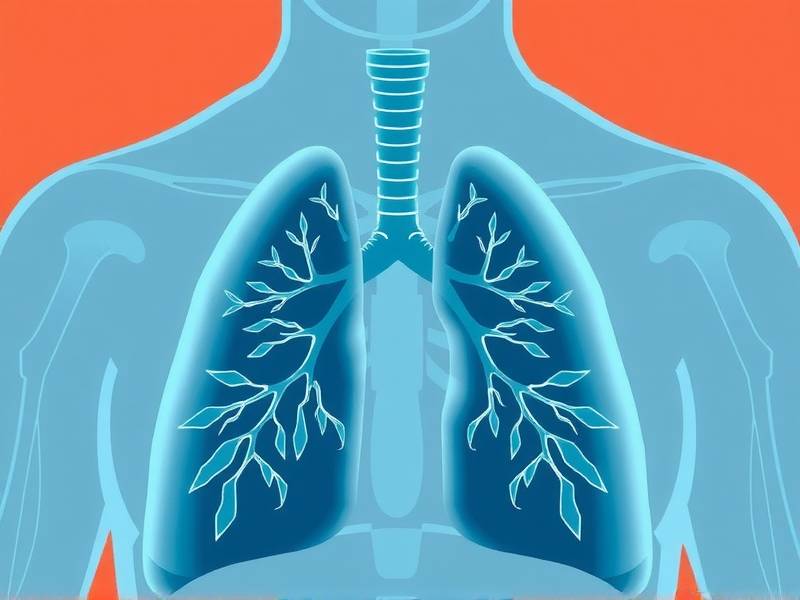
As you progress beyond the initial three months, your lungs continue to recover. The airways become less inflamed, and you may experience fewer respiratory infections. During this period, your lung capacity increases significantly compared to when you were smoking.
Long-Term Recovery: Months 6-12
The next few months mark a critical phase in lung recovery. Your risk of developing chronic obstructive pulmonary disease (COPD) decreases as your lungs continue to heal. Additionally, your immune system becomes stronger, reducing the likelihood of respiratory infections.
The Long Game: Years 1-5
Within one year of quitting smoking, many smokers experience significant improvements in their overall health. Their risk of heart disease decreases by half compared to continuing smokers. Over time, the risk of developing cancer also diminishes.
Factors Influencing Lung Recovery
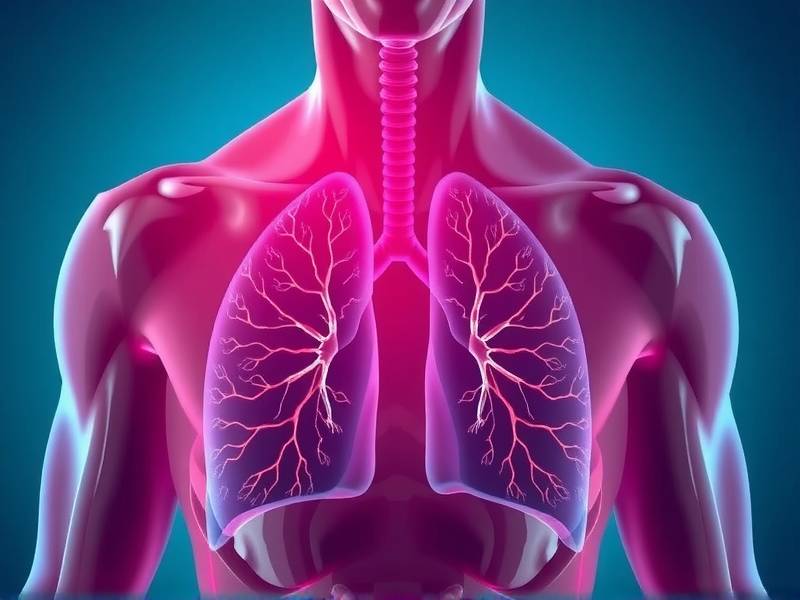
While the average timeline provides a general idea of lung recovery, it's essential to consider individual factors that can impact the process:
- Duration of Smoking: The longer you smoked and the more cigarettes you smoked daily, the longer it may take for your lungs to recover.
- Age: Younger individuals tend to recover faster than older ones.
- Overall Health: People with existing health conditions may experience slower recovery.
- Genetic Factors: Your genetic makeup can influence how quickly your body recovers from smoking-related damage.
- Environmental Factors: Exposure to secondhand smoke or air pollution can slow down lung recovery.
Conclusion
The journey towards lung recovery after quitting smoking is a remarkable testament to the body's ability to heal itself. While it varies from person to person, understanding the stages and factors influencing this process can help keep you motivated on your path toward better health. Remember that every day without a cigarette brings you one step closer to healthier lungs and a longer life.
By adopting a proactive approach towards maintaining good health habits post-quitting smoking—such as regular exercise and maintaining a healthy diet—you'll be well on your way towards fully recovering your lungs' functionality over time.
Stay committed and focused on improving your lifestyle choices; with persistence comes progress!