
How Long Does It Take for Blood Vessels to Heal After Quitting Smoking?
The Journey to Healing: How Long Do Blood Vessels Take to Recover After Quitting Smoking?
Introduction: Quitting smoking is a significant step towards a healthier lifestyle. While many are aware of the immediate benefits of quitting, such as improved lung function and reduced risk of heart disease, the healing process within our bodies continues even after the last cigarette. One crucial aspect of this recovery is the healing of blood vessels. In this article, we will explore how long it takes for blood vessels to heal after quitting smoking and shed light on the remarkable changes that occur within our bodies.
Understanding Blood Vessel Damage from Smoking
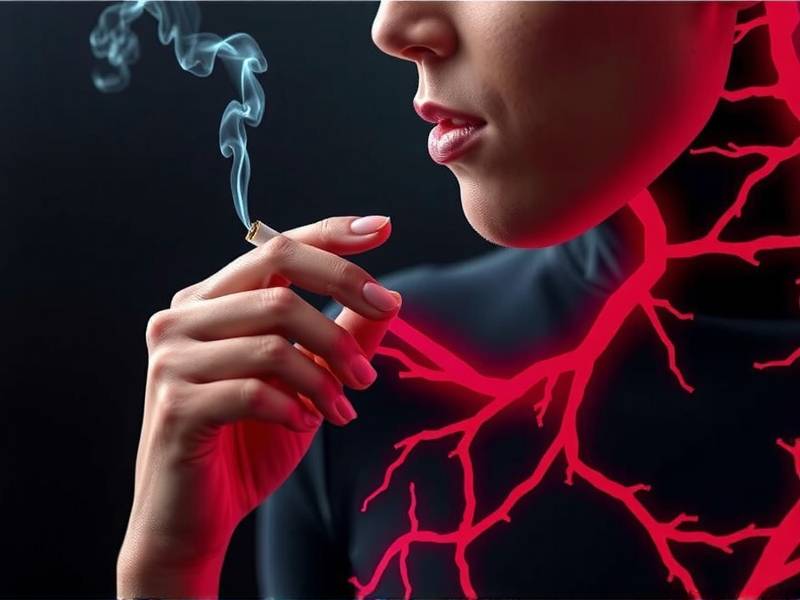
Smoking causes severe damage to the lining of our blood vessels, leading to inflammation and narrowing of the arteries. This condition, known as atherosclerosis, increases the risk of heart attacks and strokes. The good news is that by quitting smoking, you can start reversing these detrimental effects on your blood vessels.
The Healing Process
The healing process for blood vessels begins almost immediately after you quit smoking. Here's a breakdown of what happens over time:
-
First 24 Hours: Within just 24 hours after quitting, your body starts to eliminate nicotine and carbon monoxide from your bloodstream.
-
First 2-3 Weeks: During this period, your blood pressure begins to drop as your heart rate stabilizes. The inflammation in your arteries also starts to decrease.
-
First 1-3 Months: Your cholesterol levels may improve during this phase, reducing the risk of plaque buildup in your arteries.
-
6-12 Months: After about six months, you can expect significant improvements in blood flow and circulation as your arteries continue to dilate.
-
1-2 Years: Within one to two years after quitting smoking, you may notice a considerable reduction in the risk of heart disease compared to when you were still smoking.
-
5 Years: At this stage, your risk of stroke decreases by about 50%, similar to someone who has never smoked.
-
10 Years: After 10 years without smoking, your risk of heart disease becomes similar to that of someone who has never smoked.
The Role of Diet and Exercise
While quitting smoking is essential for healing damaged blood vessels, adopting a healthy lifestyle further accelerates the recovery process. Incorporating regular exercise and maintaining a balanced diet rich in fruits, vegetables, whole grains, and lean proteins can significantly enhance cardiovascular health.
Conclusion:
Quitting smoking is not just about breaking free from addiction; it's about giving your body a chance to heal and thrive. Understanding how long it takes for blood vessels to heal after quitting smoking can provide motivation and hope for those on their journey towards better health. By making positive lifestyle choices and giving yourself time, you can witness remarkable improvements in your cardiovascular health over time. Remember that every day without tobacco is a step closer to a healthier future!