
Does Quitting Smoking Really Cause Hair Loss? The Science Behind the Question
Introduction: The Common Concern
Have you ever heard someone say that quitting smoking can lead to hair loss? It's a common concern among smokers contemplating giving up the habit. But is there any truth to this claim? In this article, we'll delve into the science behind this question and separate fact from fiction.
Understanding Hair Loss
Before we dive into the connection between quitting smoking and hair loss, let's first understand what causes hair loss. Hair loss can be due to a variety of factors, including genetics, hormones, stress, and nutrient deficiencies. Now, let's explore whether quitting smoking could potentially contribute to these factors.
The Myth of Nicotine as a Hair Loss Preventer
Some people believe that nicotine in cigarettes helps prevent hair loss. However, there is no scientific evidence to support this claim. On the contrary, studies have shown that nicotine can constrict blood vessels and reduce blood flow to the scalp, which may actually exacerbate hair loss.

Nicotine Withdrawal: A Temporary Side Effect?
When you quit smoking, you may experience withdrawal symptoms. Some people report experiencing a range of side effects, including anxiety and irritability. However, hair loss is not typically listed among these side effects. While it's possible for anyone to experience changes in their body after quitting smoking, there is no direct link between quitting smoking and permanent hair loss.
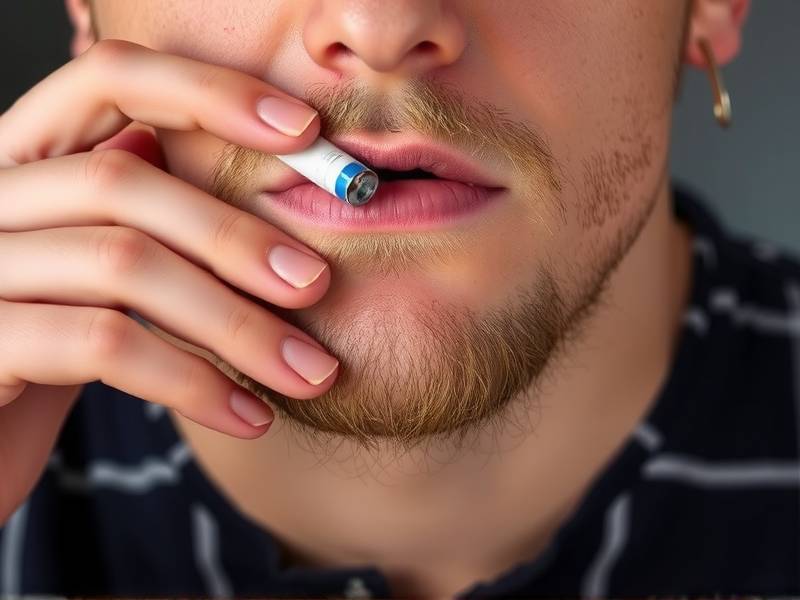
Stress and Quitting Smoking
One potential factor that might contribute to hair loss when quitting smoking is stress. Stress can lead to telogen effluvium—a condition where large amounts of hair fall out due to stress—temporarily. If someone experiences high levels of stress while trying to quit smoking, it could theoretically exacerbate their hair loss issues.
Nutrient Deficiencies: A Closer Look
Another potential cause of hair loss when quitting smoking could be nutrient deficiencies. Smokers often have lower levels of certain vitamins and minerals due to reduced nutrient absorption from tobacco smoke. When they quit smoking, their bodies may need time to adjust and restore these nutrient levels.
The Bottom Line: Is There a Link?
In conclusion, while there is no definitive evidence that quitting smoking directly causes permanent hair loss, it's essential for individuals considering quitting to be aware of potential side effects like stress or nutrient deficiencies that could indirectly impact their hair health.
Remember that everyone's body reacts differently when they quit smoking. If you're worried about your hair or any other aspect of your health after quitting tobacco products, it's always best to consult with a healthcare professional who can provide personalized advice.
Final Thoughts
The question of whether quitting smoking causes hair loss remains a topic of debate among researchers and the public alike. While we cannot definitively say that quitting smoking will lead to permanent hair loss for everyone, it's clear that making healthy lifestyle choices—such as eating a balanced diet rich in vitamins and minerals—can help support overall health and potentially minimize any potential risks associated with giving up cigarettes.
By understanding the science behind this question and seeking professional guidance when needed, you can make informed decisions about your health journey towards becoming smoke-free!