
What Happens When You Quit Smoking: A 15-Year Timeline
What Happens When You Quit Smoking: A 15-Year Timeline
Introduction: Quitting smoking is a significant decision that can lead to numerous health benefits. Understanding the changes that occur in your body after quitting smoking can provide motivation and encouragement. This article provides a comprehensive 15-year timeline of what happens when you quit smoking, highlighting the long-term benefits of this life-changing decision.
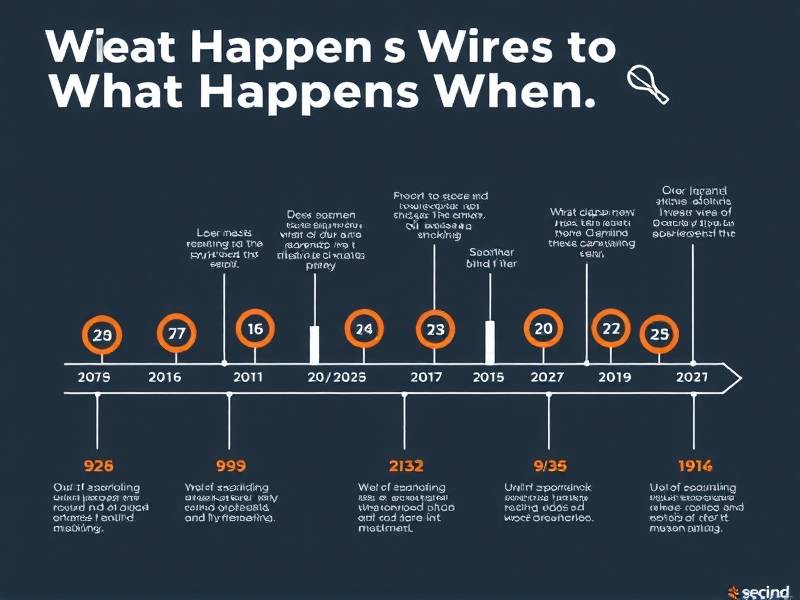
Year 1: Initial Health Improvements Within the first year of quitting smoking, you'll start to notice immediate and substantial health improvements. Here's what to expect:
- Improved Lung Function: Your lungs will begin to clear out tar and mucus, leading to better breathing and increased lung capacity.
- Lowered Risk of Heart Disease: Your heart rate and blood pressure will stabilize, reducing the risk of heart disease.
- Enhanced Taste and Smell: You'll experience a heightened sense of taste and smell as your senses begin to recover.
Year 2: Continued Health Improvements In the second year after quitting, your body continues to repair itself:
- Reduced Risk of Stroke: The risk of stroke decreases as your blood vessels become healthier.
- Improved Immune System: Your immune system strengthens, making you less susceptible to infections.
Year 3: Long-Term Health Benefits Begin to Show By now, you're reaping the long-term benefits of quitting smoking:
- Reduced Risk of Cancer: The risk of developing various types of cancer decreases significantly.
- Improved Skin Health: Your skin may appear smoother and more radiant as it begins to heal from years of smoking damage.
Year 4-5: Enhanced Quality of Life During these years, you'll enjoy an improved quality of life:
- Increased Energy Levels: You'll have more energy for daily activities due to better overall health.
- Better Sleep Quality: Quitting smoking can lead to better sleep patterns and increased sleep duration.
Year 6-10: Longevity Gains Over this period, you'll see continued improvements in your health and longevity:
- Further Reduced Risk of Heart Disease and Stroke: Your risk for these conditions continues to decrease as your body heals further.
- Potential for Reversing Damage: In some cases, previous damage caused by smoking may be reversed or reduced.
Year 11-15: Sustaining Success By now, you've been smoke-free for over a decade. Maintaining this lifestyle change is crucial:
- Stable Health Benefits: Continue enjoying the health benefits gained over the past few years.
- Prevention of New Health Issues: Stay smoke-free to prevent potential complications that could arise from relapse or continued smoking.
Conclusion: Quitting smoking is a journey with numerous milestones along the way. By understanding the long-term benefits that occur over a 15-year timeline, you can stay motivated and committed to this life-changing decision. Embrace each stage as your body repairs itself from years of tobacco exposure and enjoy a healthier future.