
What Happens to Your Stomach When You Quit Smoking?
"Unveiling the Transformation: What Your Stomach Experiences When You Quit Smoking"
Introduction: Quitting smoking is a significant step towards a healthier lifestyle. While many are aware of the immediate benefits to the lungs and heart, the impact on the stomach is often overlooked. This article delves into the fascinating changes that occur in your stomach when you quit smoking, offering insights into how your digestive system can undergo a remarkable transformation.
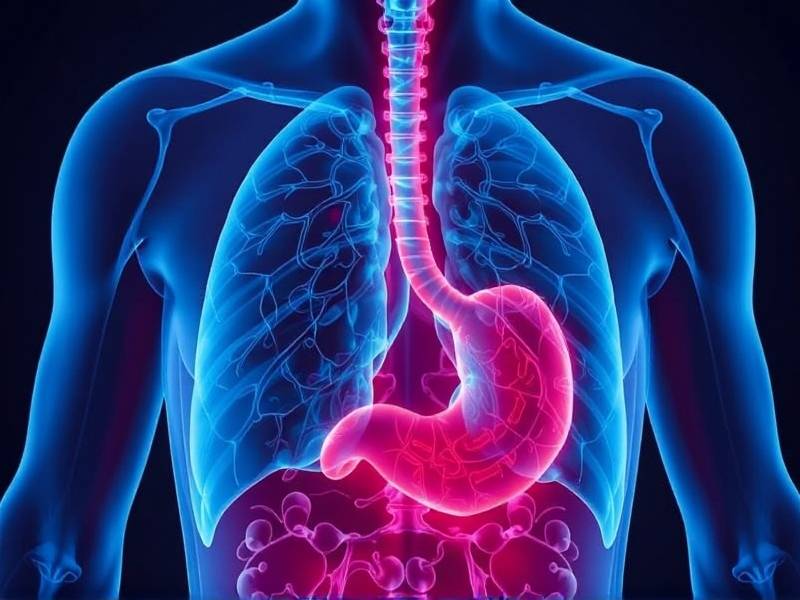
1. Improved Digestion
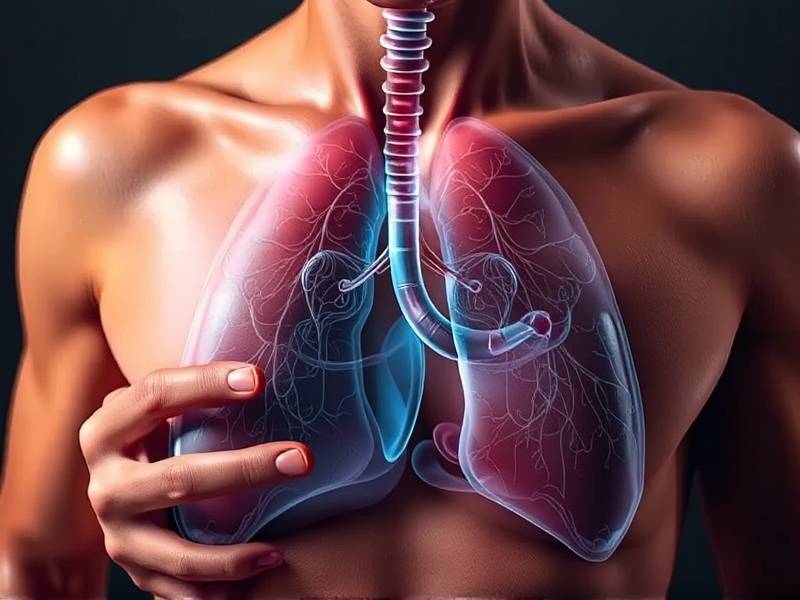
One of the first noticeable changes in your stomach after quitting smoking is an improvement in digestion. Smoking can slow down your digestive process, leading to bloating and constipation. However, as you kick the habit, your digestive enzymes begin to function more efficiently, resulting in better absorption of nutrients and a more regular bowel movement.
2. Reduced Inflammation
Smoking causes chronic inflammation throughout the body, including the gastrointestinal tract. When you quit smoking, this inflammation subsides, reducing symptoms like heartburn and acid reflux. This change not only alleviates discomfort but also reduces the risk of developing ulcers and other gastrointestinal disorders.
3. Enhanced Gut Flora
The gut flora—the community of microorganisms living in your intestines—plays a crucial role in digestion and overall health. Smoking disrupts this delicate balance, leading to an overgrowth of harmful bacteria and a decrease in beneficial ones. Quitting smoking promotes a healthier gut flora composition, which can improve digestion and even support immune function.
4. Increased Nutrient Absorption
Smokers often experience poor nutrient absorption due to impaired blood flow caused by nicotine use. As you quit smoking, blood flow to your stomach improves, allowing for better absorption of essential nutrients like vitamin B12 and iron. This can lead to increased energy levels and improved overall health.
5. Reduced Risk of Stomach Cancer
Long-term smoking increases the risk of stomach cancer due to its carcinogenic effects on cells lining the stomach wall. Quitting smoking significantly reduces this risk as it allows your body's natural defense mechanisms to repair damaged cells and prevent cancerous growths.
Conclusion: Quitting smoking has profound effects on various aspects of your health, including your stomach's well-being. By improving digestion, reducing inflammation, enhancing gut flora balance, increasing nutrient absorption, and lowering cancer risks, quitting smoking can transform not only your lifestyle but also your digestive system for the better. Embrace this journey towards a healthier you by taking that crucial step today!