
How to Quickly Improve Lung Capacity After Quitting Smoking: Effective Tips and Exercises
Introduction
Quitting smoking is a significant step towards a healthier life, but the journey doesn't end there. Many ex-smokers often find themselves struggling with reduced lung capacity. The good news is that there are several effective strategies and exercises you can adopt to improve your lung function quickly after quitting. In this article, we will explore some of the best tips and exercises that can help you breathe easier and feel better.
Understanding the Impact of Smoking on Lung Capacity
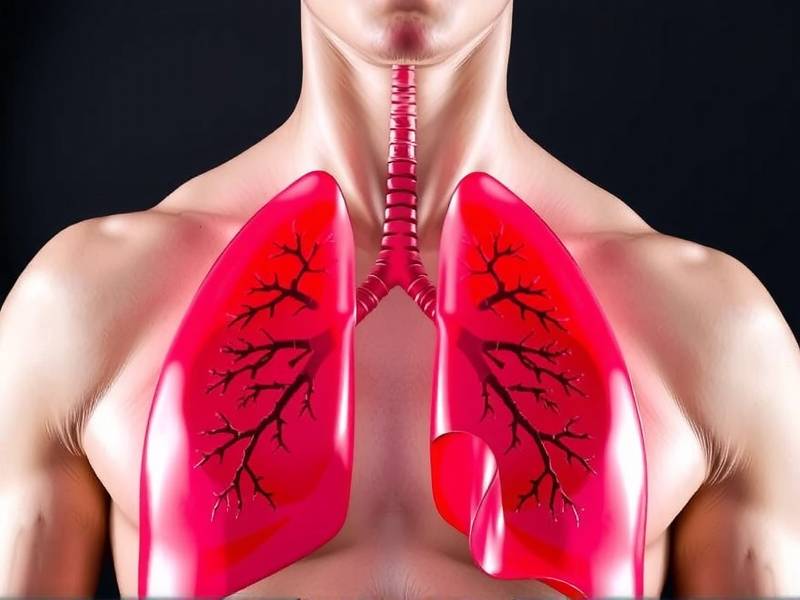
Before diving into the tips and exercises, it's essential to understand how smoking affects lung capacity. Smoking causes damage to the lungs by inflaming the airways and damaging the alveoli— tiny air sacs where oxygen enters your bloodstream. Over time, this damage leads to reduced lung capacity and makes breathing more difficult.
Tips for Improving Lung Capacity
1. Increase Your Water Intake
Hydration plays a crucial role in improving lung function. Drinking plenty of water helps keep your mucus thin, making it easier for your lungs to expel mucus and reduce inflammation.
2. Avoid Air Pollution
Air pollution can exacerbate respiratory issues and hinder lung recovery. Try to minimize exposure to smog, pollen, dust, and other allergens by staying indoors during high pollution levels or wearing a mask when outdoors.
3. Maintain a Healthy Diet
A balanced diet rich in fruits, vegetables, lean proteins, whole grains, and healthy fats can help improve lung function. Some nutrients that are particularly beneficial include vitamin C, vitamin E, selenium, beta-carotene, and omega-3 fatty acids.
4. Stay Active
Regular physical activity can enhance lung capacity by increasing blood flow throughout your body. Aim for at least 30 minutes of moderate exercise most days of the week.
Exercises for Improving Lung Capacity
1. Deep Breathing Exercises
Deep breathing exercises help increase lung capacity by expanding your lungs fully with each breath.
- Sit comfortably with your feet flat on the ground.
- Inhale deeply through your nose until you feel your lungs expand.
- Hold your breath for a few seconds.
- Exhale slowly through pursed lips as if you were whistling.
- Repeat this exercise for several minutes daily.
2. Pursed-Lip Breathing Technique
This technique helps control breathing rate during physical activity by slowing down exhalation.
- Inhale deeply through your nose.
- Pucker your lips slightly as if you were whistling.
- Exhale slowly through pursed lips.
- Continue this pattern until you feel more comfortable breathing at rest or during exercise.
3. Diaphragmatic Breathing Exercise
Diaphragmatic breathing strengthens the diaphragm muscle and improves overall lung capacity.
- Lie down on your back with one hand on your chest and the other on your abdomen.
- Inhale deeply through your nose while allowing your abdomen to rise.
- Exhale slowly through pursed lips while pressing gently on your abdomen.
- Repeat this exercise for several minutes daily.
Conclusion
Improving lung capacity after quitting smoking is an essential step towards regaining optimal health. By incorporating these tips and exercises into your daily routine, you can enhance lung function quickly while enjoying a smoke-free life. Remember that patience is key; it may take time for full recovery, but with dedication and commitment, you'll be well on your way to healthier lungs!