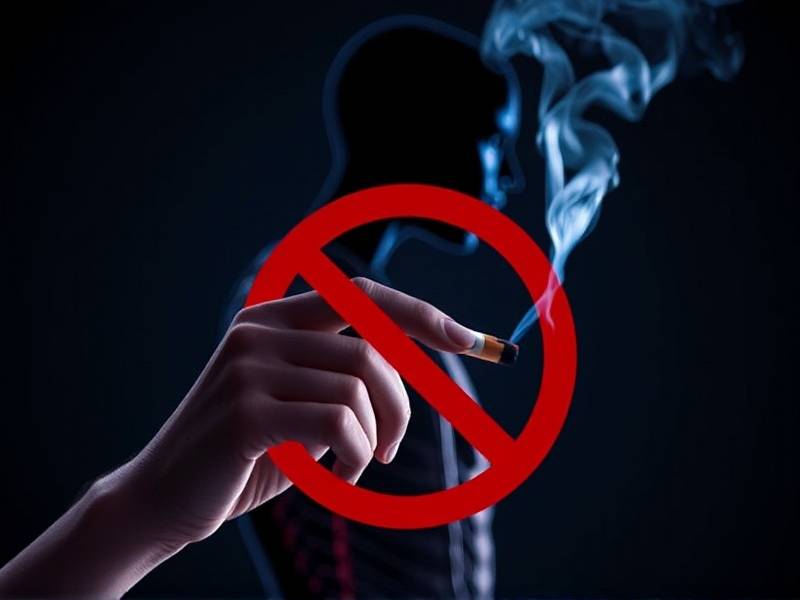
How Long Does Nicotine Stay in Your Body After You Quit Smoking?
Unveiling the Timeline: How Long Does Nicotine Stay in Your Body After Quitting Smoking?
Introduction: Quitting smoking is a significant step towards a healthier lifestyle, but many smokers often wonder about the timeline of nicotine's departure from their bodies. This article delves into the duration nicotine lingers in your system after you quit smoking, providing you with valuable insights to help you stay motivated on your journey to a smoke-free life.
- Understanding Nicotine Metabolism Nicotine is a highly addictive substance that affects the brain and body. When you quit smoking, your body undergoes a complex process of metabolizing nicotine. It's crucial to understand how nicotine is processed and eliminated from your system.
1.1 Absorption and Distribution Upon inhaling cigarette smoke, nicotine quickly enters your bloodstream through the lungs. It then travels to various organs, including the brain, where it binds to nicotine receptors and produces its stimulating effects.

1.2 Elimination The elimination of nicotine from your body occurs primarily through urine, sweat, and feces. The liver plays a vital role in breaking down nicotine into metabolites that can be excreted.
- Factors Influencing Nicotine Detoxification Several factors can affect how long nicotine stays in your body after quitting smoking:
2.1 Body Weight Individuals with higher body weights tend to have slower metabolism rates, which can prolong the duration of nicotine elimination.
2.2 Age Younger individuals may eliminate nicotine more rapidly than older adults due to differences in metabolic rates.
2.3 Gender Research suggests that men may take longer to eliminate nicotine compared to women due to hormonal differences.
2.4 Amount of Smoked Cigarettes per Day The frequency and quantity of cigarettes smoked daily can impact the duration of nicotine elimination.
- How Long Does Nicotine Stay in Your System? The duration for which nicotine remains in your body after quitting smoking varies among individuals:
3.1 Short-Term Elimination (0-48 hours) Within the first 48 hours after quitting, most of the remaining nicotine is eliminated from your system.
3.2 Intermediate Elimination (1-3 weeks) After approximately one week, levels of cotinine (a metabolite of nicotine) begin to decline significantly.
3.3 Long-Term Elimination (several weeks to months) It may take several weeks or even months for cotinine levels to reach near-zero levels in some individuals.
- Benefits of Quitting Smoking Understanding how long it takes for your body to rid itself of nicotine highlights the importance of perseverance during the quitting process:
4.1 Improved Health Outcomes Eliminating nicotine from your body reduces the risk of developing numerous health issues associated with smoking, such as heart disease, lung cancer, and stroke.
4.2 Enhanced Well-being As cotinine levels decrease over time, you'll likely experience improved mood, increased energy levels, and better overall well-being.
Conclusion: Quitting smoking is a challenging endeavor that requires patience and determination. Knowing how long it takes for nicotine to leave your body can help keep you motivated throughout this journey towards a healthier lifestyle. Remember that each individual's experience may vary slightly; stay committed and celebrate every milestone along the way!