
The Timeline for How Long It Takes to Quit Smoking
The Journey to Quit Smoking: A Comprehensive Timeline
Introduction: Quitting smoking is a challenging endeavor, but it's a journey worth embarking on for the numerous health benefits it brings. Understanding the timeline for quitting smoking can help smokers set realistic expectations and stay motivated throughout the process. In this article, we will explore the stages of quitting smoking and provide a comprehensive timeline to help you on your path to a smoke-free life.
I. The Pre-Quit Phase: Before taking that first step towards quitting, many smokers go through a pre-quit phase. This phase may last from a few days to several weeks, during which individuals reflect on their smoking habits, consider the reasons for quitting, and gather information about available resources and support systems.
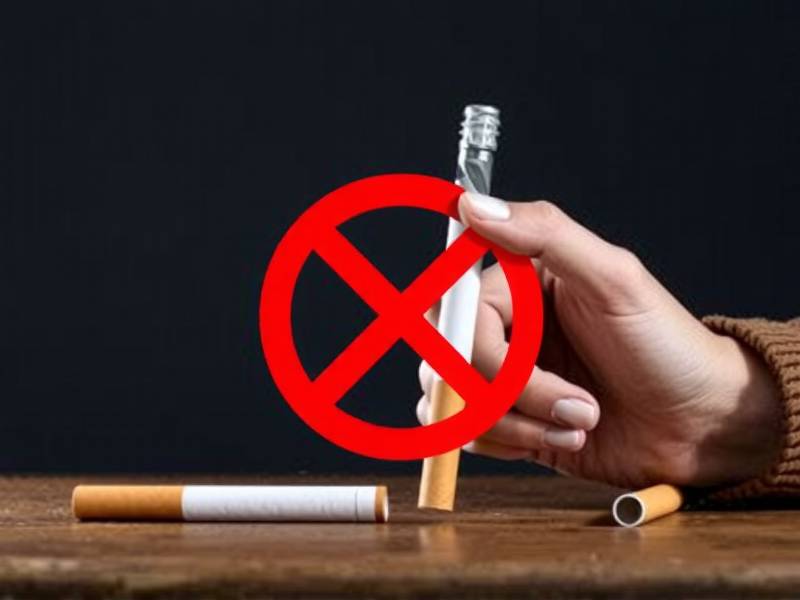
II. The First Week: During the first week of quitting, withdrawal symptoms may begin to manifest. These symptoms include cravings, irritability, anxiety, and mood swings. It's crucial to stay hydrated, eat healthy meals, and engage in stress-relieving activities to cope with these challenges.
III. The First Month: By the end of the first month without smoking, most smokers experience significant improvements in their physical and mental well-being. Withdrawal symptoms start to diminish, and lung function begins to improve. Celebrate this milestone as it signifies progress towards a smoke-free life.
IV. The First Three Months: During this phase, cravings may still occur occasionally. However, they become less intense and are easier to manage. It's essential to maintain a strong support system during this time and seek assistance when needed.
V. The First Six Months: At six months post-quit, many individuals experience long-lasting improvements in their health and well-being. Lung function continues to improve significantly compared to when they were smoking regularly.
VI. The First Year: After one year without smoking, the risk of heart disease decreases by approximately 50%. Smokers also enjoy improved respiratory health and reduced chances of developing cancer.
VII. Long-term Benefits: The benefits of quitting smoking continue to accumulate over time. After five years without smoking, the risk of stroke decreases by 50%. Ten years post-quit reduces the risk of lung cancer by half compared to continuing smokers.

Conclusion: The journey towards quitting smoking is unique for each individual but follows a general timeline that includes various stages of adjustment and improvement. By understanding this timeline and maintaining perseverance throughout the process, smokers can achieve long-term success in their quest for a smoke-free life.
Remember that seeking professional support from healthcare providers or joining support groups can greatly enhance your chances of successfully quitting smoking. Stay committed to your goal and celebrate each milestone along the way!