
Do Gums Improve After Quitting Smoking?
Introduction: The Journey to Gum Health
Quitting smoking is a significant step towards improving one's overall health. While many people focus on the immediate benefits of quitting, such as reducing the risk of heart disease and cancer, there are also long-term effects that can be quite surprising. One such effect is the improvement in gum health. In this article, we delve into how gums can improve after quitting smoking and what you can expect on this journey.
The Smoking-Gum Connection
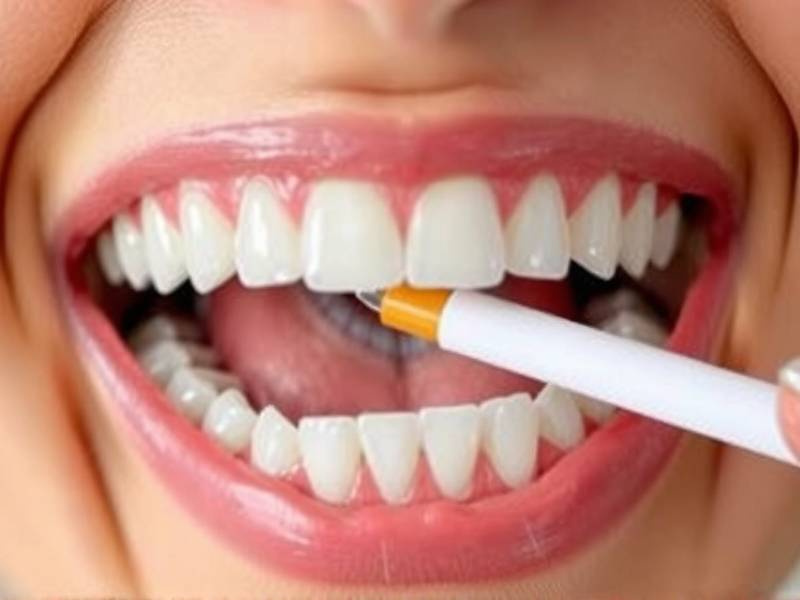
It's no secret that smoking can have detrimental effects on oral health. The chemicals in cigarettes can lead to gum disease, also known as periodontal disease, which affects the gums and bones that support the teeth. This condition often starts with gingivitis, characterized by red, swollen gums that bleed easily.
Early Improvements Post-Quitting
When you quit smoking, your body begins to heal almost immediately. Here's what you might experience in the early stages:
1. Reduced Inflammation
Within a few days to weeks after quitting, you may notice that your gums are less inflamed and tender. This is because the body starts to repair damaged tissues and reduce inflammation.
2. Less Bleeding
Gingivitis often causes gums to bleed when brushing or flossing. After quitting, you should see a decrease in bleeding over time as your gums become healthier.

Long-Term Gum Health Benefits
The real transformation occurs over several months to years post-quitting:
1. Gum Reattachment
Over time, your gums may reattach to your teeth as the inflammation subsides and your body repairs damage caused by smoking.
2. Bone Regeneration
Smoking can lead to bone loss in the jawbone due to reduced blood flow and oxygen supply. Quitting can help stimulate bone regeneration around the teeth.
3. Improved Taste and Smell
As nicotine levels decrease in your system, you'll likely notice an improvement in your sense of taste and smell. This enhanced sensory experience can make oral care more enjoyable.
Maintaining Gum Health
While quitting smoking is a crucial first step, maintaining good gum health requires consistent effort:
1. Regular Oral Hygiene
Brush your teeth at least twice a day with fluoride toothpaste and floss daily to remove plaque and food particles that contribute to gum disease.
2. Professional Cleanings
Regular dental check-ups are essential for monitoring gum health and removing tartar buildup that regular brushing cannot eliminate.
3. Healthy Diet
A balanced diet rich in vitamins C and K, calcium, and phosphorus can help maintain strong bones and healthy gums.
Conclusion: The Path to Better Gums
Quitting smoking is not just about avoiding cancer or heart disease; it's also about improving your quality of life through better oral health. Your gums have the potential to improve significantly after quitting smoking, but it requires dedication to good oral hygiene practices and regular dental care. Take the leap today for a healthier smile tomorrow!