
Does Your Singing Voice Come Back After Quitting Smoking?
Unveiling the Mystery: Can Smoking Affect Your Singing Voice?
The act of quitting smoking is a significant decision for anyone, and it often brings about a myriad of changes in the body. One common question that arises among smokers who are also singers or those who enjoy music is whether their singing voice will return to its former glory after quitting. Let's delve into this topic and explore the science behind it.
The Impact of Smoking on Your Voice
Smoking can have a profound impact on your voice. It can lead to a dry, rough, or scratchy throat, making it difficult to sing with ease. Additionally, smoking can cause inflammation in the vocal cords and reduce lung capacity, which affects the quality of your singing voice.
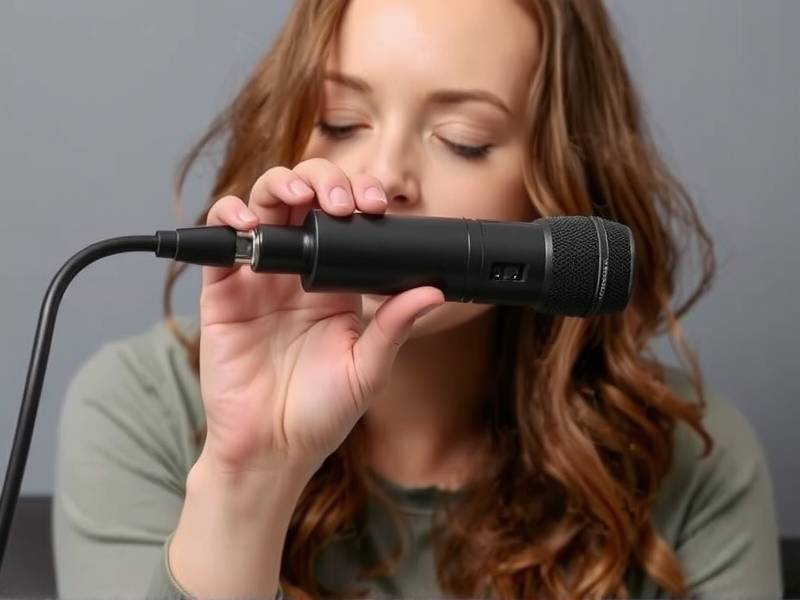
The Promise of Recovery: Will Your Voice Improve?
The good news is that many singers who quit smoking have reported improvements in their voice quality. Here's how it happens:

1. Improved Lung Function
As you quit smoking, your lung capacity starts to improve gradually. This increased lung function allows for better breath control and support while singing.
2. Reduced Inflammation
Quitting smoking reduces inflammation in the vocal cords, which leads to a smoother and more resonant voice.
3. Hydration and Care
A well-hydrated throat is essential for maintaining good vocal health. By quitting smoking, you'll be able to maintain better hydration levels in your throat, resulting in improved vocal quality.
The Timeline for Recovery
It's important to note that recovery from smoking-related vocal damage varies from person to person. Some singers may notice improvements within weeks of quitting, while others may take several months or even years.
Quick Improvements
- Within weeks: Many singers report a decrease in hoarseness and an increase in breath support.
- Within months: Continued improvement in overall vocal quality may be observed.
Long-term Improvements
- Within years: Some singers may experience significant improvements in their singing voice after several years of quitting smoking.
Tips for Maintaining Your Singing Voice After Quitting Smoking
To ensure that your singing voice continues to improve after quitting smoking, consider the following tips:
- Stay hydrated by drinking plenty of water throughout the day.
- Avoid exposure to irritants like dust or smoke.
- Practice proper breathing techniques while singing.
- Consult with a vocal coach or speech therapist if needed.
Conclusion
In conclusion, quitting smoking can significantly improve your singing voice by enhancing lung function and reducing inflammation in the vocal cords. While recovery timelines vary, many singers report noticeable improvements within weeks or months after quitting. By adopting healthy habits and maintaining proper care for your voice, you can ensure that your singing abilities continue to thrive even after putting down those cigarettes.
Remember, it's never too late to quit smoking and start enjoying the benefits of better health—and perhaps even a newfound love for music!