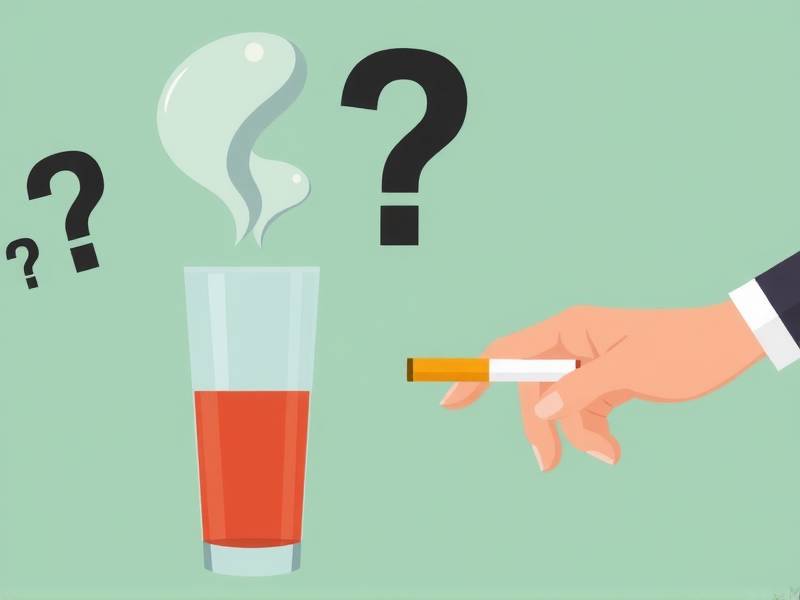
Is It Harder to Quit Drinking or Smoking? The Debate That Has Stumped Many
Introduction: The Age-Old Dilemma
The question of whether it's harder to quit drinking or smoking has long been a topic of debate. Both habits are deeply ingrained and can significantly impact one's health. In this article, we delve into the complexities of these addictions and explore the reasons why some may find one harder to quit than the other.
Understanding Addiction: A Common Ground
Before we can compare the difficulty of quitting drinking and smoking, it's essential to understand addiction itself. Addiction is a chronic disease characterized by compulsive drug seeking and use despite harmful consequences. Both alcohol and nicotine share this common trait, making them equally challenging to overcome.
The Physical Aspect: Nicotine vs Alcohol
When it comes to physical dependence, nicotine is often cited as more potent than alcohol. Nicotine is a highly addictive substance found in tobacco products, while alcohol is a psychoactive drug that affects the central nervous system.

Nicotine: A Quick Fix with Long-Term Consequences
Nicotine provides a quick fix by stimulating the release of dopamine in the brain, creating a sense of pleasure and relaxation. However, this temporary relief often leads to increased cravings and withdrawal symptoms when attempting to quit. The physical withdrawal from nicotine can include symptoms such as irritability, anxiety, depression, insomnia, and headaches.
Alcohol: A Social Beverage with Hidden Traps
Alcohol is often perceived as a social beverage that doesn't carry the same level of stigma as smoking. However, its effects on the body are profound. Alcohol affects various organs and systems in the body, including the liver, heart, brain, and pancreas. Withdrawal from alcohol can lead to severe symptoms such as delirium tremens (DTs), which can be life-threatening.
The Psychological Aspect: Habitual Patterns and Emotional Triggers
The psychological aspect of addiction plays a crucial role in determining its difficulty to quit. Both drinking and smoking are deeply rooted in habit formation and emotional triggers.
Smoking: A Habitual Ritual
Smoking has become an integral part of many people's daily routines. It serves as a stress reliever for some while providing a sense of control for others. Breaking this ritual can be challenging due to its ingrained nature.
Drinking: An Emotional Buffer
Alcohol consumption often serves as an emotional buffer for many individuals. It helps cope with stress, anxiety, or even celebrate joyous occasions. Quitting alcohol requires addressing these underlying emotional issues that fuel its consumption.
Conclusion: No Clear Winner in This Debate
In conclusion, both quitting drinking and smoking present unique challenges due to their physical and psychological aspects. While nicotine may have a stronger hold on some individuals due to its rapid impact on dopamine levels, alcohol's pervasive influence on various body systems makes it equally difficult for others.
Ultimately, the debate between quitting drinking or smoking boils down to personal experiences and individual factors such as genetics, environment, and support systems. Whether one addiction is harder than the other remains subjective but highlights the importance of seeking professional help when overcoming any form of addiction.
Remember that quitting is possible with determination and support—no matter which path you choose!