
What Happens to Your Lungs After Quitting Smoking?
The Transformative Journey of Your Lungs Post-Quitting Smoking
Introduction: The decision to quit smoking is a significant step towards better health. While the benefits of quitting are well-documented, many smokers often wonder about the specific changes that occur within their bodies, particularly their lungs. This article delves into what happens to your lungs after you quit smoking, offering insights into the remarkable journey of recovery and regeneration.
Understanding Lung Damage: The Pre-Quitting State
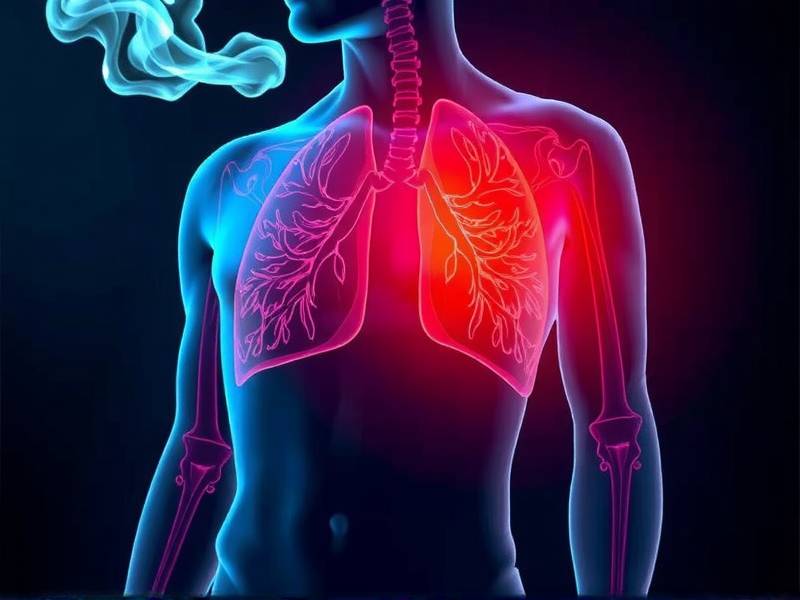
Before we explore the healing process, it's crucial to understand the damage caused by smoking. Cigarette smoke contains over 7,000 chemicals, including hundreds that are toxic and at least 70 that can cause cancer. These chemicals inflame and irritate lung tissues, leading to a range of respiratory issues such as chronic bronchitis and emphysema.
The Early Stages of Recovery
-
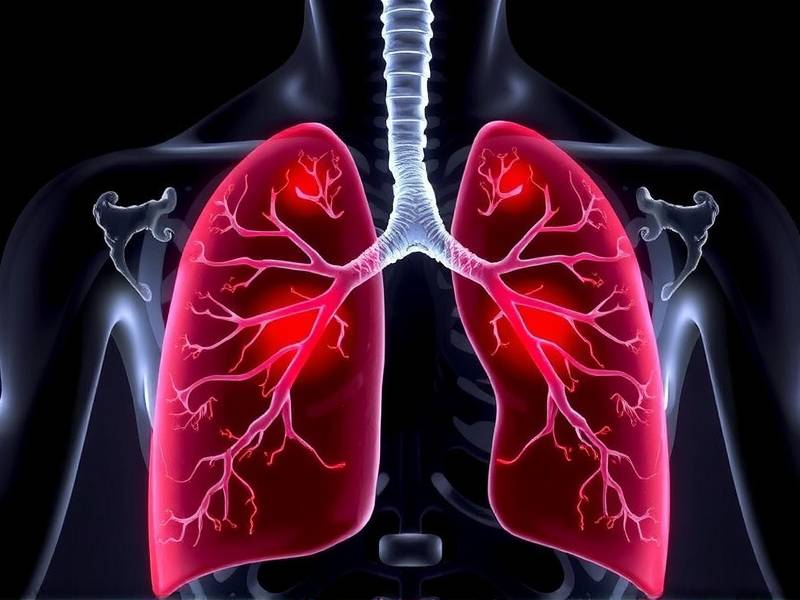
Cilia Rebound: One of the first changes you'll notice is the return of cilia—hair-like structures that line your airways. These cilia help to move mucus and trapped particles out of your lungs. Within days after quitting, these cilia start to regain their function, which can lead to an improvement in breathing.
-
Decreased Inflammation: Inflammation is a key component in lung damage from smoking. Quitting smoking reduces inflammation significantly within a few weeks after cessation.
-
Improved Oxygen Levels: Your blood oxygen levels start to rise shortly after you quit smoking. This can lead to increased energy levels and improved overall health.
The Medium-Term Healing Process
-
Scarring Reduction: Over time, scar tissue in your lungs begins to break down and be replaced by healthy tissue as you continue not smoking.
-
Bronchial tubes begin to dilate: After several months without tobacco products, bronchial tubes can begin to dilate slightly, which may help with breathing and reduce coughing.
-
Enhanced Lung Function: Within one year of quitting, there is typically an improvement in lung function as measured by spirometry tests.
Long-Term Benefits
-
Reduced Risk of Diseases: Quitting smoking significantly reduces the risk of developing various respiratory diseases like COPD (Chronic Obstructive Pulmonary Disease) or lung cancer.
-
Increased Life Expectancy: Long-term quitters can expect an increased life expectancy compared to those who continue smoking.
Conclusion: The journey towards healthier lungs post-quitting smoking is both fascinating and rewarding. While it's true that some damage may be irreversible, quitting provides your body with a chance for significant healing and improvement in lung function. By making this life-changing decision, you're not just improving your health but also setting a powerful example for others seeking a smoke-free life.