
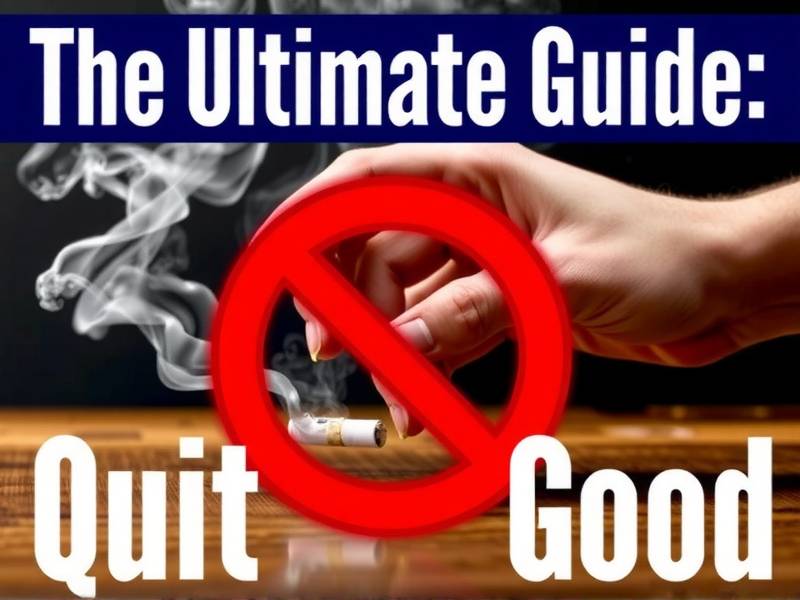
The Ultimate Guide: How to Finally Quit Smoking for Good
Introduction
The journey to quit smoking is a challenging one, but it's a path that leads to better health, improved well-being, and a brighter future. Whether you've tried and failed before or are just starting out, this guide will provide you with the knowledge, strategies, and support needed to finally kick the habit for good.
Understanding the Challenge
The Psychological Aspect
One of the primary reasons people struggle to quit smoking is the psychological dependence on nicotine. Nicotine is a highly addictive substance that affects the brain's reward system, making it difficult to resist cravings.
The Physical Consequences
Smoking also has severe physical consequences. It increases the risk of heart disease, stroke, cancer, and respiratory problems. Recognizing these risks can be a powerful motivator for quitting.
Preparing for Your Quit Date
Setting Realistic Goals
Before you quit, set realistic goals. Trying to quit cold turkey might not work for everyone. Consider setting smaller milestones or using nicotine replacement therapy (NRT) like patches or gum as a stepping stone.
Gathering Resources
Collect all the resources you'll need in advance. This includes books on quitting smoking, support groups online or in your community, and any medications you might be prescribed by your doctor.
Strategies for Success
Building a Support Network
Tell friends and family about your decision to quit. They can offer encouragement and hold you accountable. Joining an online forum or support group can also provide additional support.
Developing Coping Mechanisms
Identify situations that trigger your urge to smoke and prepare alternative coping mechanisms. This could be going for a walk, practicing deep breathing exercises, or engaging in other activities that distract you from cravings.
Overcoming Cravings and Triggers
Managing Cravings
When cravings hit, distract yourself with an activity that keeps your mind off smoking. Eating healthy snacks high in fiber can also help reduce cravings by keeping your stomach busy.
Identifying Triggers
Be aware of situations that may trigger your desire to smoke. These could include social events, stress at work, or even certain smells like coffee or perfume. Plan how you'll handle these triggers before they arise.
Staying Motivated
Celebrating Milestones
Reward yourself for each milestone along the way. Whether it's reaching one week smoke-free or making it through a particularly tough day without smoking, recognize your progress.
Reminding Yourself of Benefits
Regularly remind yourself of the benefits of quitting smoking—improved health outcomes, increased lifespan, and more money in your pocket from not buying cigarettes.
Utilizing Modern Tools and Technologies
In recent years, technology has become an invaluable tool in helping people quit smoking. Here are some modern tools that might help:

- Smartphone Apps: There are numerous apps designed to help smokers quit by providing motivational messages, tracking progress, and offering tips.
- E-cigarettes: While not without controversy, e-cigarettes have been used by some smokers as a transitional aid.
- Online Coaching: Consider working with an online coach who can provide personalized guidance throughout your journey.
Conclusion: Your Journey Awaits You!
Quitting smoking is not easy; it requires dedication and perseverance. However, with the right strategies and support systems in place—combined with personal commitment—you can achieve success. Remember that every attempt brings you closer to becoming smoke-free forever!