
How to Repair Your Lungs After You Quit Smoking: A Guide to a Healthy Recovery
How to Repair Your Lungs After You Quit Smoking: A Guide to a Healthy Recovery
Introduction: Quitting smoking is a significant step towards a healthier life. However, the journey of recovery doesn't end with the last puff. Your lungs may have suffered damage over the years, but there are ways to repair and rejuvenate them. This guide will provide you with essential steps and information to help you on your path to a healthy recovery after quitting smoking.
-
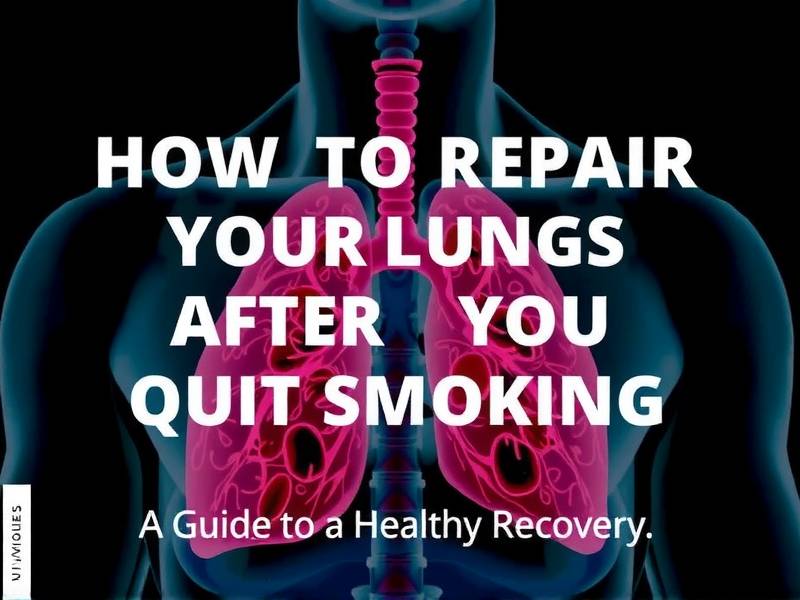
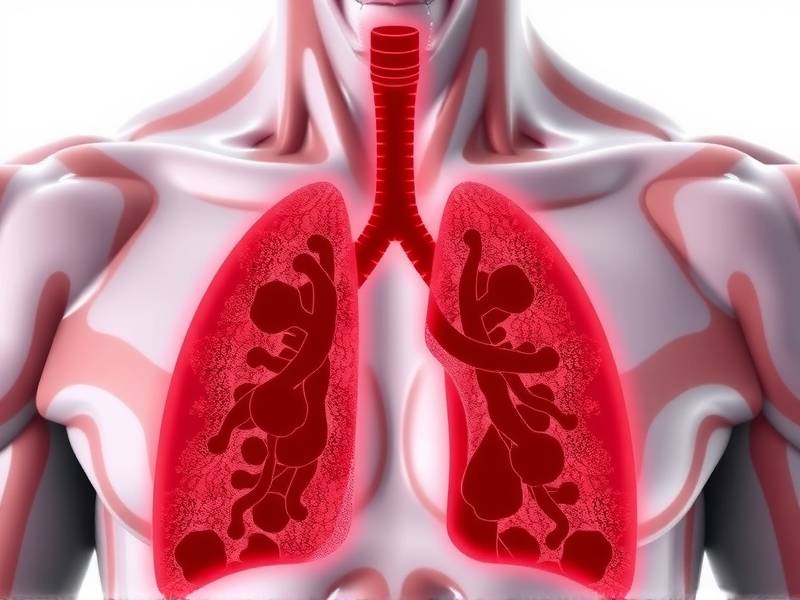
Understanding Lung Damage: It's crucial to understand the extent of lung damage caused by smoking. Carbon monoxide replaces oxygen in your blood, leading to reduced oxygen supply to vital organs. Tar and other chemicals irritate the lungs, causing inflammation and scarring. By recognizing the damage, you can take proactive measures for recovery.
-
Seek Professional Help: Consulting healthcare professionals is essential in your journey towards lung repair. A doctor can provide personalized advice, conduct necessary tests, and recommend treatments tailored to your specific needs.
-
Adopt a Healthy Lifestyle: A healthy lifestyle complements your quit-smoking efforts and aids in lung repair. Incorporate these habits into your daily routine:
a) Exercise Regularly: Physical activity improves lung capacity and promotes overall well-being. b) Maintain a Balanced Diet: A diet rich in fruits, vegetables, lean proteins, and whole grains provides essential nutrients for lung repair. c) Stay Hydrated: Drinking plenty of water helps eliminate toxins from your body.
-
Use Nicotine Replacement Therapy (NRT): NRT can help alleviate withdrawal symptoms and reduce cravings while you focus on repairing your lungs. Options include nicotine gum, patches, lozenges, inhalers, or nasal sprays.
-
Practice Deep Breathing Exercises: Deep breathing exercises can enhance lung function and aid in clearing mucus from the respiratory tract. Techniques like diaphragmatic breathing or pursed-lip breathing can be beneficial.
-
Consider Pulmonary Rehabilitation Programs: Pulmonary rehabilitation programs combine exercise training with education about managing chronic respiratory conditions like COPD or asthma due to smoking-related damage.
-
Monitor Your Progress: Regular check-ups with your healthcare provider will help track your progress in repairing your lungs after quitting smoking.
Conclusion: Repairing damaged lungs after quitting smoking requires patience, dedication, and a holistic approach towards health and well-being. By following this guide and seeking professional advice when needed, you can take significant strides towards restoring optimal lung function and enjoying a healthier life free from tobacco smoke's harmful effects. Remember that every puff counts; quitting smoking today is an investment in your future health!