
How to Improve Breathing After Quitting Smoking: Tips and Exercises for Better Health
"How to Improve Breathing After Quitting Smoking: Tips and Exercises for Better Health"
Introduction: Quitting smoking is a significant step towards a healthier lifestyle, but it can also bring challenges, especially in terms of breathing. The good news is that there are various strategies and exercises you can incorporate into your routine to improve breathing after quitting smoking. This article will provide you with practical tips and exercises to enhance your respiratory health.
Understanding the Impact of Smoking on Breathing
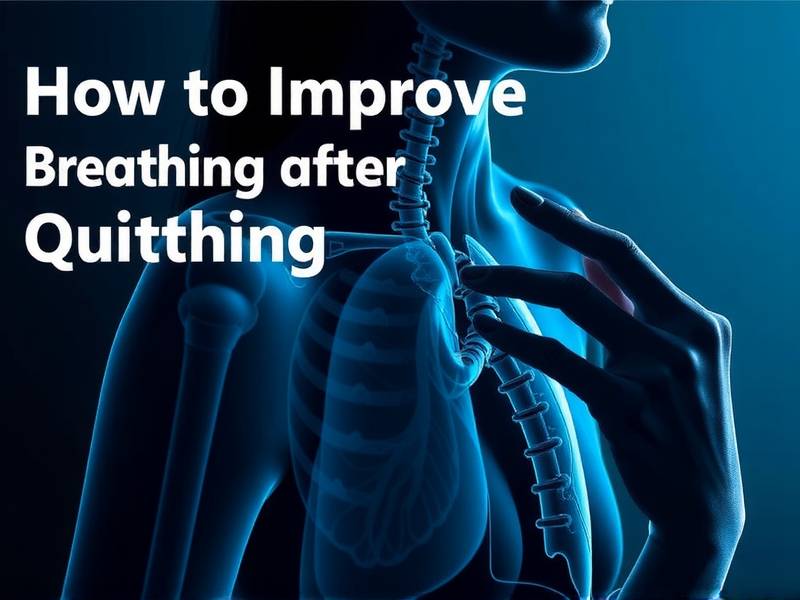
Smoking damages the lungs and respiratory system over time, leading to decreased lung capacity and impaired oxygen exchange. When you quit smoking, your body begins to repair itself, but it may take time for your breathing to improve fully.
Tips for Improving Breathing After Quitting Smoking
- Stay Hydrated: Drinking plenty of water helps maintain healthy lung function and aids in the elimination of toxins from your body.
- Avoid Exposure to Pollutants: Limit exposure to secondhand smoke, dust, pollen, and other irritants that can exacerbate respiratory issues.
- Maintain a Healthy Weight: Being overweight can increase the workload on your lungs; losing weight if necessary can help improve breathing.
- Practice Deep Breathing Exercises: Deep breathing exercises can increase lung capacity and promote relaxation.
Deep Breathing Exercises for Improved Respiration
- Pursed Lip Breathing: Inhale through your nose for four seconds, then exhale slowly through pursed lips as if whistling. Repeat this cycle 10 times.
- Diaphragmatic Breathing: Lie on your back with one hand on your chest and the other on your abdomen. Inhale deeply through your nose while allowing your abdomen to rise; exhale slowly through pursed lips while pressing gently on the abdomen.
- Standing Chest Expansion: Stand up straight with hands at shoulder height, interlaced behind the head or clasped together in front of you. Inhale deeply through your nose while pushing out your chest; exhale slowly through pursed lips.
Incorporating Exercise into Your Routine
Regular exercise is crucial for improving lung function after quitting smoking. Activities like walking, cycling, swimming, or yoga can help enhance respiratory health.
Seek Professional Guidance
If you experience persistent respiratory issues after quitting smoking, consult a healthcare professional who can provide personalized advice and treatment options.
Conclusion:
Improving breathing after quitting smoking is possible with dedication and persistence. By incorporating these tips and exercises into your daily routine, you'll be well on your way to enhanced respiratory health and overall well-being.
Remember that quitting smoking is a journey worth celebrating – take pride in each step towards better health!