
How Long Do Gums Bleed After Quitting Smoking? The Truth You Need to Know
How Long Do Gums Bleed After Quitting Smoking? The Truth You Need to Know
Introduction: Quitting smoking is a significant step towards a healthier life, but it can come with various challenges and side effects. One common concern among smokers who have recently quit is the issue of gum bleeding. In this article, we will explore how long gums may bleed after quitting smoking and provide you with the truth you need to know.
Understanding Gum Bleeding: Gum bleeding is a common symptom experienced by many individuals who quit smoking. This occurs due to the damage caused by nicotine to the gums and other oral tissues. When you stop smoking, your body begins to heal, but it takes time for the gums to recover.
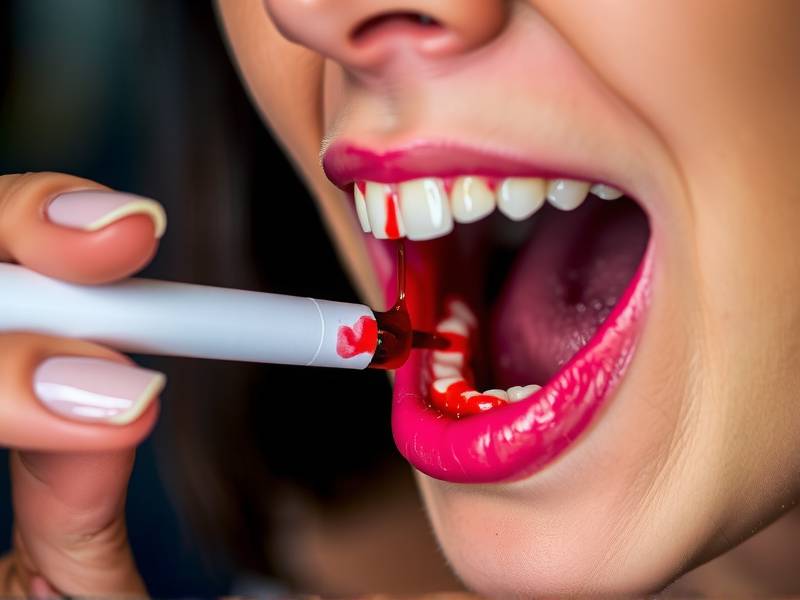
How Long Does Gum Bleeding Last? The duration of gum bleeding after quitting smoking can vary from person to person. Generally, gum bleeding may last from a few days to several weeks. However, in some cases, it can persist for up to three months.
Factors Affecting Gum Bleeding Duration: Several factors can influence how long gums bleed after quitting smoking:
- Severity of Gum Disease: If you have pre-existing gum disease or severe inflammation, it may take longer for your gums to heal and stop bleeding.
- Duration of Smoking: The longer you have smoked, the more damage may have been done to your gums, resulting in prolonged bleeding.
- Overall Health: Your overall health and immune system play a role in the healing process. A strong immune system can help reduce healing time.
- Oral Hygiene: Maintaining good oral hygiene practices, such as brushing twice a day and using mouthwash, can aid in reducing gum bleeding.
Tips for Managing Gum Bleeding: To manage gum bleeding after quitting smoking, consider the following tips:
- Gentle Brushing: Use a soft-bristled toothbrush and gentle pressure while brushing your teeth.
- Avoid Aggressive Flossing: Be gentle while flossing around the affected areas.
- Use Oral Hygiene Products: Choose products specifically formulated for sensitive gums or those with soothing ingredients.
- Stay Hydrated: Drinking plenty of water helps maintain oral health and promotes healing.
Seek Professional Help: If gum bleeding persists beyond three months or becomes severe, it is advisable to seek professional help from a dentist or periodontist. They can assess your condition and provide appropriate treatment options.

Conclusion: Gum bleeding is a common concern among individuals who quit smoking due to the damage caused by nicotine. While it may last from a few days to several weeks, maintaining good oral hygiene practices and seeking professional help if needed can aid in managing gum bleeding effectively. Remember that quitting smoking is a positive step towards better health, and taking care of your oral hygiene is crucial during this process.
Note: The information provided in this article should not substitute professional medical advice. It is always recommended to consult with healthcare professionals for personalized guidance regarding your health concerns.