
Are Chest Pains Normal 2 Weeks After Quitting Smoking?
Understanding Chest Pains After Quitting Smoking: A Comprehensive Guide
Introduction: Quitting smoking is a significant step towards improving your health, but it can also bring about various challenges, including unexpected physical symptoms. One common query among former smokers is whether chest pains are normal two weeks after quitting smoking. This article aims to provide a detailed understanding of this issue, exploring the possible causes and what you can do to alleviate these symptoms.
What Are Chest Pains?
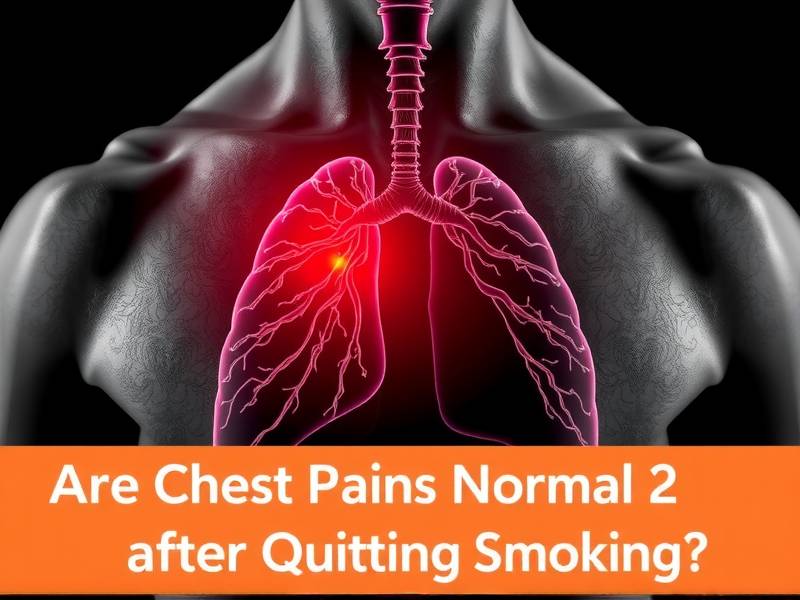
Chest pain refers to any discomfort or pain in the chest area. It can range from a mild ache to severe sharp pain and may be accompanied by other symptoms such as shortness of breath, nausea, or dizziness.
It is not uncommon for individuals who have recently quit smoking to experience chest pains. This is often due to the body's adjustment to the absence of nicotine and other harmful substances found in cigarettes.
Possible Causes of Chest Pains After Quitting Smoking:
- Nicotine Withdrawal: The body's withdrawal from nicotine can cause various physical symptoms, including chest pain.
- Increased Heart Rate: When you quit smoking, your heart rate may increase as your body tries to adjust to the absence of nicotine.
- Muscle Strain: Stress or anxiety related to quitting smoking may lead to muscle strain, which can cause chest pain.
- Reflux Disease: Acid reflux disease (GERD) can sometimes cause chest pain due to stomach acid backing up into the esophagus.
When Should You Seek Medical Attention?
While most cases of chest pain after quitting smoking are minor and resolve on their own, it is essential to seek medical attention if you experience any of the following:
- Sudden and severe chest pain
- Shortness of breath
- Persistent coughing
- Pain that radiates down one or both arms
Tips for Alleviating Chest Pains After Quitting Smoking:
- Stay Hydrated: Drinking plenty of water helps flush out toxins from your body.
- Exercise Regularly: Physical activity can help reduce stress and improve heart health.
- Practice Relaxation Techniques: Techniques such as deep breathing, meditation, and yoga can help manage anxiety and stress.
- Maintain a Healthy Diet: A balanced diet rich in fruits, vegetables, whole grains, and lean proteins can support overall health.
Conclusion:

Chest pains two weeks after quitting smoking are not uncommon but usually resolve on their own within a few days or weeks. If you experience persistent or severe chest pain after quitting smoking, it is essential to consult with a healthcare professional for proper evaluation and treatment.
Remember that quitting smoking is a significant achievement worth celebrating. By addressing any concerns that arise during this transition period, you'll be better equipped to maintain your newfound healthy lifestyle.