
Can Your Lungs Really Recover After Quitting Smoking?
The Power of Quitting: A Journey to Lung Recovery
Quitting smoking is a monumental decision that can transform not just one's health, but also the functionality of their lungs. The question that often lingers in the minds of smokers is, "Can my lungs really recover after quitting smoking?" The answer is a resounding yes, and this article delves into the remarkable process of lung recovery post-cessation.
The Immediate Impact of Quitting
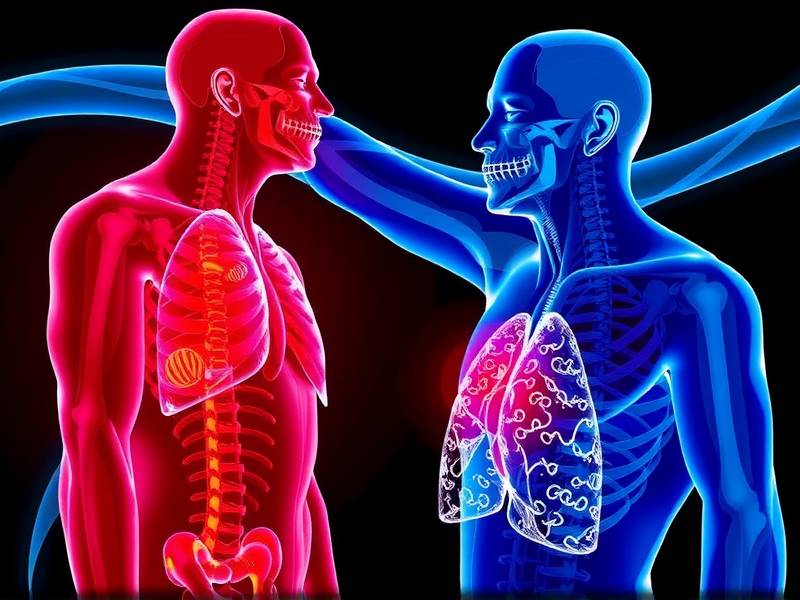
When you quit smoking, your body begins an immediate healing process. Within just 20 minutes after your last cigarette, your heart rate and blood pressure start to drop. Within 48 hours, your sense of taste and smell begin to improve as the nicotine leaves your system.
Long-Term Recovery: A Step-by-Step Guide
1. Cleaning Out the Lungs
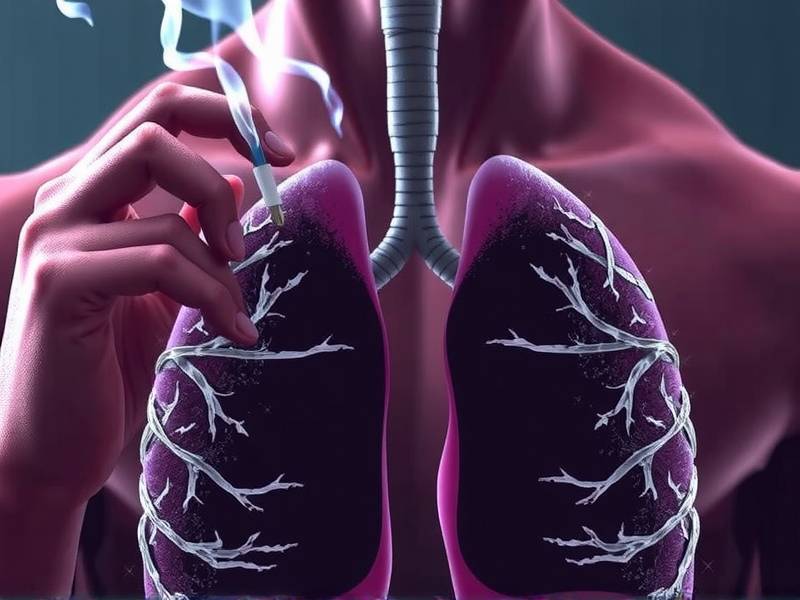
In the first few weeks after quitting, your lungs start to clear out the mucus and debris that have accumulated from years of smoking. This can lead to a cough as your body tries to expel these harmful substances.
2. Improved Oxygen Supply
Within three months, your lung capacity improves significantly. Your lungs are better at oxygenating your blood, leading to increased energy levels and a general sense of well-being.
3. Reduction in Inflammation
Over time, the inflammation caused by smoking diminishes. This can lead to a decrease in chronic coughs and wheezing that are common symptoms for smokers.
4. Decreased Risk of Diseases
Within five years of quitting, the risk of stroke decreases by almost half. Ten years later, the risk of lung cancer is cut by about half compared to continuing smokers.
Emerging Research on Lung Regeneration
Recent studies have shown that there might be more to lung recovery than meets the eye. Researchers are exploring how stem cells could potentially regenerate damaged lung tissue in former smokers. While this is still in its early stages, it offers hope for those who have smoked for many years.
Tips for Successful Quitting
- Seek Support: Joining support groups or seeking counseling can provide you with motivation and coping strategies.
- Nicotine Replacement Therapy (NRT): Products like patches, gum, or lozenges can help reduce withdrawal symptoms.
- Stay Active: Regular exercise improves lung function and helps maintain a healthy weight.
- Avoid Triggers: Stay away from places where you're likely to be tempted to smoke.
Conclusion: A Path to Better Health
The journey towards lung recovery after quitting smoking is not only possible but also incredibly rewarding. Your lungs have an incredible capacity for healing, and with determination and support, you can embark on this transformative path towards better health.
Remember, every puff counts – both when you're smoking and when you're trying to quit. By taking that first step away from tobacco, you're not just improving your health; you're giving your lungs a second chance at life.