
Does Your Lung Really Heal After You Quit Smoking?
"The Miraculous Recovery of Your Lungs: Unveiling the Truth After Quitting Smoking"
Introduction: The journey to quit smoking is a challenging yet rewarding endeavor. Many smokers are eager to know if their lungs can truly heal after giving up the habit. This article delves into the fascinating process of lung recovery, offering insights and hope for those who have taken the crucial step towards a healthier life.
Section 1: Understanding Lung Damage from Smoking Smoking is a leading cause of lung disease, including chronic obstructive pulmonary disease (COPD), emphysema, and lung cancer. The harmful chemicals in cigarettes damage the delicate structures of the lungs, leading to inflammation and scarring.
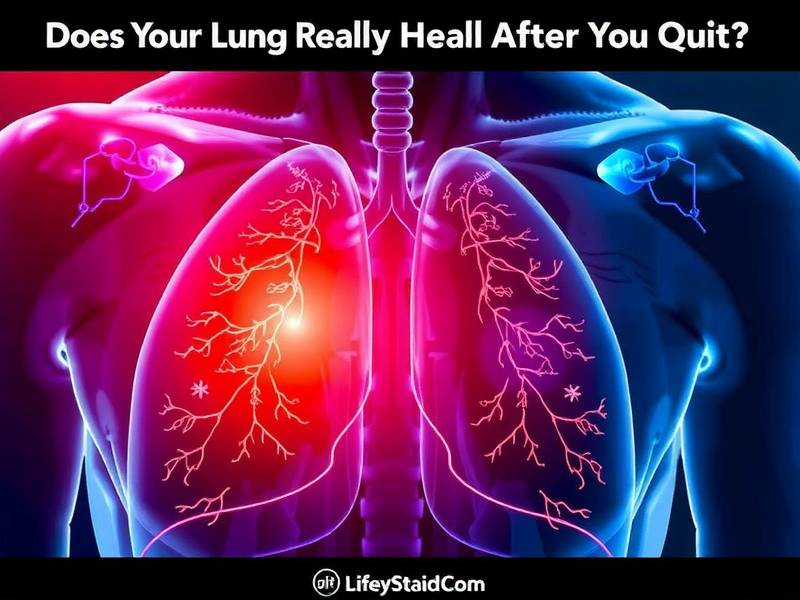
Subsection 1.1: The Impact of Tar and Nicotine Tar, one of the most harmful substances in cigarettes, coats the lungs, causing irritation and inflammation. Nicotine, on the other hand, is an addictive substance that affects lung function by narrowing blood vessels and reducing oxygen supply.
Subsection 1.2: Long-term Effects on Lung Health Continuous smoking over time can lead to irreversible damage in some cases. However, it's essential to remember that even with long-term smoking history, there's still hope for lung recovery.
Section 2: The Healing Process After Quitting Smoking Research shows that within just a few days of quitting smoking, your body begins its healing journey. Let's explore the stages of lung recovery after quitting smoking.
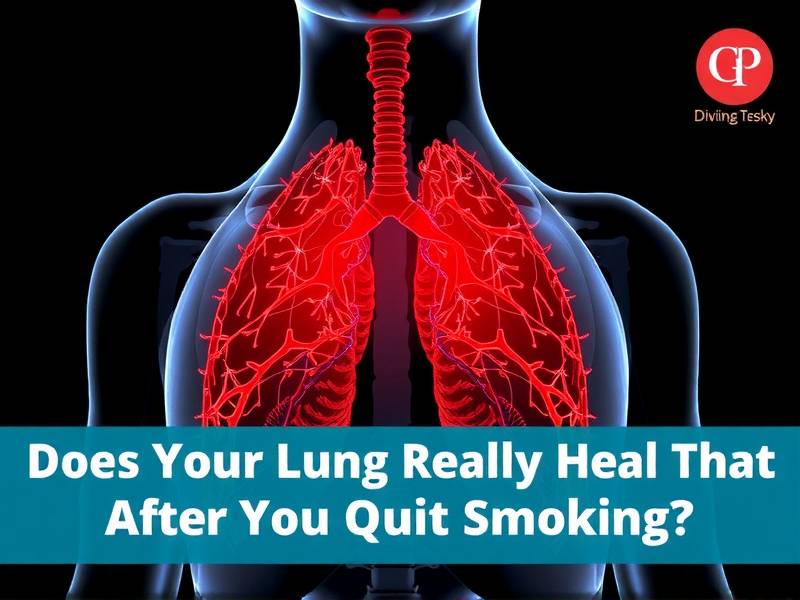
Subsection 2.1: Immediate Benefits Within 48 hours of quitting smoking, your body starts to eliminate nicotine and other harmful chemicals from your system. This process helps improve blood flow and oxygenation throughout your body.
Subsection 2.2: Early Recovery (First Year) During the first year after quitting smoking, you may notice significant improvements in lung function and overall health. Your risk of heart disease decreases, and your sense of taste and smell often improves.
Subsection 2.3: Long-term Recovery (Years) After several years without smoking, your lungs continue to heal further. The risk of developing chronic respiratory diseases decreases significantly compared to those who continue smoking.
Section 3: Supporting Lung Recovery Quitting smoking is just one step towards improving lung health; there are other measures you can take to support your body's healing process:
Subsection 3.1: Regular Exercise Engaging in regular exercise can enhance lung capacity and improve overall cardiovascular health.
Subsection 3.2: Healthy Diet A balanced diet rich in fruits, vegetables, whole grains, lean proteins, and healthy fats can provide essential nutrients for lung repair.
Conclusion: The road to quitting smoking may be tough, but it's worth it when you consider the potential for healing your lungs after giving up this harmful habit. By understanding the stages of lung recovery and adopting healthy lifestyle choices, you can embrace a healthier future with renewed hope for your respiratory well-being.