
How Does Quitting Smoking Help Improve the Condition of Existing Cataracts?
Unveiling the Health Benefits: How Quitting Smoking Can Aid in Cataract Management
Introduction: Cataracts, a common eye condition affecting millions of people worldwide, can lead to blurred vision and, in severe cases, blindness. While various treatments exist, quitting smoking has emerged as a crucial lifestyle change that can significantly improve the condition of existing cataracts. This article delves into how smoking cessation can aid in managing cataracts and promotes better eye health.
Understanding Cataracts: The Basics

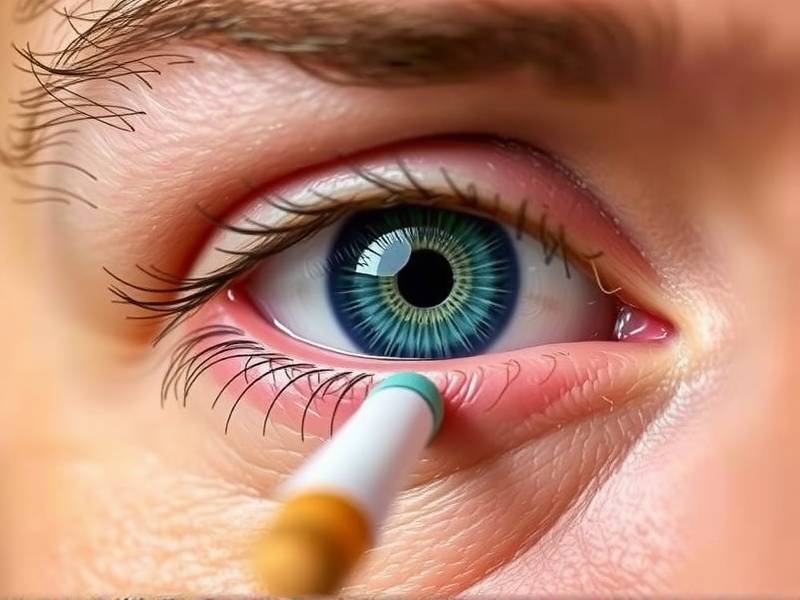
Cataracts occur when the lens of the eye becomes cloudy, obstructing light from passing through to the retina. This leads to blurred vision and other visual impairments. While age is a primary risk factor for cataracts, smoking has been identified as a significant contributor to their development and progression.
The Impact of Smoking on Cataract Progression
Numerous studies have shown that smoking not only increases the risk of developing cataracts but also accelerates their progression. The harmful chemicals present in cigarettes, such as tar and nicotine, cause oxidative stress within the eye's lens. This oxidative stress leads to the accumulation of protein deposits, contributing to cloudiness and worsening vision.
How Quitting Smoking Can Help
-
Slowing Down Cataract Progression: By quitting smoking, individuals can significantly slow down the progression of existing cataracts. Reducing exposure to harmful chemicals decreases oxidative stress and protein deposits in the lens.
-
Improved Vision: As cataracts progress, vision becomes increasingly impaired. Quitting smoking can help improve vision by reducing the severity of cataract-related symptoms.
-
Long-Term Eye Health: Smoking cessation not only aids in managing existing cataracts but also contributes to overall eye health by reducing the risk of other age-related eye diseases such as macular degeneration.
Tips for Successful Smoking Cessation
Quitting smoking is challenging, but several strategies can increase your chances of success:
- Seek Support: Consult with healthcare professionals or join support groups for guidance and motivation.
- Identify Triggers: Recognize situations that trigger your urge to smoke and plan alternative activities or coping mechanisms.
- Consider Medications: Some individuals may benefit from prescription medications or nicotine replacement therapies.
- Stay Motivated: Set realistic goals and remind yourself of the health benefits you will achieve by quitting.
Conclusion: Quitting smoking is a vital step towards managing existing cataracts and improving overall eye health. By reducing oxidative stress within the lens, smokers can slow down cataract progression and potentially improve their vision. Embrace this positive change for a healthier future!