
How to Increase Lung Capacity After Quitting Smoking
Enhancing Lung Capacity Post-Quitting Smoking: A Comprehensive Guide
Introduction: The journey to quit smoking is a commendable one, but it's not just about breaking the habit; it's also about taking steps towards a healthier life. One significant aspect of this transformation is improving lung capacity. In this article, we'll explore various strategies and techniques to enhance lung function after quitting smoking.
Section 1: Understanding the Impact of Smoking on Lung Capacity
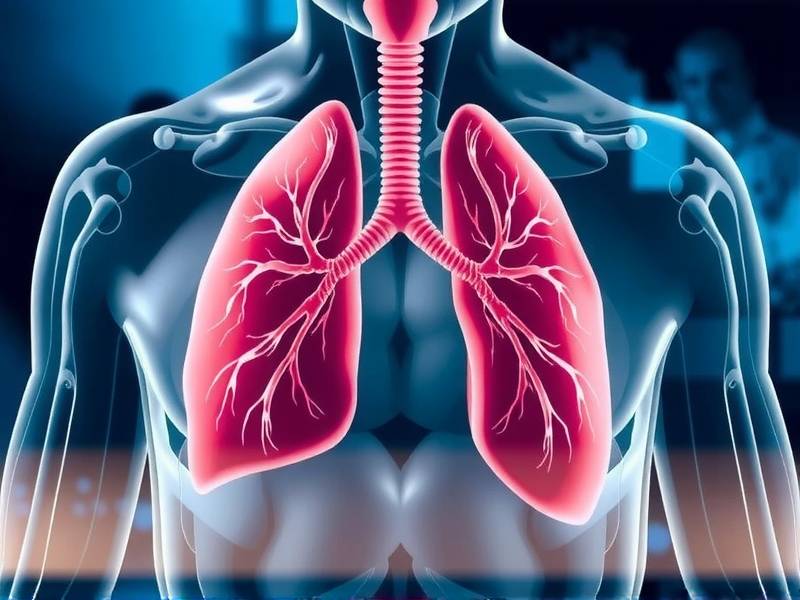
Subheading: How Smoking Impairs Lung Function
Smoking not only damages your lungs but also reduces their capacity to expand and contract efficiently. The harmful chemicals in cigarettes cause inflammation, scarring, and narrowing of the airways, leading to decreased lung capacity.
Subheading: The Importance of Lung Capacity
Lung capacity is crucial for overall health as it affects how well you can breathe and exercise. Improving lung capacity can lead to better oxygenation of the body's tissues, increased energy levels, and enhanced physical performance.
Section 2: Strategies for Enhancing Lung Capacity After Quitting Smoking
Subheading: Regular Exercise
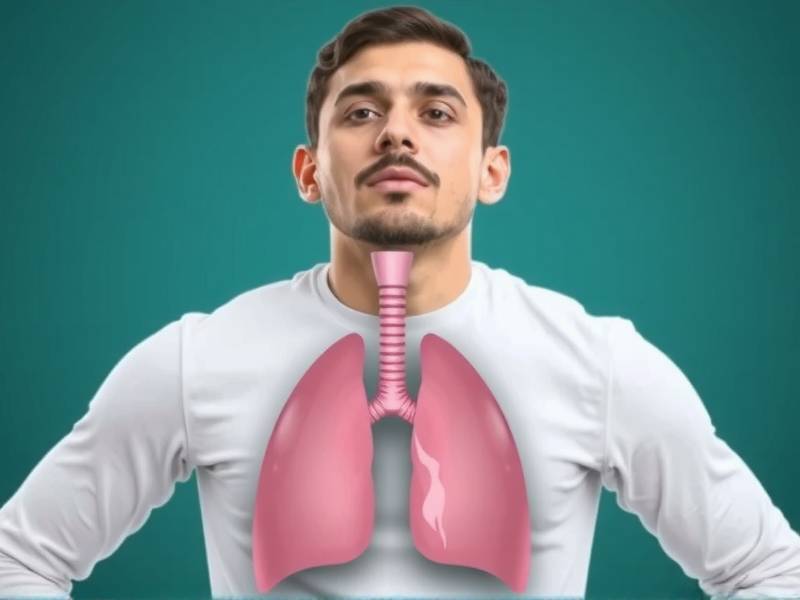
Regular physical activity is essential for improving lung capacity. Engaging in activities like walking, running, cycling, or swimming can help strengthen your respiratory muscles and increase lung volume.
Subheading: Breathing Exercises
Breathing exercises are specifically designed to improve lung function. Practices like diaphragmatic breathing, pursed-lip breathing, and deep breathing exercises can help expand your lungs and increase their capacity.
Subheading: Avoiding Environmental Pollutants
Exposure to environmental pollutants such as dust, smoke, and allergens can further damage your lungs. Take steps to minimize exposure by using air purifiers at home, avoiding crowded places with poor ventilation, and wearing masks when necessary.
Section 3: Foods that Support Lung Health
Subheading: Antioxidant-Rich Foods
Foods high in antioxidants can help reduce oxidative stress on your lungs. Incorporate fruits like berries, grapes, and apples into your diet along with vegetables like spinach and kale.
Subheading: Omega-3 Fatty Acids
Omega-3 fatty acids are known for their anti-inflammatory properties. Foods rich in omega-3s include fatty fish (like salmon), flaxseeds, chia seeds, and walnuts.
Section 4: Monitoring Your Progress
Subheading: Using a Peak Flow Meter
A peak flow meter is a device that measures how much air you can exhale in one second. Using it regularly can help you track your progress in improving lung capacity.
Conclusion: Improving lung capacity after quitting smoking is a gradual process that requires dedication and persistence. By incorporating these strategies into your lifestyle, you'll be well on your way to breathing easier and enjoying better health. Remember that quitting smoking is the first step towards a healthier life; let's make every effort to enhance our lung function as we embark on this journey together!