
Do Your Lungs Really Clear Up After Quitting Smoking?
Unveiling the Truth: Do Your Lungs Really Clear Up After Quitting Smoking?
Introduction: Smoking has been a widely debated topic, with many individuals seeking answers about the impact of quitting on their health. One of the most common questions is whether your lungs truly clear up after you quit smoking. In this article, we will explore the science behind this question and provide insights into the recovery process of your lungs after quitting smoking.
I. The Immediate Impact of Quitting Smoking on Lungs
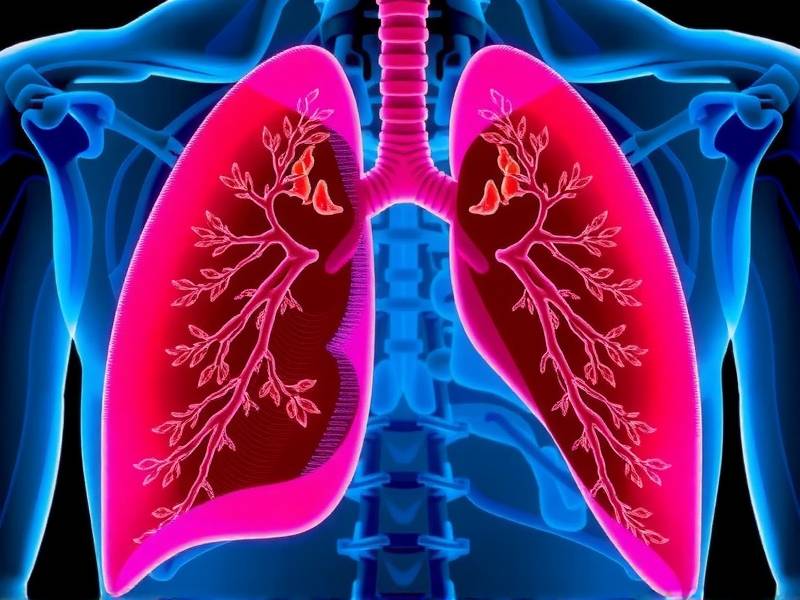
When you quit smoking, your lungs begin to heal almost immediately. The first few days are crucial as your body starts to rid itself of harmful toxins. Here's what happens:
A. Reduction in Carbon Monoxide Levels Within 48 hours of quitting, carbon monoxide levels in your blood drop to normal, increasing the oxygen supply to your body and brain.
B. Improved Cilia Function Cilia are tiny hair-like structures in your lungs that help trap and remove mucus and debris. Within a few weeks after quitting, cilia start to regain their normal function, enhancing lung cleanliness.
II. Long-term Recovery Process
While immediate improvements can be observed within days of quitting, it takes time for your lungs to fully recover from years of smoking damage.
A. Decreased Risk of Chronic Obstructive Pulmonary Disease (COPD) Quitting smoking significantly reduces the risk of developing COPD, a progressive lung disease characterized by breathing difficulties.
B. Improved Lung Capacity After several years of not smoking, many individuals notice an improvement in their lung capacity and breathing efficiency.
C. Reduced Risk of Other Health Complications Continued abstinence from smoking decreases the risk of heart disease, stroke, and other smoking-related health issues.
III. Factors Affecting Lung Recovery
It's important to note that lung recovery varies from person to person due to several factors:
A. Duration and Intensity of Smoking Longer-term smokers may require more time for their lungs to recover compared to those who smoked for a shorter duration or less frequently.
B. Genetic Factors Some individuals may have a genetic predisposition that affects how quickly their lungs recover after quitting smoking.
C. Environmental Factors Exposure to secondhand smoke or air pollution can further hinder lung recovery.
Conclusion:
In conclusion, while it may take time for your lungs to fully recover after quitting smoking, it is indeed possible for them to clear up significantly over time. By adopting a smoke-free lifestyle and taking care of your overall health, you can enhance your chances of achieving optimal lung function and reducing the risk of smoking-related diseases.
Remember that every puff counts – so make the decision today to quit smoking for a healthier tomorrow!