
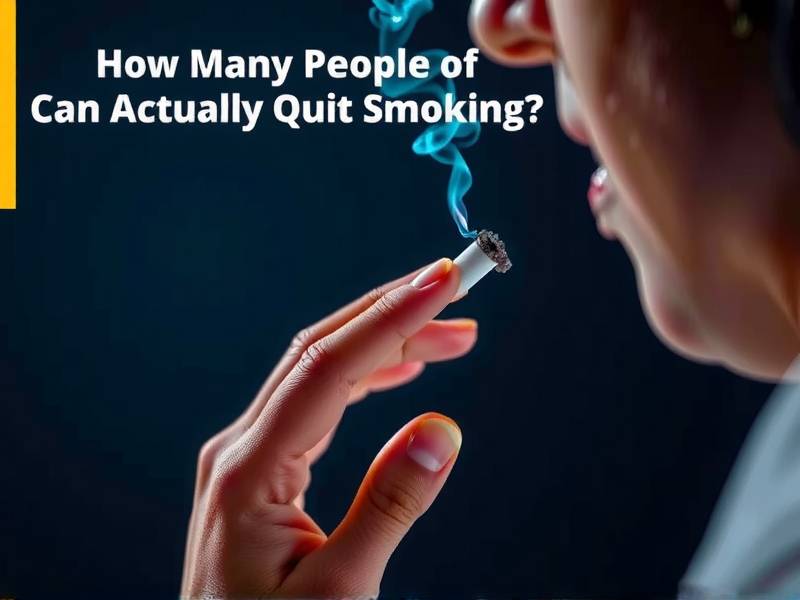
How Many People Can Actually Quit Smoking?
The Reality of Smoking Cessation: How Many People Can Truly Quit?
Introduction: The journey towards quitting smoking is a challenging one, and the question often lingers in the minds of smokers and non-smokers alike: How many people can actually quit smoking? While there is no definitive answer, this article aims to shed light on the factors that influence smoking cessation rates and provide insights into the reality of breaking the habit.
I. The Complexity of Quitting Smoking
-
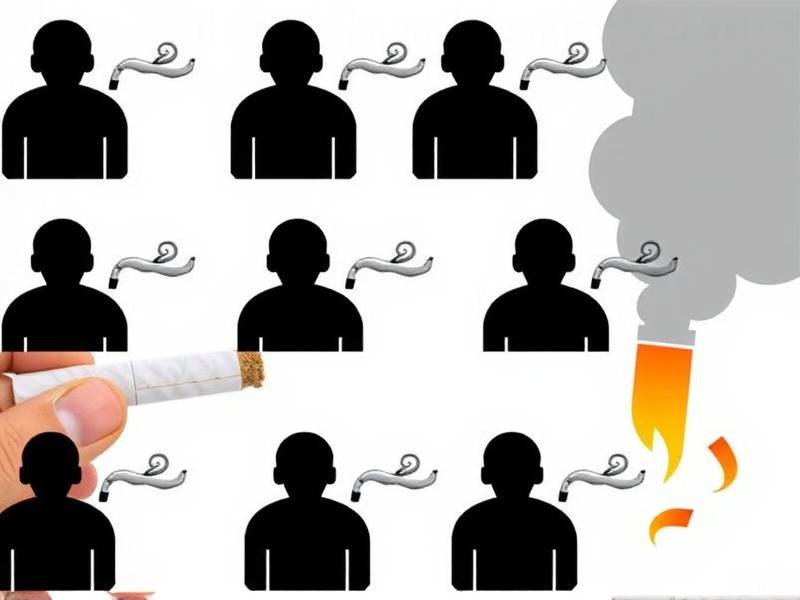
Psychological Factors: Smoking is often associated with stress relief, relaxation, and even pleasure. The psychological aspect plays a significant role in why it is so difficult for individuals to quit. Understanding and addressing these underlying reasons is crucial for successful smoking cessation.
-
Physical Dependency: Nicotine addiction is a powerful force that makes quitting smoking challenging. The physical withdrawal symptoms experienced by smokers can range from mild to severe, depending on the individual's level of dependency.
-
Social and Environmental Influences: Peer pressure, social gatherings, and environmental triggers can make it harder for smokers to quit. Breaking free from these influences requires determination and support.
II. Success Rates in Smoking Cessation
-
National Statistics: According to various studies, the success rate for quitting smoking ranges from 5% to 20% within one year after attempting to quit. However, these figures may not accurately reflect the true potential for quitting as they often include individuals who attempt quitting but do not sustain it long-term.
-
Long-Term Success: Long-term success rates are significantly lower than short-term ones. Only a small percentage of smokers manage to remain smoke-free for five years or more after attempting to quit.
III. Strategies for Successful Smoking Cessation
-
Seek Professional Help: Consulting healthcare professionals such as doctors or therapists can provide personalized guidance and support throughout the quitting process.
-
Utilize Medications: Prescription medications like nicotine replacement therapy (NRT) or non-nicotine medications can help alleviate withdrawal symptoms and increase the chances of successful cessation.
-
Alternative Therapies: Alternative therapies such as acupuncture or hypnotherapy may also aid in smoking cessation by addressing both physical and psychological aspects of addiction.
-
Support Networks: Joining support groups or seeking assistance from friends and family members who understand your struggle can provide emotional support and motivation during challenging times.
IV. The Role of Technology in Smoking Cessation
-
Mobile Apps: Numerous mobile applications are designed to help smokers quit by providing reminders, tracking progress, offering motivational content, and connecting users with support networks.
-
Online Resources: Websites like "QuittingNet" offer comprehensive information on smoking cessation techniques, success stories, expert advice, and access to online communities dedicated to helping individuals quit smoking.
Conclusion:
The question "How many people can actually quit smoking?" does not have a straightforward answer due to its complex nature involving psychological factors, physical dependency, social influences, and individual determination. While success rates may vary widely among individuals, implementing effective strategies such as seeking professional help, utilizing medications or alternative therapies, building a support network, and leveraging technology can significantly improve one's chances of successfully breaking free from the habit. Remember that quitting smoking is a journey worth embarking on for better health and well-being in both the short term and long term