
How Long Does It Take to Stop Coughing Up Mucus After Quitting Smoking?
The Journey to Clear Lungs: How Long Until the Coughing Stops After Quitting Smoking?
Introduction: Quitting smoking is a significant step towards improving one's health, but it often comes with a myriad of challenges. One common issue many ex-smokers face is the persistent cough that brings up mucus. Understanding how long this cough might last can provide hope and reassurance during the quitting journey. In this article, we delve into the factors influencing the duration of this cough and offer insights to help you navigate through this phase.
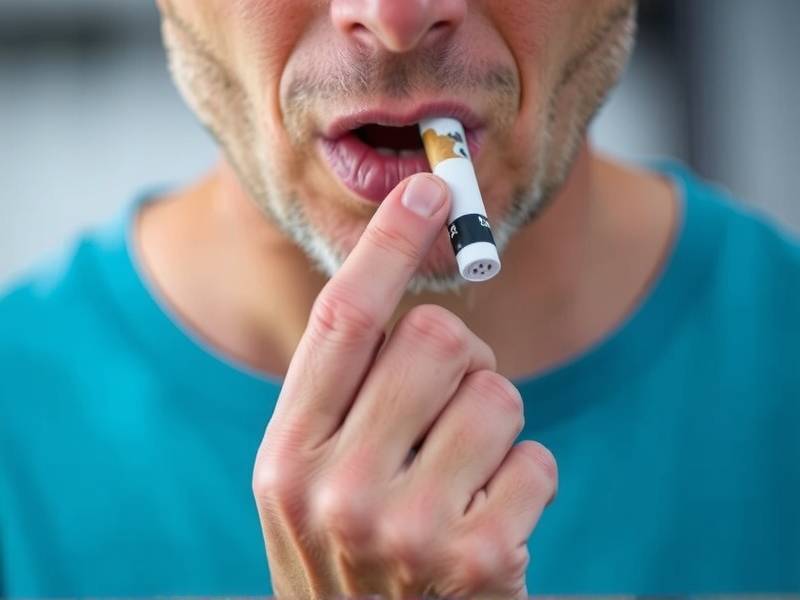
Understanding the Cough The cough that often accompanies quitting smoking is primarily due to the irritation of the respiratory tract. When you smoke, your lungs are exposed to numerous harmful chemicals that cause inflammation and excess mucus production. As you stop smoking, your body starts to heal, but this healing process can be uncomfortable.

Factors Affecting Recovery Time The duration it takes for the cough to subside after quitting smoking can vary widely among individuals. Several factors contribute to this variation:
- Amount of Smoking: The more cigarettes you smoked per day, the longer it might take for your lungs to clear out mucus.
- Duration of Smoking: Longer smoking histories typically mean longer recovery periods.
- Individual Health: Those with pre-existing respiratory conditions may experience a more prolonged cough.
- Environmental Factors: Exposure to secondhand smoke or pollution can exacerbate symptoms.
Timeline for Recovery While there's no one-size-fits-all answer, here's a general timeline that many ex-smokers can expect:
- Immediate Relief: Some may notice an improvement in their cough within a few days of quitting.
- Several Weeks: Many people find that their cough begins to diminish after about two weeks.
- Several Months: For some, it might take up to three months or more for their lungs to fully recover and for the coughing up of mucus to cease.
Tips for Managing Cough Here are some strategies that can help alleviate your cough during this period:
- Stay Hydrated: Drink plenty of water to thin mucus and make it easier to expel.
- Use Humidifiers: Adding moisture to the air in your home can soothe irritated airways.
- Avoid Irritants: Stay away from cigarette smoke, dust, and other irritants that can trigger or worsen your cough.
- Gargle with Salt Water: This natural remedy can help reduce inflammation and clear mucus from your throat.
Conclusion: The journey towards healthier lungs after quitting smoking is unique for each individual. While it might be challenging at times, understanding that improvement is possible provides motivation and hope. By managing symptoms effectively and giving your body time to heal, you'll eventually see a reduction in coughing and an increase in lung function. Remember, every day without a cigarette is a step towards better health.