
Why Do You Get Itchy When You Quit Smoking? The Science Behind the Skin Reaction
Why Do You Get Itchy When You Quit Smoking? The Science Behind the Skin Reaction
Introduction: Quitting smoking is a significant step towards a healthier life, but it's not without its challenges. One common issue that many smokers face during the quitting process is an itchy skin reaction. This article delves into the science behind this skin irritation and provides insights into why it occurs.
-
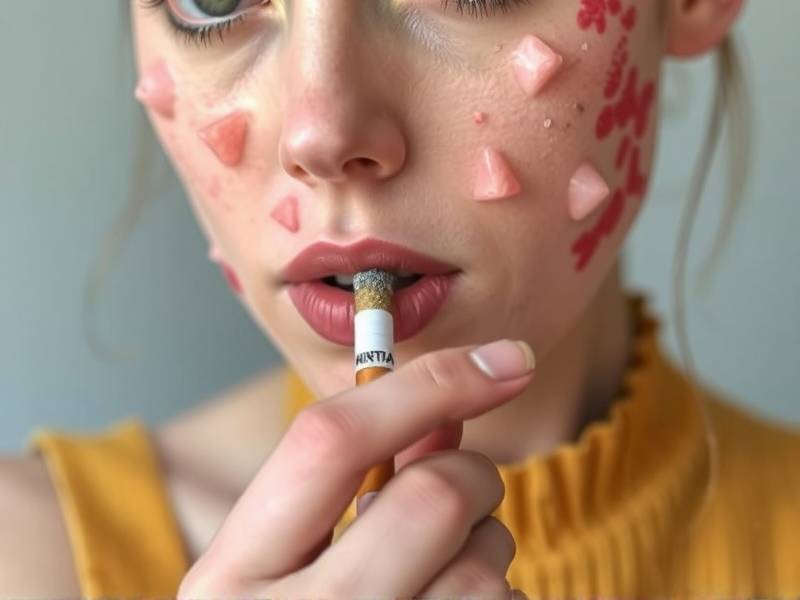
The Role of Nicotine in Skin Health Nicotine, the primary addictive substance in cigarettes, has a profound impact on the body's functions, including skin health. When you smoke, nicotine narrows blood vessels, leading to reduced blood flow and oxygen supply to your skin cells. This can result in dryness, dullness, and an overall lack of vitality.
-
Nicotine Withdrawal and Skin Irritation When you quit smoking, your body begins to detoxify itself from nicotine. During this withdrawal period, your skin may react differently due to the sudden change in nicotine levels. Here are some reasons why you might experience itching:
a) Increased Blood Flow: As your body adjusts to nicotine withdrawal, blood flow to your skin increases. While this is beneficial for overall skin health in the long run, it can initially cause irritation and itching.
b) Dry Skin: Nicotine can cause dehydration of the skin cells due to its vasoconstrictive properties. When you quit smoking, your body may take some time to adjust to increased hydration levels, leading to dryness and itching.
c) Allergic Reactions: Some individuals may experience allergic reactions as their bodies adjust to being nicotine-free. These reactions can manifest as redness, swelling, and itching on the skin.
- Coping with Itchy Skin During Quitting If you're experiencing itchy skin while quitting smoking, here are some tips to help manage this discomfort:
a) Stay Hydrated: Drink plenty of water throughout the day to keep your skin hydrated and reduce itching.
b) Use Gentle Cleansers: Opt for gentle cleansers that won't strip away essential oils from your skin.
c) Apply Moisturizers: Use a moisturizer suitable for your skin type after each shower or bath.
d) Consider Over-the-Counter Creams: Hydrocortisone cream or calamine lotion can provide temporary relief from itching.
e) Consult a Healthcare Professional: If the itching persists or worsens despite these measures, it's advisable to seek medical advice from a healthcare professional.
Conclusion: Quitting smoking is a commendable decision that requires patience and perseverance. Understanding the science behind itchy skin during withdrawal can help you navigate this challenge more effectively. By staying hydrated, using gentle skincare products, and seeking medical advice when needed, you'll be one step closer to achieving a smoke-free life while keeping your skin healthy and irritation-free.