
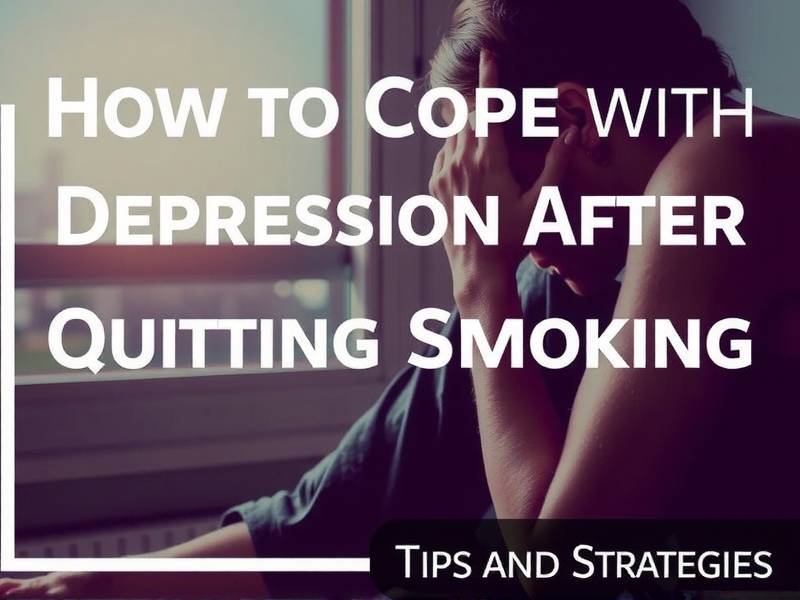
How to Cope with Depression After Quitting Smoking: Tips and Strategies
Navigating the Emotional Journey: Coping with Depression After Quitting Smoking
Introduction: Quitting smoking is a significant step towards a healthier lifestyle, but it can also come with its own set of challenges. One of the most common emotional hurdles faced by former smokers is depression. This article delves into the reasons behind this phenomenon and offers practical tips and strategies to help you cope with depression after quitting smoking.
Understanding the Link Between Smoking and Depression

-
Nicotine as a Temporary Solution: Smokers often turn to nicotine as a coping mechanism for stress and anxiety. When you quit, these feelings can resurface, leading to depression.
-
Withdrawal Symptoms: The physical withdrawal from nicotine can trigger mood swings, irritability, and feelings of sadness or emptiness.
Emotional Recovery: Tips for Managing Depression Post-Quit
-
Seek Professional Help: If depression persists, it's crucial to consult a healthcare professional who can provide appropriate treatment options.
-
Build a Support System: Surround yourself with friends, family, or support groups who understand your journey and can offer encouragement.
-
Establish a Routine: A consistent daily routine can help you manage stress and improve your mood. Include activities that bring you joy or relaxation.
-
Exercise Regularly: Physical activity releases endorphins, which are natural mood lifters. Aim for at least 30 minutes of exercise most days of the week.
-
Mindfulness and Meditation: These practices help reduce stress and promote emotional well-being by keeping your focus on the present moment.
-
Healthy Eating Habits: A balanced diet rich in fruits, vegetables, whole grains, lean protein, and healthy fats can positively impact your mood.
-
Limit Alcohol Consumption: Alcohol is a depressant that can exacerbate feelings of sadness or loneliness when quitting smoking.
-
Practice Self-Care: Make time for activities that nurture your body, mind, and spirit—whether it's reading a book, taking a bath, or spending time in nature.
-
Set Realistic Goals: Set achievable goals to help you stay motivated and track your progress in overcoming depression.
-
Stay Informed: Educate yourself about depression after quitting smoking so you understand what you're going through and how to manage it effectively.
Conclusion:
Coping with depression after quitting smoking is an emotional journey that requires patience and perseverance. By implementing these tips and strategies into your daily life, you'll be better equipped to navigate this challenging phase towards long-term health and happiness. Remember that seeking support from loved ones or professionals is key to overcoming this hurdle on your path to recovery.