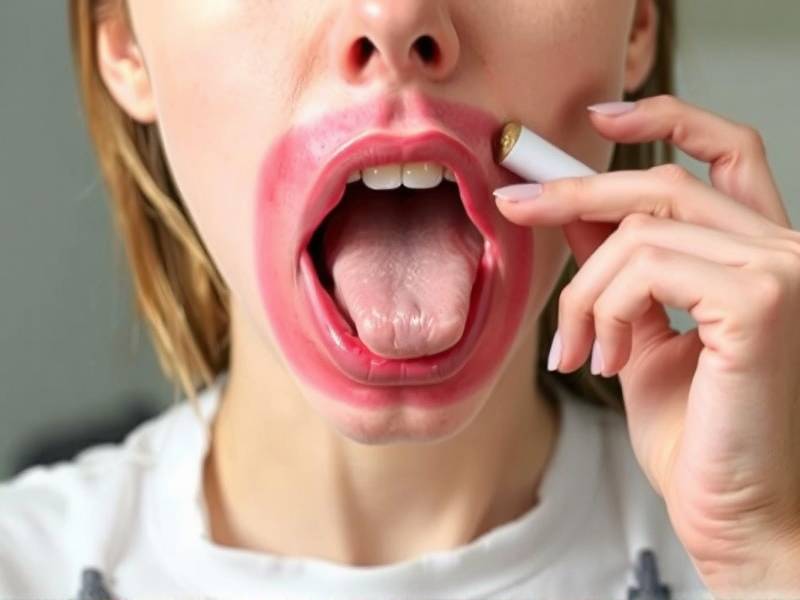
Why Do I Have Mucus After Quitting Smoking?
Understanding the Post-Quitting Smoking Mucus Phenomenon
Introduction: Quitting smoking is a significant step towards a healthier life, but it's not uncommon to experience various withdrawal symptoms. One such symptom that many quitters encounter is the presence of mucus in their throat. In this article, we will delve into why mucus appears after quitting smoking and provide you with insights to alleviate this discomfort.
What is Post-Quitting Smoking Mucus?
Mucus, a thick, sticky substance produced by your body's mucous membranes, plays a crucial role in protecting your respiratory system from irritants and pathogens. When you quit smoking, your body begins to heal itself from the damage caused by tobacco smoke. One of the outcomes of this healing process is an increase in mucus production.
Why Does Quitting Smoking Lead to Increased Mucus Production?
-
Cilia Re-growth: The tiny hair-like structures called cilia in your respiratory tract help move mucus out of your lungs. Smoking damages these cilia, reducing their ability to clear mucus effectively. When you quit smoking, your body starts regrowing healthy cilia, which leads to an increase in mucus production as they try to expel trapped debris and toxins from the lungs.
-
Inflammation Reduction: Tobacco smoke triggers inflammation in your respiratory tract. Quitting smoking helps reduce inflammation, which can also result in increased mucus production as your body works to repair damaged tissues.
-
Glandular Response: The glands in your respiratory tract produce more mucus when exposed to irritants like smoke. As you quit smoking, these glands may continue producing excess mucus until they adjust to the absence of tobacco smoke.
How Can I Manage Post-Quitting Smoking Mucus?
-
Stay Hydrated: Drinking plenty of fluids helps thin out the mucus and makes it easier for you to cough it up.
-
Gargle with Salt Water: Gargling with warm salt water can help soothe your throat and reduce irritation caused by excess mucus.
-
Humidify Your Environment: Using a humidifier can add moisture to the air and make breathing easier for those dealing with increased mucus production.
-
Avoid Irritants: Stay away from secondhand smoke, dust, pollen, and other allergens that can exacerbate your symptoms.
-
Stay Active: Regular exercise improves lung function and helps clear out excess mucus.
Conclusion: While experiencing increased mucus after quitting smoking might be uncomfortable at first, it's a sign that your body is healing itself from years of tobacco exposure. By understanding the reasons behind this phenomenon and taking appropriate measures to manage it, you'll be well on your way to enjoying a healthier life without cigarettes.