
How Long Does It Take to Clear Lungs After Quitting Smoking?
How Long Does It Take to Clear Lungs After Quitting Smoking?
Subheading: Understanding the Journey to Healthier Lungs
Introduction: Quitting smoking is a significant step towards improving one's health. However, many individuals are curious about the timeline for lung recovery post-cessation. This article delves into the factors that influence lung healing and provides insights into how long it takes to clear lungs after quitting smoking.
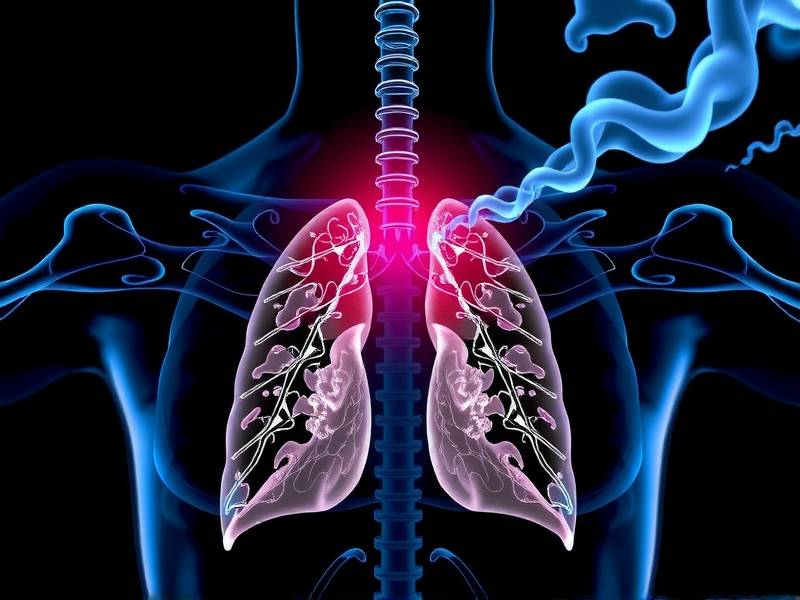
- The Impact of Smoking on Lungs
Smoking causes severe damage to the lungs, leading to various respiratory issues. The primary concern is the accumulation of tar and nicotine, which can cause inflammation, scarring, and impaired lung function. Understanding this damage is crucial in gauging the duration of lung recovery.
- Timeline for Lung Recovery
The timeline for lung recovery after quitting smoking can vary from person to person. Generally, it takes several months to years for the lungs to return to their pre-smoking state. Here's a breakdown of key milestones:
a) Immediate Benefits: Within hours of quitting, carbon monoxide levels in your blood begin to drop, and your heart rate and blood pressure start stabilizing.
b) 1-3 Months: Your breathing improves as your lungs start clearing out mucus and tar buildup. Your immune system also strengthens during this period.
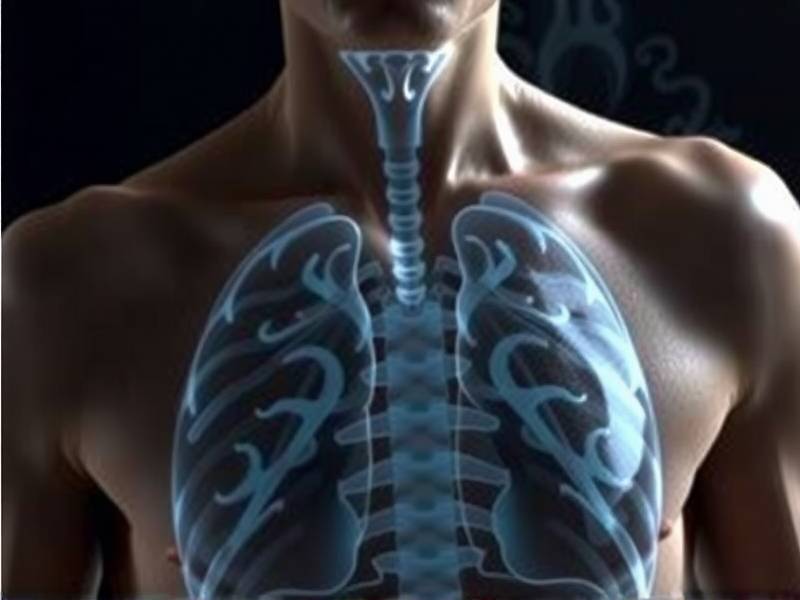
c) 1-9 Months: Coughing decreases as your airways heal, and you may notice improved energy levels.
d) 1 Year: The risk of heart disease starts decreasing as your blood circulation improves.
e) 5 Years: Your risk of stroke drops significantly, and your risk of cancer decreases compared to when you were smoking.
f) 10 Years: Your risk of dying from lung cancer is about half that of a continuing smoker's risk.
- Factors Influencing Lung Recovery
Several factors can affect how quickly your lungs recover after quitting smoking:
a) Duration of Smoking: Longer smoking history may lead to more extensive damage and a longer recovery period.
b) Age: Younger individuals tend to recover faster than older smokers due to better overall health and quicker healing capabilities.
c) Genetic Factors: Some people may have genetic predispositions that affect how quickly their bodies repair lung damage.
d) Environmental Factors: Exposure to secondhand smoke or air pollution can delay recovery.
- Tips for Accelerating Lung Recovery
While you cannot speed up the natural healing process, adopting certain lifestyle changes can support lung recovery:
a) Stay Hydrated: Drinking plenty of water helps thin mucus in the lungs. b) Exercise Regularly: Physical activity enhances circulation and promotes overall well-being. c. Avoid Exposure to Pollutants: Minimize exposure to secondhand smoke, dust, and other irritants. d. Quit Other Habits: Consider giving up other harmful habits like alcohol or excessive caffeine consumption. e. Seek Professional Help if Needed: A healthcare provider can offer guidance on managing symptoms or addressing specific concerns related to lung health.
Conclusion: Quitting smoking is a commendable decision with long-lasting benefits for both physical and mental health. While it may take time for your lungs to recover fully after quitting, understanding the process can help you stay motivated throughout your journey towards better health. Remember that every puff counts – by giving up cigarettes today, you're taking a significant step towards healthier lungs tomorrow.