
Will I Feel Sick When I Quit Smoking?
Understanding the Withdrawal Symptoms: What to Expect When You Quit Smoking
Introduction: Quitting smoking is a significant decision that can lead to numerous health benefits. However, many smokers worry about experiencing withdrawal symptoms, which can sometimes feel like sickness. In this article, we will explore the common symptoms you may encounter when you quit smoking and provide tips on how to manage them effectively.
Common Withdrawal Symptoms:
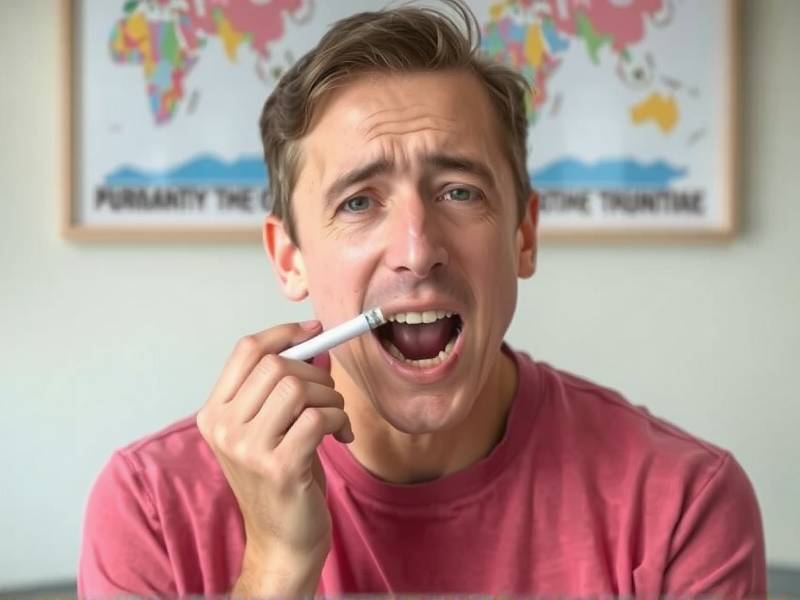
-
Cravings: One of the most common symptoms experienced during withdrawal is cravings for nicotine. These cravings can be intense and challenging to overcome. However, with time and support, you can develop strategies to cope with these urges.
-
Irritability and Mood Swings: Nicotine acts as a stimulant in the body, so when you quit, you may experience irritability and mood swings. These fluctuations are temporary and will gradually diminish as your body adjusts to its new nicotine-free state.
-
Headaches: Headaches are another common symptom of withdrawal. They occur due to changes in brain chemistry caused by the absence of nicotine. Drinking plenty of water, getting enough rest, and staying hydrated can help alleviate headaches.
-
Insomnia: Nicotine acts as a stimulant that can interfere with your sleep patterns. When you quit smoking, you may experience difficulty falling asleep or staying asleep throughout the night. Establishing a relaxing bedtime routine and avoiding caffeine or heavy meals before bed can help improve your sleep quality.
-
Increased Appetite: Quitting smoking often leads to an increased appetite due to changes in metabolism and taste buds sensitivity. To manage this symptom, focus on eating healthy meals and snacks that satisfy your hunger without overindulging.
-
Nervousness or Anxiety: Nicotine has a calming effect on the nervous system, so when you quit, you may feel more anxious or nervous than usual. Engaging in relaxation techniques such as deep breathing exercises or meditation can help alleviate these feelings.
-
Coughing or Sore Throat: The absence of nicotine may cause your body to start healing from years of smoking damage, leading to coughing or sore throat initially. This is a sign that your body is repairing itself and should subside over time.
Managing Withdrawal Symptoms:
-
Seek Support: Joining a support group or seeking guidance from healthcare professionals can provide emotional support and practical advice during your quitting journey.

-
Nicotine Replacement Therapy (NRT): NRT products like gum, patches, lozenges, inhalers, or nasal sprays can help alleviate withdrawal symptoms by providing controlled doses of nicotine without the harmful effects of smoking.
-
Medications: Prescription medications such as bupropion (Zyban) or varenicline (Chantix) have been shown to increase the chances of successful quitting by reducing cravings and withdrawal symptoms.
-
Alternative Strategies: Engage in activities that distract you from cravings, such as chewing gum, exercising regularly, or engaging in hobbies that keep your mind occupied.
Conclusion:
Quitting smoking is challenging but worth it for your health benefits in the long run. Understanding what to expect during withdrawal can help you prepare for these temporary symptoms effectively manage them along the way. Remember that seeking support from friends family healthcare professionals will make this journey easier for you.