
Can Blood Vessels Heal After Quitting Smoking?
Introduction
Smoking is a well-known risk factor for heart disease and other cardiovascular conditions. One of the primary reasons for this is the damage it inflicts on the body's blood vessels. The good news is that many people who quit smoking experience improvements in their cardiovascular health. But can blood vessels truly heal after quitting smoking? Let's delve into this topic to find out.
Understanding Blood Vessel Damage from Smoking
When you smoke, harmful chemicals enter your bloodstream, causing inflammation and damage to your blood vessels. Over time, this can lead to conditions like atherosclerosis, where plaques build up in the arteries, narrowing them and increasing the risk of heart attacks and strokes.
The Healing Process
The process of blood vessel healing after quitting smoking is gradual but promising. Here's what happens:
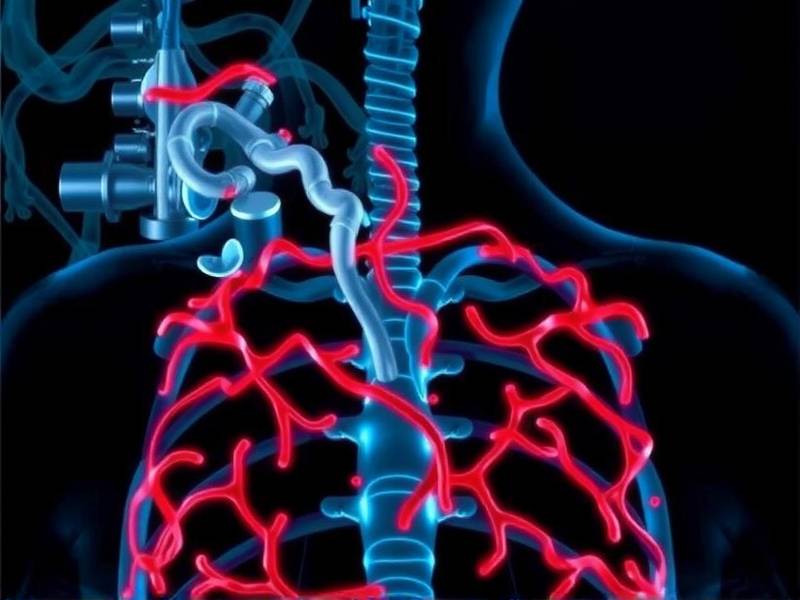
1. Reduced Inflammation
Quitting smoking reduces inflammation in the body, which helps in reversing some of the damage caused by smoking. This decrease in inflammation can lead to improved blood flow and a lower risk of heart disease.
2. Improved Endothelial Function
The endothelium is a thin layer of cells that line your blood vessels. Smoking damages these cells, but studies have shown that they can recover over time after quitting. Improved endothelial function means better blood flow and a lower risk of plaque formation.
3. Regression of Atherosclerosis
A study published in the Journal of the American College of Cardiology found that even within just one year of quitting smoking, there was evidence of regression of atherosclerosis in some individuals.
Timeframe for Healing
The timeframe for blood vessel healing varies from person to person, depending on factors like age, overall health, and how long they've been smoking. However, studies suggest that significant improvements can be seen within just one year:
- One Year: Significant improvements in endothelial function are observed.
- Five Years: The risk of heart disease decreases by about 50% compared to continuing smokers.
- Ten Years: The risk approaches that of someone who has never smoked.
Lifestyle Factors
While quitting smoking is crucial for blood vessel healing, other lifestyle factors also play a significant role:
- Regular Exercise: Increases circulation and promotes overall cardiovascular health.
- Balanced Diet: Nutrients like omega-3 fatty acids can help reduce inflammation.
- Avoiding Other Risk Factors: Like high cholesterol and high blood pressure.
Conclusion
Quitting smoking offers hope for those looking to improve their cardiovascular health by allowing their blood vessels to heal over time. While it's not an overnight process, the benefits are clear: reduced inflammation, improved endothelial function, and regression of atherosclerosis. So if you're considering quitting or have recently quit smoking, remember that your body is on its way to recovery with each passing day!