
How Quickly Do Lungs Clear After Quitting Smoking?
How Quickly Do Lungs Clear After Quitting Smoking?
The Journey to Healthier Lungs
Quitting smoking is a monumental decision that not only improves one's overall health but also significantly enhances lung function. Many smokers are curious about the timeline of lung recovery post-cessation. This article delves into how quickly lungs can clear after quitting smoking and the factors that influence this process.
Immediate Benefits
Upon quitting, your body begins to repair itself almost immediately. Within just 20 minutes, your heart rate and blood pressure start to decrease, and the carbon monoxide level in your blood drops to a normal level. These are early signs of improvement, but what about the lungs?
Week 1: The Start of Change
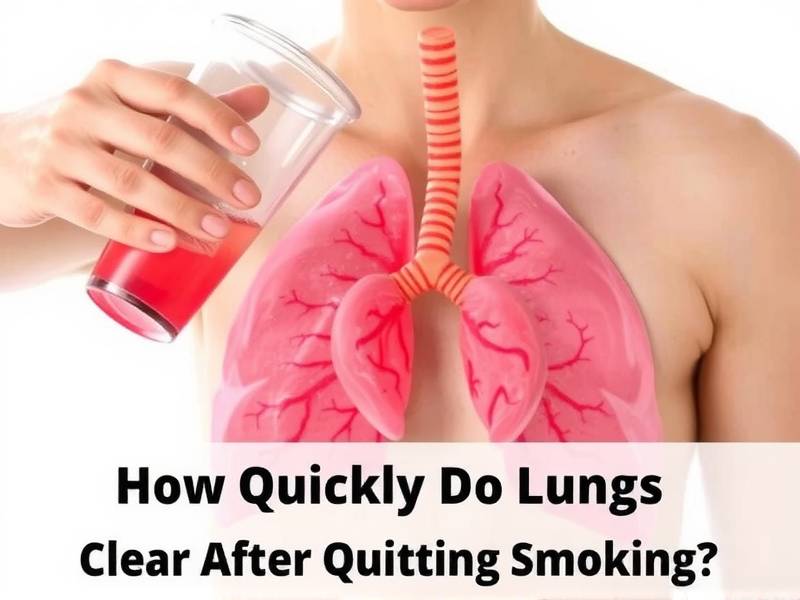
In the first week after quitting, you may notice a significant reduction in shortness of breath and coughing. This is because your lungs are starting to clear out mucus and other debris that have accumulated due to smoking. The cilia in your lungs, which help move mucus out, begin to regain their functionality.
Month 1-3: A Steady Improvement
Within one to three months, you'll likely experience a further reduction in coughing and shortness of breath. Your lung capacity may increase by as much as 10%. This is a substantial improvement that can make daily activities feel less taxing.
Year 1: Clearer Breathing
After one year of not smoking, your risk of coronary heart disease is cut in half compared to when you were smoking. Your lungs continue to clear out debris, and the cilia become more effective at removing mucus.
Year 5-10: Long-Term Recovery
Over the next five to ten years, your risk of cancer decreases significantly. Lung function continues to improve, and you may find yourself breathing easier during physical activities than before you quit.
Factors Influencing Lung Recovery
It's important to note that everyone's recovery process is different. Several factors can influence how quickly your lungs clear after quitting smoking:
- Duration of Smoking: The longer you smoked, the more damage has been done to your lungs.
- Amount Smoked: Heavy smokers will see improvements more slowly than those who smoked less frequently.
- Genetic Factors: Some individuals may recover faster due to genetic predispositions.
- Overall Health: Smokers with pre-existing respiratory conditions might experience slower recovery.
Conclusion
The journey towards healthier lungs after quitting smoking is both rewarding and unique for each individual. While there is no one-size-fits-all timeline for recovery, it's evident that the benefits of quitting are substantial and worth pursuing. Remember that every day without a cigarette brings you closer to improved lung health and overall well-being.