
How to Take Care of Your Lungs After Quitting Smoking: Effective Tips and Strategies
How to Take Care of Your Lungs After Quitting Smoking: Effective Tips and Strategies
Introduction: Quitting smoking is a significant step towards improving your health. However, the journey doesn't end there. Caring for your lungs post-quit is crucial to fully recover from the damage caused by years of smoking. In this article, we'll explore effective tips and strategies to help you nurture your lungs after quitting smoking.
1. Understanding Lung Recovery
What Happens After Quitting?
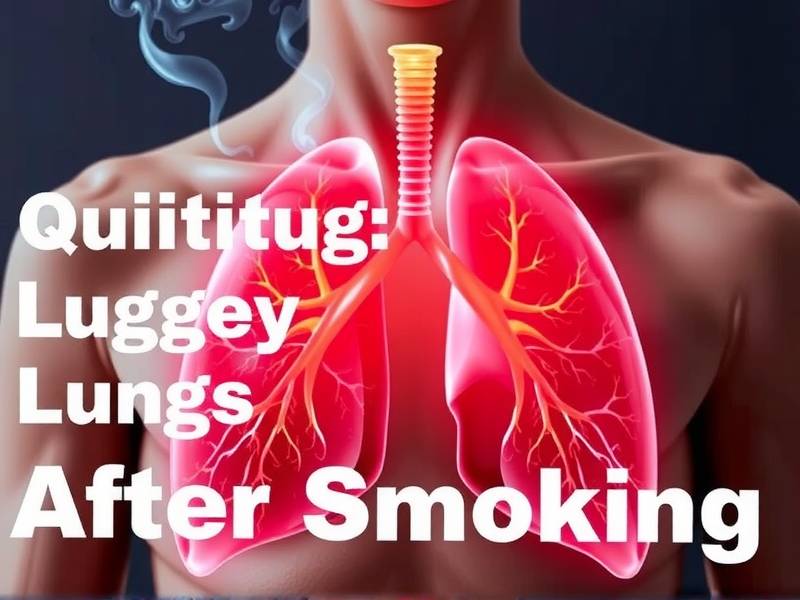
After you quit smoking, your body begins to heal almost immediately. The first few weeks are critical as your lungs start to clear out tar and other harmful substances. It's essential to understand this process to stay motivated and supportive of your lungs' recovery.
2. Increase Physical Activity
The Role of Exercise
Regular physical activity can significantly enhance lung function. Aerobic exercises like walking, running, or cycling can help improve oxygen flow and lung capacity over time.
Tips:
- Start slowly and gradually increase the intensity.
- Include different types of exercises for a well-rounded fitness routine.
3. Improve Indoor Air Quality
The Importance of Clean Air
Your home's air quality plays a vital role in lung health. Ensure that your living space is free from allergens, dust, mold, and secondhand smoke.
Strategies:
- Use air purifiers in rooms where you spend most of your time.
- Keep windows open for ventilation when possible.
4. Stay Hydrated
Water's Role in Lung Health
Drinking plenty of water helps keep mucus thin and easy to expel from the lungs. This is particularly important for smokers who have developed chronic bronchitis or emphysema.
Hydration Tips:
- Aim for at least eight glasses of water per day.
- Drink water throughout the day rather than all at once.
5. Avoid Exposure to Pollutants
Protecting Your Lungs
Air pollution can worsen lung conditions and delay recovery. Be mindful of high-pollution days and take steps to minimize exposure.
Precautions:
- Check air quality reports before going outside.
- Wear a mask if necessary when outdoors on poor air quality days.
6. Practice Deep Breathing Exercises
Breathing Techniques
Deep breathing exercises can help relax the diaphragm and increase lung capacity over time.
How To:
- Find a comfortable position.
- Inhale deeply through your nose, filling your lungs completely.
- Hold for a few seconds then exhale slowly through pursed lips.
7. Seek Professional Help if Needed
Consulting Healthcare Providers
If you experience persistent symptoms like coughing or shortness of breath after quitting, it's essential to consult with a healthcare professional for personalized advice and treatment options.
When To Seek Help:
- If symptoms persist beyond three months.
- If you have difficulty breathing or chest pain that doesn't go away.
Conclusion: Taking care of your lungs after quitting smoking is an ongoing process that requires patience and dedication. By incorporating these tips into your daily routine, you can support the healing process and improve your overall respiratory health significantly. Remember, every effort counts towards bettering your lung health post-quitting smoking!