
How to Quit Addiction to Smoking Heroin: Effective Strategies and Support
How to Quit Addiction to Smoking Heroin: Effective Strategies and Support
Introduction: Heroin addiction is a serious issue that affects millions of people worldwide. Quitting heroin can be a challenging process, but with the right strategies and support, it is possible to overcome this addiction. In this article, we will discuss effective strategies and support systems that can help individuals quit smoking heroin.
-
Understanding the Addiction: Before quitting, it's essential to understand the nature of heroin addiction. Heroin is an opioid drug that affects the brain's reward system, leading to intense cravings and withdrawal symptoms. Recognizing the signs of addiction can help individuals take the first step towards recovery.

-
Seek Professional Help: Quitting heroin without professional help can be dangerous and challenging. It is crucial to consult with healthcare professionals who specialize in addiction treatment. They can provide personalized advice, medication-assisted therapy (MAT), and counseling to increase the chances of successful recovery.
-
Medication-Assisted Therapy (MAT): MAT involves using medications such as methadone, buprenorphine, or naltrexone to reduce cravings and withdrawal symptoms. These medications have been proven effective in helping individuals manage their addiction and maintain sobriety.
-
Behavioral Therapy: Behavioral therapy plays a vital role in overcoming heroin addiction. It helps individuals develop coping skills, identify triggers for relapse, and develop healthier habits. Common forms of behavioral therapy include cognitive-behavioral therapy (CBT) and contingency management (CM).
-
Support Systems: Building a strong support system is crucial for long-term recovery from heroin addiction. This may include family members, friends, support groups, or peer mentors who have experienced similar challenges. Support groups like Narcotics Anonymous (NA) provide a safe space for individuals to share their experiences and receive encouragement.
-
Alternative Activities: Finding alternative activities to replace smoking heroin can be beneficial in maintaining sobriety. Engaging in hobbies, exercising regularly, joining social clubs or sports teams can help distract from cravings and promote a healthier lifestyle.
-
Mindfulness and Meditation: Mindfulness practices and meditation can help individuals manage stress, anxiety, and cravings associated with heroin addiction. By focusing on the present moment and developing self-awareness, individuals can gain control over their thoughts and emotions.
-
Setting Realistic Goals: Setting realistic goals is essential for staying motivated during the recovery process. Break down larger goals into smaller milestones that are achievable within specific timeframes.
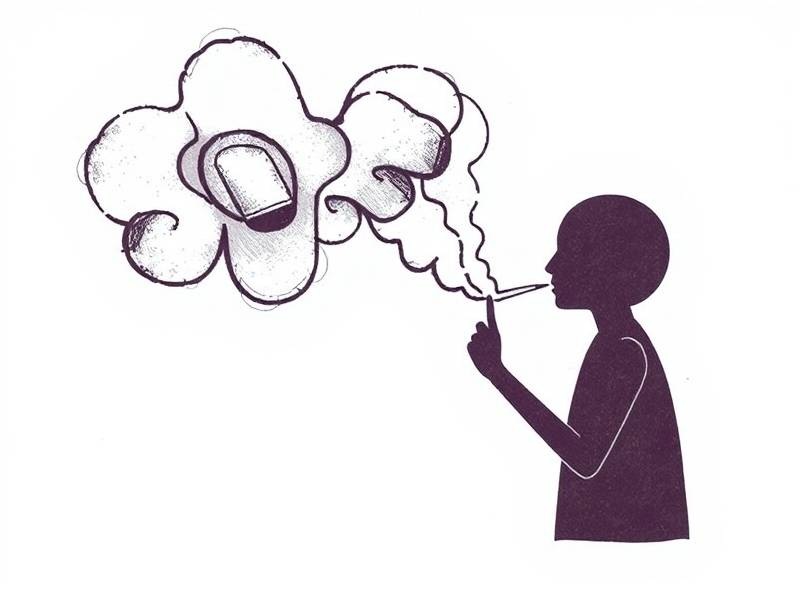
Conclusion: Quitting addiction to smoking heroin requires determination, support, and effective strategies. By seeking professional help, utilizing medication-assisted therapy, engaging in behavioral therapy, building a strong support system, adopting healthy habits, practicing mindfulness techniques, setting realistic goals, and staying committed to the journey of recovery – individuals can overcome their addiction to smoking heroin.
Remember that recovery is a unique process for each individual; it's important to stay patient with yourself throughout this journey towards sobriety.
(Note: This article was independently created without assistance from AI tools or copying/pasting content from external sources.)