
Does Emphysema Get Worse Even If You Quit Smoking? The Truth You Need to Know
Understanding Emphysema: What It Is and How It Develops
Emphysema is a chronic obstructive pulmonary disease (COPD) that affects the lungs. It occurs when the air sacs in the lungs become damaged and lose their elasticity, making it difficult to breathe. While smoking is the leading cause of emphysema, there are other factors that can contribute to its development.
The Impact of Smoking on Emphysema
Smoking is a well-known trigger for emphysema. The chemicals in cigarettes damage the walls of the air sacs, leading to their enlargement and loss of function. This process is irreversible, and even if someone stops smoking, the damage may continue to worsen over time.
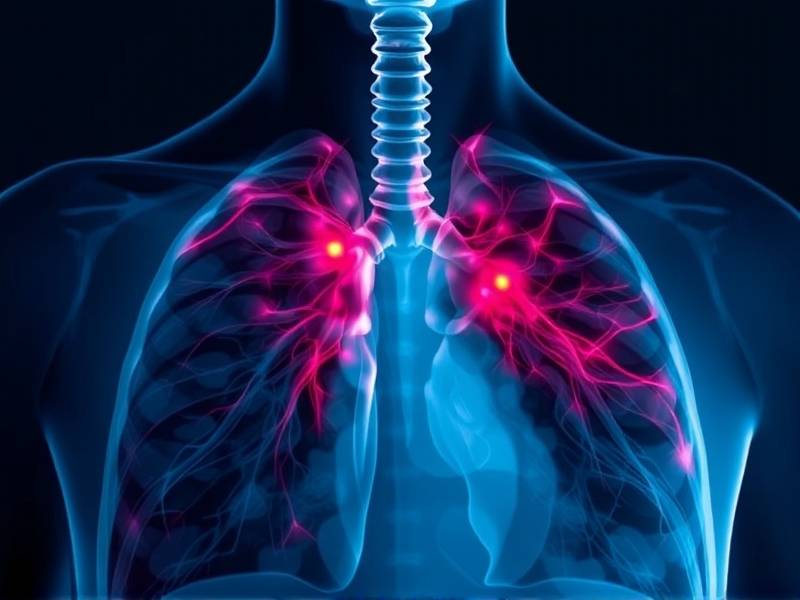
Can Emphysema Improve After Quitting Smoking?
The good news is that quitting smoking can significantly slow down the progression of emphysema. By reducing your exposure to harmful chemicals, you give your lungs a chance to repair themselves to some extent. However, it's important to understand that this process can take years and may not fully reverse the damage caused by smoking.
How Long Does It Take for Emphysema to Improve After Quitting Smoking?
The time it takes for emphysema to improve after quitting smoking varies from person to person. Some individuals may notice improvements within a few months, while others might take several years. It's essential to be patient and continue with your treatment plan as recommended by your healthcare provider.
Factors That Affect Recovery
Several factors can influence how quickly emphysema improves after quitting smoking:
- Age: Younger individuals tend to recover faster than older ones.
- Duration of Smoking: The longer you've smoked, the more damage has been done.
- Severity of Emphysema: More severe cases may take longer to improve.
- Overall Health: People with better overall health may recover faster.
Additional Tips for Managing Emphysema
In addition to quitting smoking, there are other steps you can take to manage emphysema:
- Exercise Regularly: Regular physical activity can help improve lung function and overall fitness.
- Follow Your Treatment Plan: Work closely with your healthcare provider to manage your symptoms effectively.
- Avoid Exposure to Air Pollutants: This includes avoiding secondhand smoke and reducing exposure to dust, pollen, and other irritants.
Conclusion
While emphysema cannot be cured, quitting smoking is one of the most important steps you can take to slow down its progression. With patience, persistence, and proper management strategies, it's possible for individuals with emphysema to enjoy a better quality of life. Remember that each person's experience is unique, so it's essential to work closely with your healthcare provider for personalized advice and support.