
How to Improve Lung Function After Quitting Smoking: Effective Strategies and Tips
Introduction
Quitting smoking is a significant step towards a healthier life. However, the journey doesn't end there. Many former smokers are eager to know how they can improve their lung function after years of烟草 exposure. This article delves into effective strategies and tips that can help you breathe easier and enjoy a better quality of life.
Understanding the Impact of Smoking on Lung Function
The Damage Done
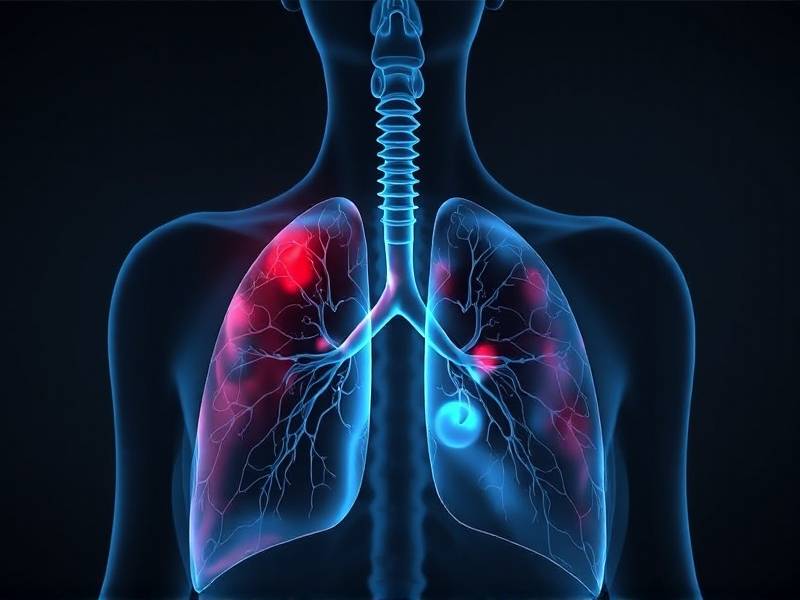
Smoking causes a host of issues in the lungs, including inflammation, reduced oxygen flow, and damage to the alveoli (the tiny air sacs in your lungs). These changes can lead to chronic respiratory diseases like COPD (Chronic Obstructive Pulmonary Disease) and increase the risk of lung cancer.
The Road to Recovery
The good news is that your lungs have an incredible capacity for repair and regeneration. By quitting smoking, you begin the process of reversing some of the damage immediately.
Effective Strategies for Improving Lung Function
1. Increase Physical Activity
Regular exercise strengthens your respiratory muscles and improves lung capacity. Activities like walking, swimming, or cycling are great for getting your lungs moving.
2. Practice Deep Breathing Exercises
Techniques such as diaphragmatic breathing can help increase lung capacity and improve oxygen intake.
3. Stay Hydrated
Drinking plenty of water helps keep your respiratory system moist and reduces mucus buildup in your lungs.
4. Avoid Exposure to Pollutants
Smog, dust, and other irritants can exacerbate lung issues. Try to minimize exposure by staying indoors on smoggy days or wearing masks when necessary.
5. Consider Pulmonary Rehabilitation Programs
These programs offer tailored exercise routines, education on breathing techniques, and support for managing symptoms related to lung disease.
Tips for a Healthier Lifestyle
1. Eat a Balanced Diet
A diet rich in fruits, vegetables, lean proteins, whole grains, and healthy fats can support overall lung health.
2. Limit Alcohol Consumption
Excessive alcohol intake can worsen lung conditions and impair recovery from smoking cessation.
3. Get Regular Check-ups
Regular medical check-ups can help monitor your lung function over time and identify any potential issues early.
The Role of Mindfulness
Managing Stress
Stress can exacerbate symptoms of respiratory conditions. Practices like meditation or yoga can help manage stress levels and promote relaxation.
Conclusion
Improving lung function after quitting smoking is a gradual process that requires patience and commitment. By adopting these strategies and tips into your daily routine, you're taking significant steps towards healthier lungs and a better quality of life. Remember, every breath counts—start today!