
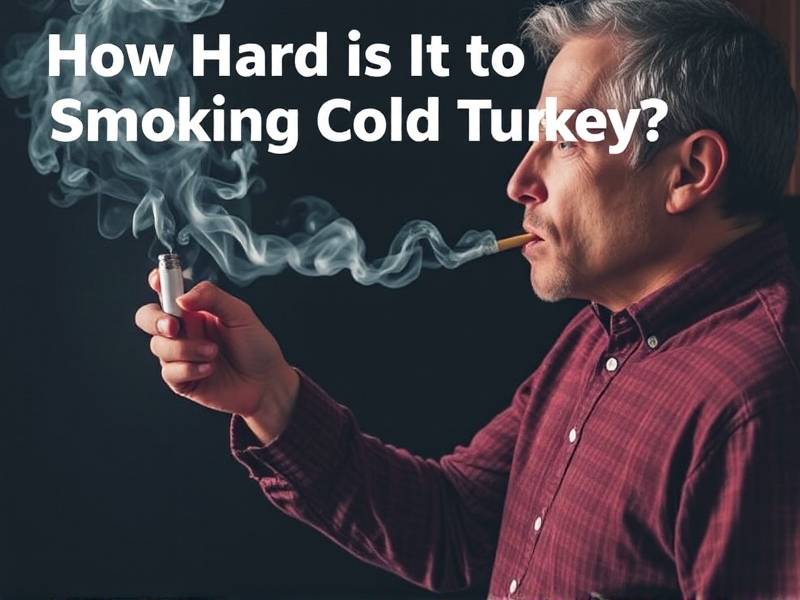
How Hard Is It to Quit Smoking Cold Turkey?
Understanding the Challenge
Quitting smoking cold turkey is often perceived as a daunting task. This approach involves stopping smoking abruptly without any form of nicotine replacement therapy (NRT) or other support systems. Many people wonder, how hard is it really to quit smoking this way? Let's delve into the complexities and strategies involved.
The Science Behind Nicotine Addiction
Nicotine, the primary addictive substance in tobacco, affects the brain's reward system. It triggers the release of dopamine, a neurotransmitter associated with pleasure and satisfaction. Over time, this creates a physical and psychological dependence on nicotine. When trying to quit cold turkey, individuals face the challenge of overcoming both these aspects.
Common Challenges Faced During Cold Turkey Quitting
Physical Symptoms
One of the most immediate challenges is dealing with withdrawal symptoms. These may include:
- Cravings
- Irritability
- Headaches
- Insomnia
- Increased appetite
These symptoms can be quite intense and can last for several weeks or even months.
Psychological Factors
Psychological factors also play a significant role in quitting smoking cold turkey. Some common challenges include:
- Stress: Many smokers turn to cigarettes as a way to cope with stress.
- Habit: Smoking becomes an ingrained habit that can be difficult to break.
- Social Pressure: Peer pressure or social situations might make it harder to resist the urge to smoke.
Strategies for Cold Turkey Success
Despite the challenges, many people successfully quit smoking cold turkey. Here are some strategies that can increase your chances of success:
Prepare Yourself Mentally
Before attempting to quit, prepare yourself mentally for the journey ahead. Understand that it will be challenging but not impossible.
Develop a Support System
Surround yourself with supportive friends, family members, or colleagues who will encourage you throughout your journey.
Identify Triggers and Develop Coping Strategies
Identify situations or emotions that trigger your urge to smoke and develop alternative coping strategies such as exercise, deep breathing exercises, or engaging in a hobby.
Track Your Progress
Keep a journal or use an app to track your progress and celebrate small victories along the way.
Seek Professional Help if Needed
If you find it challenging to quit on your own, consider seeking professional help from a therapist or counselor specializing in addiction treatment.
Conclusion
Quitting smoking cold turkey is undoubtedly challenging but not impossible. By understanding the science behind nicotine addiction, preparing yourself mentally, developing coping strategies, and seeking professional help if needed, you can increase your chances of success. Remember that every attempt is progress; even if you relapse, don't give up – try again until you achieve your goal of becoming smoke-free.