
Can Lungs Really Be Cleaned After Quitting Smoking?
Can Lungs Really Be Cleaned After Quitting Smoking? A Journey to Breathe Freshly
Introduction: The question of whether lungs can be cleaned after quitting smoking is a common concern among smokers contemplating the decision to quit. The human body has an incredible ability to heal and regenerate, but can it truly reverse the damage caused by years of smoking? In this article, we will explore the potential for lung regeneration and the journey towards healthier lungs post-cessation.
I. The Damage Caused by Smoking Smoking is a leading cause of lung disease, including chronic obstructive pulmonary disease (COPD), emphysema, and lung cancer. The harmful chemicals in cigarettes cause inflammation and damage to the delicate structures within the lungs.
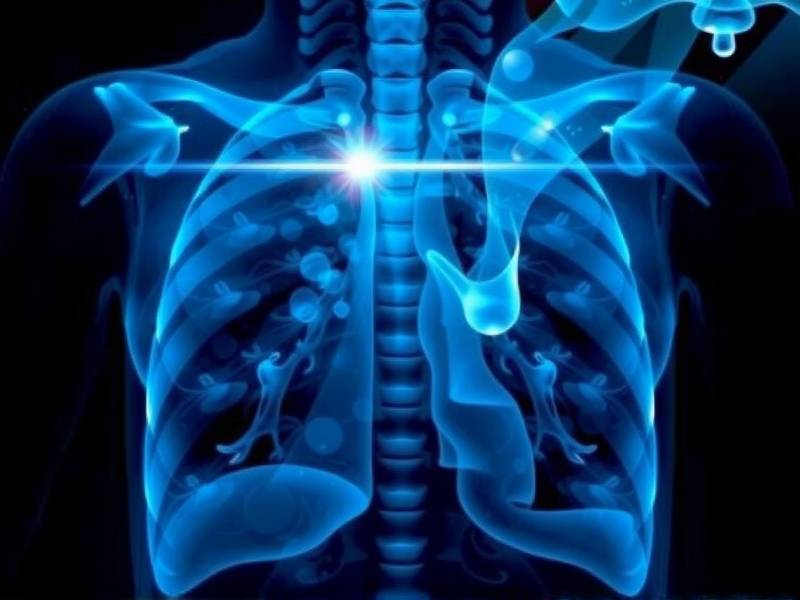
II. The Body's Healing Process When a person stops smoking, their body begins to heal itself. The rate at which this healing occurs varies from person to person, but several positive changes can be observed:
A. Decreased Inflammation Within hours of quitting smoking, inflammation in the lungs starts to decrease. This is crucial for reducing the risk of developing chronic lung diseases.
B. Improved Oxygen Supply After several weeks of not smoking, blood vessels begin to repair themselves, leading to improved oxygen supply throughout the body, including the lungs.
C. Enhanced Cilia Function Cilia are tiny hair-like structures that line the respiratory tract and help remove mucus and debris from the lungs. Quitting smoking allows these cilia to function more effectively, reducing mucus production and improving overall lung health.
III. Lung Regeneration: Fact or Myth? While some individuals may experience improvements in their lung function after quitting smoking, it is important to understand that complete regeneration is unlikely due to the extensive damage caused by long-term smoking.
A. Scar Tissue Formation Smoking leads to scar tissue formation in the lungs, which can impair breathing capacity and make it challenging for new tissue to grow.
B. Genetic Factors Research indicates that some individuals may have a genetic predisposition that makes it harder for them to regenerate lung tissue after quitting smoking.
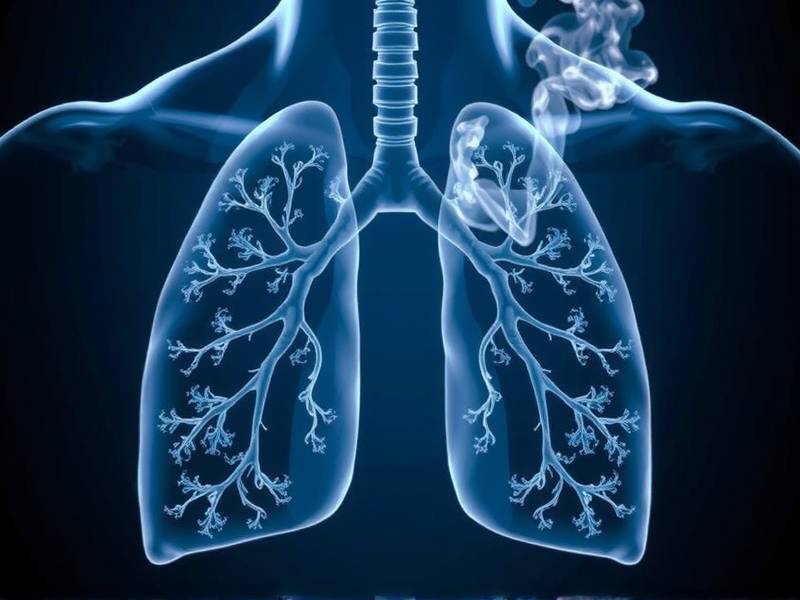
IV. Tips for Improving Lung Health After Quitting Smoking To maximize lung health after quitting smoking:
A. Maintain a Healthy Lifestyle Eating a balanced diet rich in fruits and vegetables can provide essential nutrients that support lung health.
B. Exercise Regularly Regular physical activity helps improve overall fitness and promotes better lung function.
C. Avoid Secondhand Smoke Exposure to secondhand smoke can exacerbate lung damage, so it's important to avoid environments where others are smoking.
Conclusion: While complete regeneration of damaged lungs after quitting smoking may not be possible for everyone, there is hope for significant improvement in lung health over time. By adopting a healthy lifestyle and avoiding harmful substances like tobacco smoke, individuals who have quit can take steps towards breathing easier and living healthier lives.