
Do You Cough a Lot When You Quit Smoking? The Truth About Lung Health After Quitting Tobacco
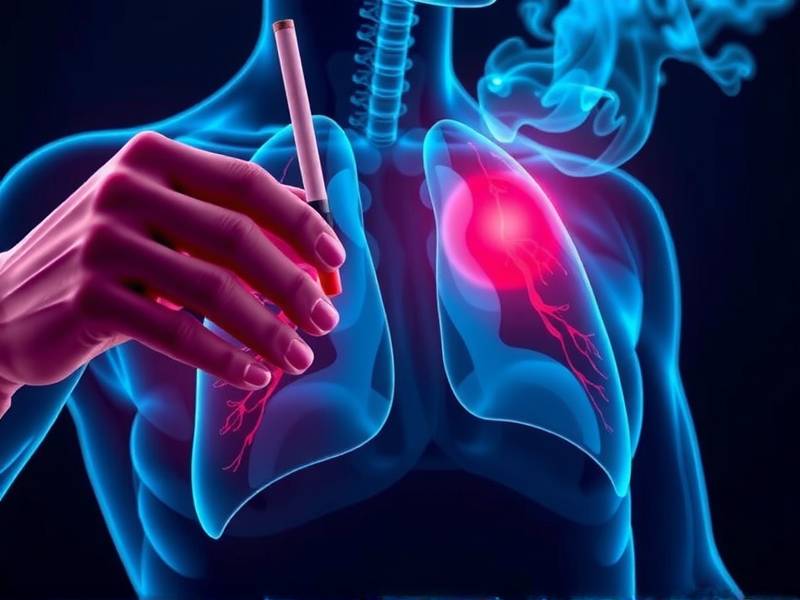
Introduction: The Common Dilemma of Quitters
When it comes to quitting smoking, one of the most common symptoms reported is a persistent cough. This can be quite disconcerting for those who are trying to break free from the clutches of tobacco. But what does this cough really mean for your lung health? Let's delve into the truth behind this phenomenon.
Understanding the Cough: A Sign of Healing
Contrary to popular belief, the cough you experience after quitting smoking is not a sign of lung damage, but rather a sign that your body is healing. The lining of your lungs, which has been damaged by smoke for years, starts to repair itself once you stop smoking. This repair process can sometimes trigger an increase in mucus production and irritation, leading to a more noticeable cough.
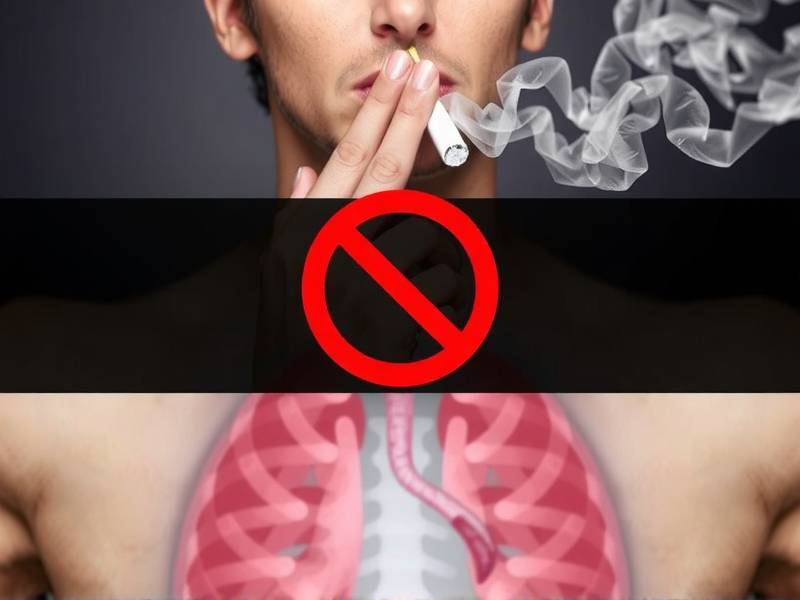
The Science Behind It
According to the American Lung Association, the body begins to heal almost immediately after you quit smoking. Carbon monoxide levels drop within hours, and within weeks, your heart rate and blood pressure start to normalize. Over time, your lungs will continue to clear out tar and other harmful substances that have accumulated over the years.
How Long Does It Last?
The duration of this cough can vary from person to person. Some may experience it for just a few weeks, while others might find it persists for several months. It's important to remember that this is a temporary phase and part of the recovery process.
What Can You Do?
If you're struggling with a persistent cough after quitting smoking, here are some tips that might help:
- Stay Hydrated: Drinking plenty of fluids can help thin mucus and make it easier to cough up.
- Steam Therapy: Inhaling steam can help soothe your throat and lungs.
- Gargle with Salt Water: This can help reduce inflammation in your throat.
- Avoid Irritants: Stay away from secondhand smoke and other air pollutants that can exacerbate symptoms.
Long-Term Benefits
While dealing with a cough after quitting smoking might be challenging, it's important to keep in mind the long-term benefits of quitting. Your lungs will continue to improve over time, reducing your risk of respiratory diseases such as COPD (Chronic Obstructive Pulmonary Disease) and lung cancer.
Conclusion: Embrace the Healing Process
The truth about lung health after quitting tobacco is that it takes time for your body to heal. Embrace this healing process by staying hydrated, avoiding irritants, and being patient with yourself as you transition away from smoking. Remember, every day without tobacco is a step towards better health.
By understanding what's happening in your body and taking proactive steps towards recovery, you'll not only alleviate symptoms but also set yourself on a path towards improved lung function and overall well-being.